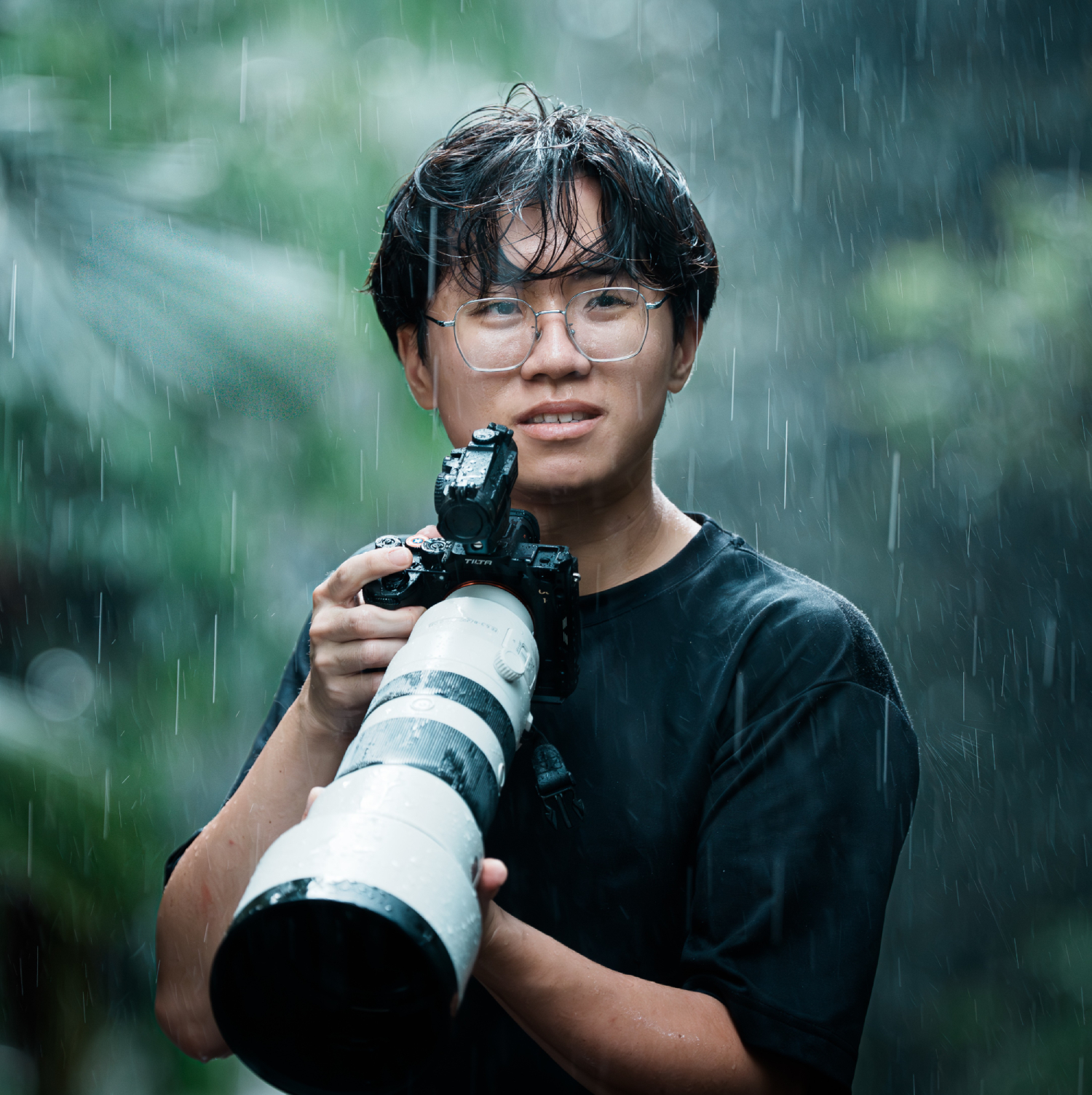


In bird photography, the right reach can make all the difference. For Tan Lu San, a bird photographer in Singapore, choosing a super-telephoto zoom is about balancing reach, mobility and creative expressions for how and where he shoots. Here, he shares what he enjoys about each Sony zoom lens and when he would use it.
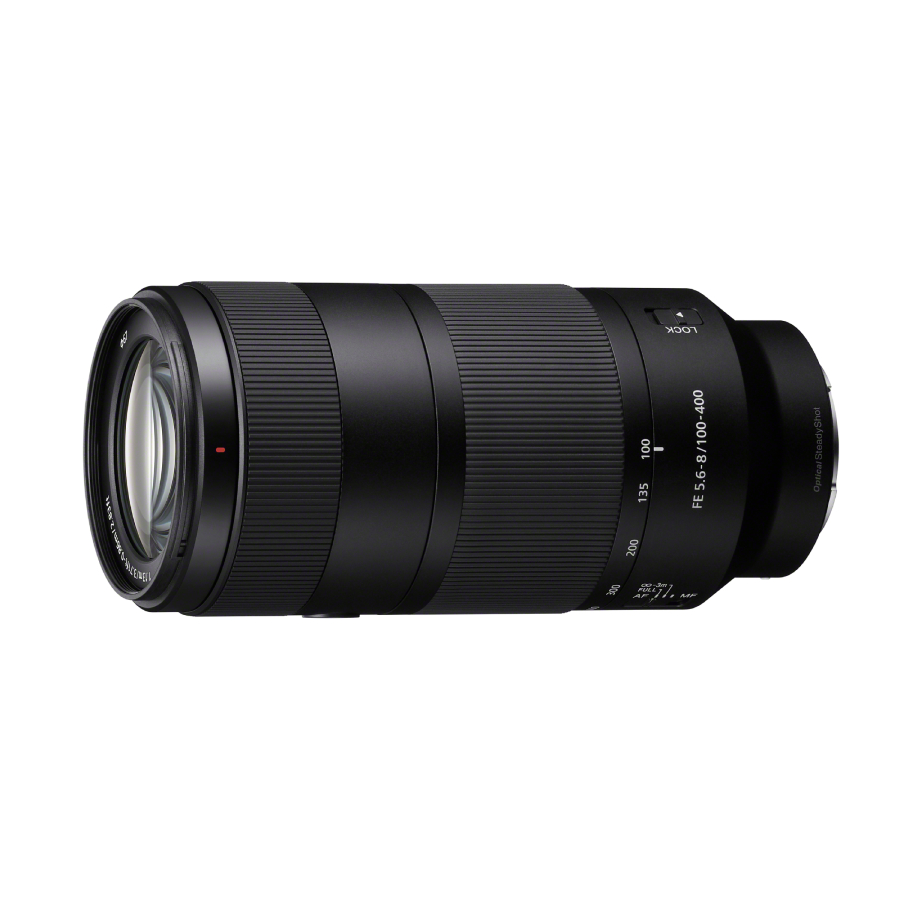
FE 100-400mm F5.6-8 OSS: Mobility Meets Versatility
When travelling light matters, Lu San turns to the FE 100-400mm F5.6-8 OSS. At just 654g, its versatile 100-400mm range makes it easy to carry for long outings, travel and occasions where birding is just part of the day's photography.
Alpha 7V | FE 100-400mm F5.6-8 OSS| 400mm | F8 | 1/3200s | ISO 1250
"When I want to travel really light but still have the reach to react to different wildlife encounters, Sony’s 100-400mm F5.6-8 is a lens I can rely on. The 100-400mm range is really great for photographing larger birds such as raptors where 400-800mm may be too tight."
FE 100-400mm F4.5 GM OSS: Precision Meets Versatility
When image quality and responsiveness matter, Lu San looks to the FE 100-400mm F4.5 GM OSS. Its bright aperture, G Master resolution and beautifully rendered bokeh bring out fine detail while helping subjects stand out against naturally softened backgrounds. Coupled with XD linear motors, it combines premium performance with the versatility of a 100-400mm zoom.

Alpha 1 ii | FE 100-400mm F4.5 GM OSS | 240mm | F4.5 | 1/3200s | ISO 8000
"The 100-400mm F4.5 G Master lens gives me the versatility I want, but with the image quality and responsiveness I need when every detail and moment matters."
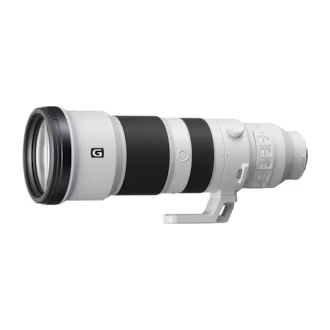
FE 200-600mm F5.6-6.3 G OSS: The Birding All-Rounder
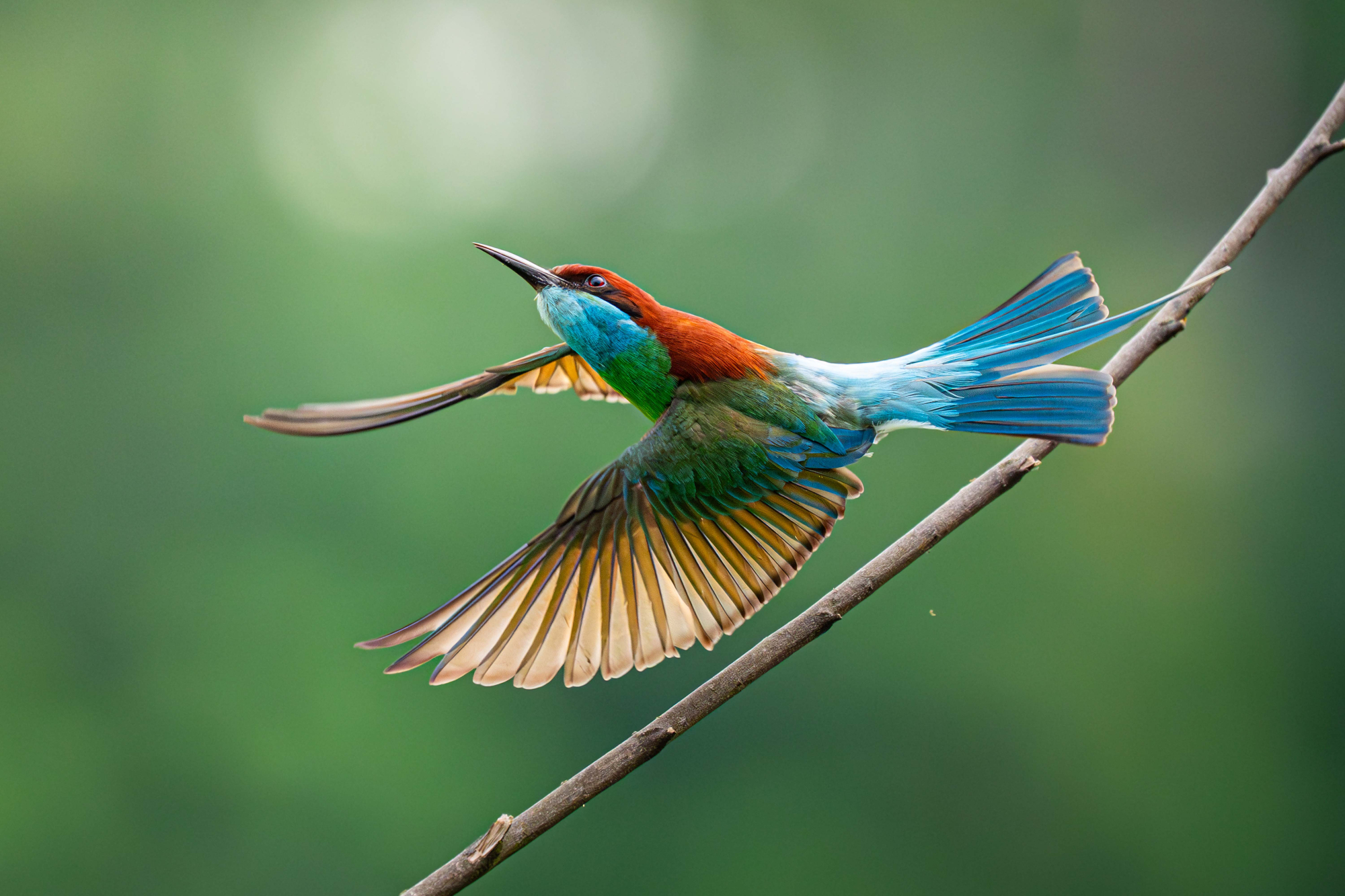
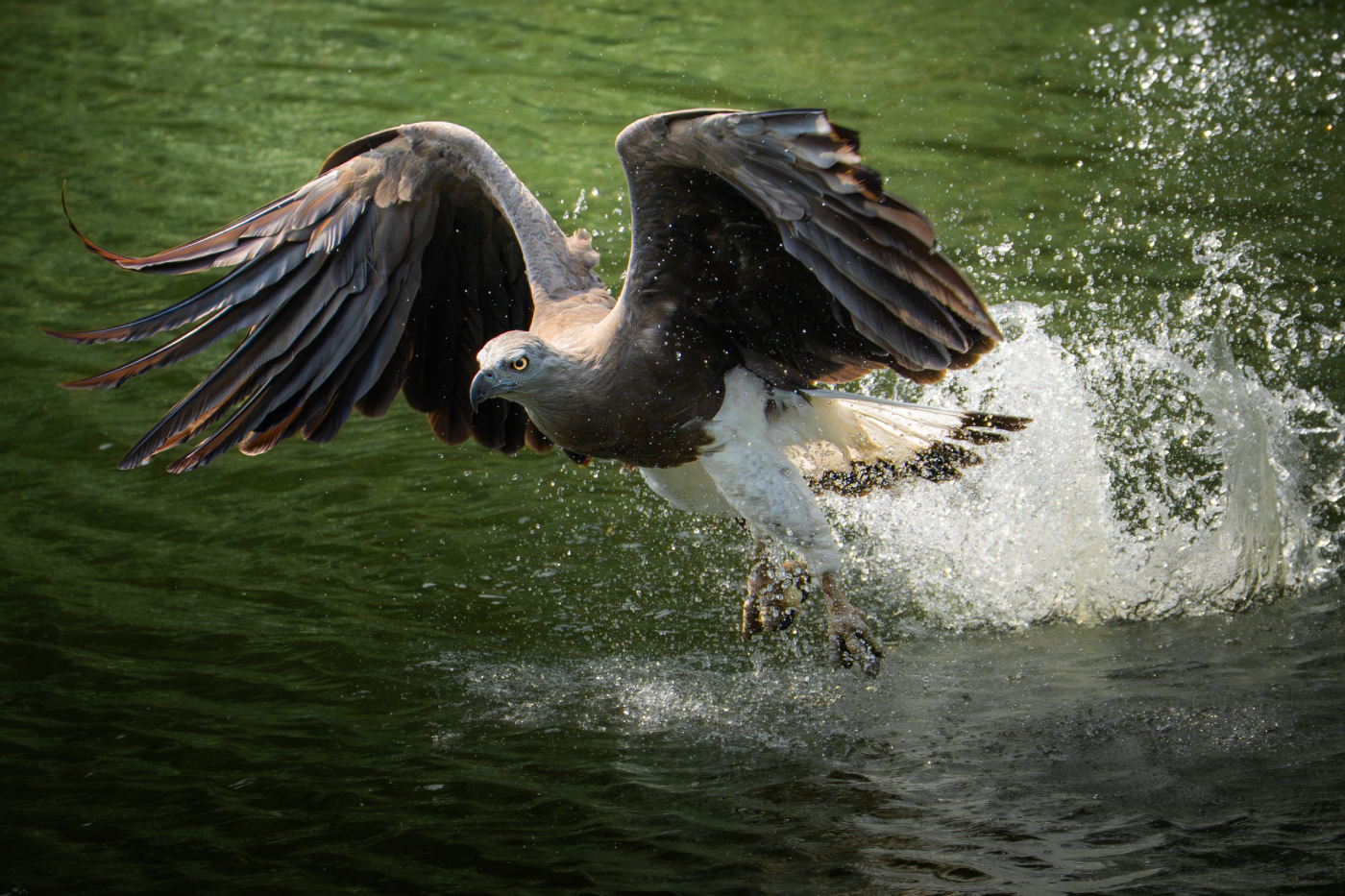
For dedicated birding trips, the FE 200-600mm F5.6-6.3 G OSS is often Lu San's go-to choice. Its additional reach suits smaller or more distant birds, while the flexible zoom lets him quickly reframe as subjects move from perched moments to sudden flight.

Alpha 9 III | FE 200-600mm F5.6-6.3 G OSS | 600mm | F6.3 | 1/3200s | ISO 6400
"The 200-600mm gives me the reach I need for most birding situations while still giving me the flexibility to react when the moment changes."
FE 400-800mm F6.3-8 G OSS: When Distance Defines the Shot
For distant shorebirds, elusive species and subjects across open habitats, the FE 400-800mm F6.3-8 G OSS opens up new possibilities. Its 800mm reach helps Lu San frame subjects that may otherwise remain small and distant.

Alpha 1 | FE 400-800mm F6.3-8 G OSS | 800mm | F8 | 1/4000s | ISO 2000
"There are birds you simply can't get closer to. Having 800mm gives me another way to capture those encounters without having to approach the subject."
So, Which Lens Should You Start With?
For a first super-telephoto zoom, Lu San recommends starting with the FE 100-400mm F5.6-8 OSS or FE 200-600mm F5.6-6.3 G OSS.
Choose the 100-400mm if portability and versatility across travel, wildlife and bird photography matter most. For photographers primarily focused on birding, especially smaller or more distant subjects, the 200-600mm G provides additional native reach while retaining zoom flexibility.
As your interests and birding skills evolve, so can your kit, from adding a teleconverter for extra reach to stepping up to the FE 100-400mm F4.5 GM OSS or FE 400-800mm F6.3-8 G OSS for new creative possibilities.
"Finding the right reach isn't always about going the longest. Start with the lens that fits how you shoot, where you go, and the kind of birding moments you want to capture."