


Macro photography opens a world of intricate details and stunning visuals that often go unnoticed by the naked eye. From the delicate wings of a butterfly to the complex patterns on a leaf, successful macro photography requires patience, technical control, and thoughtful creative choices. The following tips will help you refine your approach and elevate your macro images.
1. Capturing Sharp Macro Images
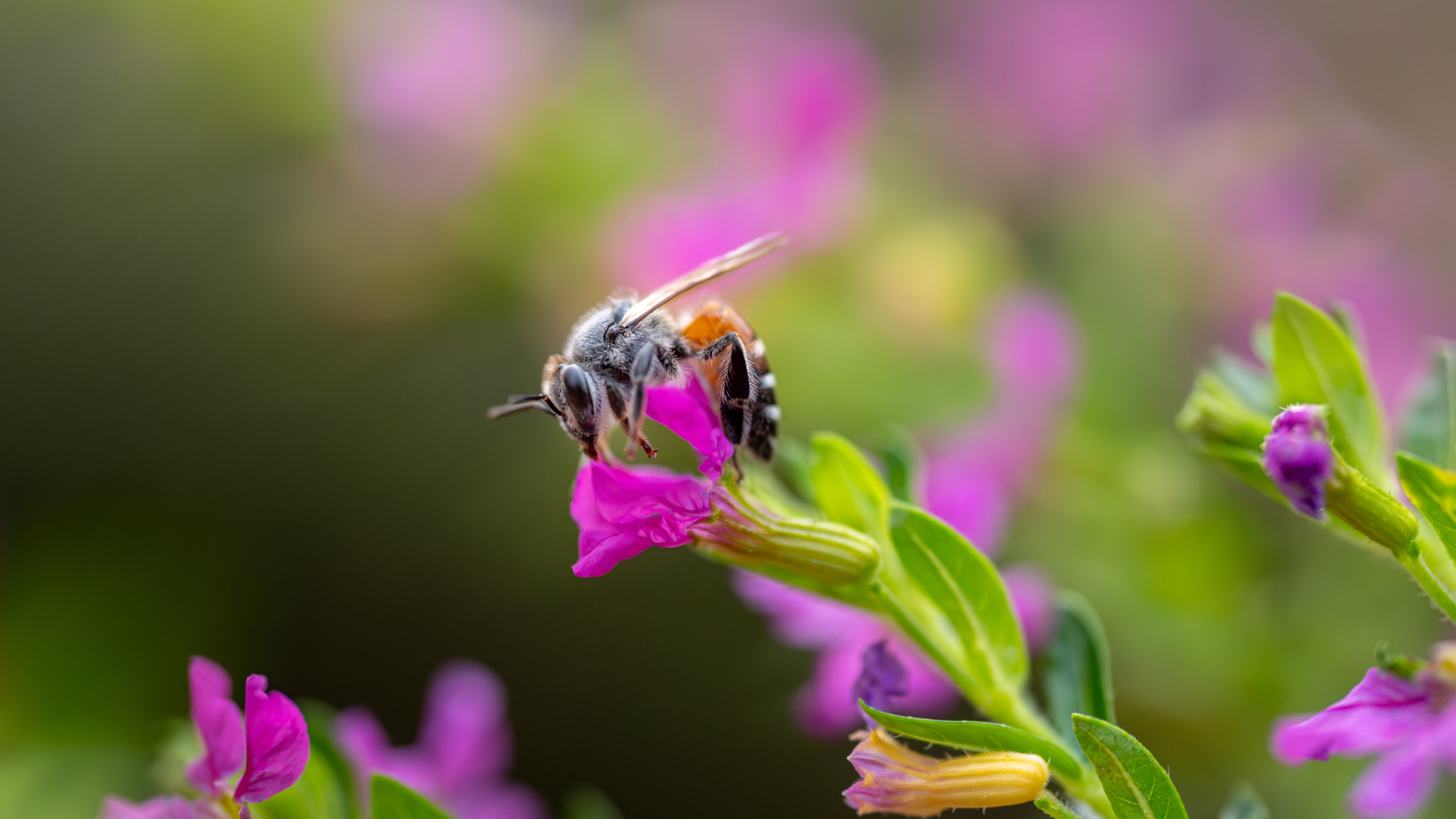
Macro photography is all about revealing delicate details. Lenses with higher magnification allow you to capture intricate textures and micro‑details with clarity. However, increased magnification comes with a significant challenge: an extremely shallow depth of field.
At life size (1:1) magnification, depth of field can be less than 0.5 mm at wider apertures, making precise focus essential. To maximize sharpness across your subject, consider the following techniques:
- Control depth of field by selecting an aperture that balances optical sharpness with your creative intent. Moderate apertures often provide the best compromise between detail and diffraction.

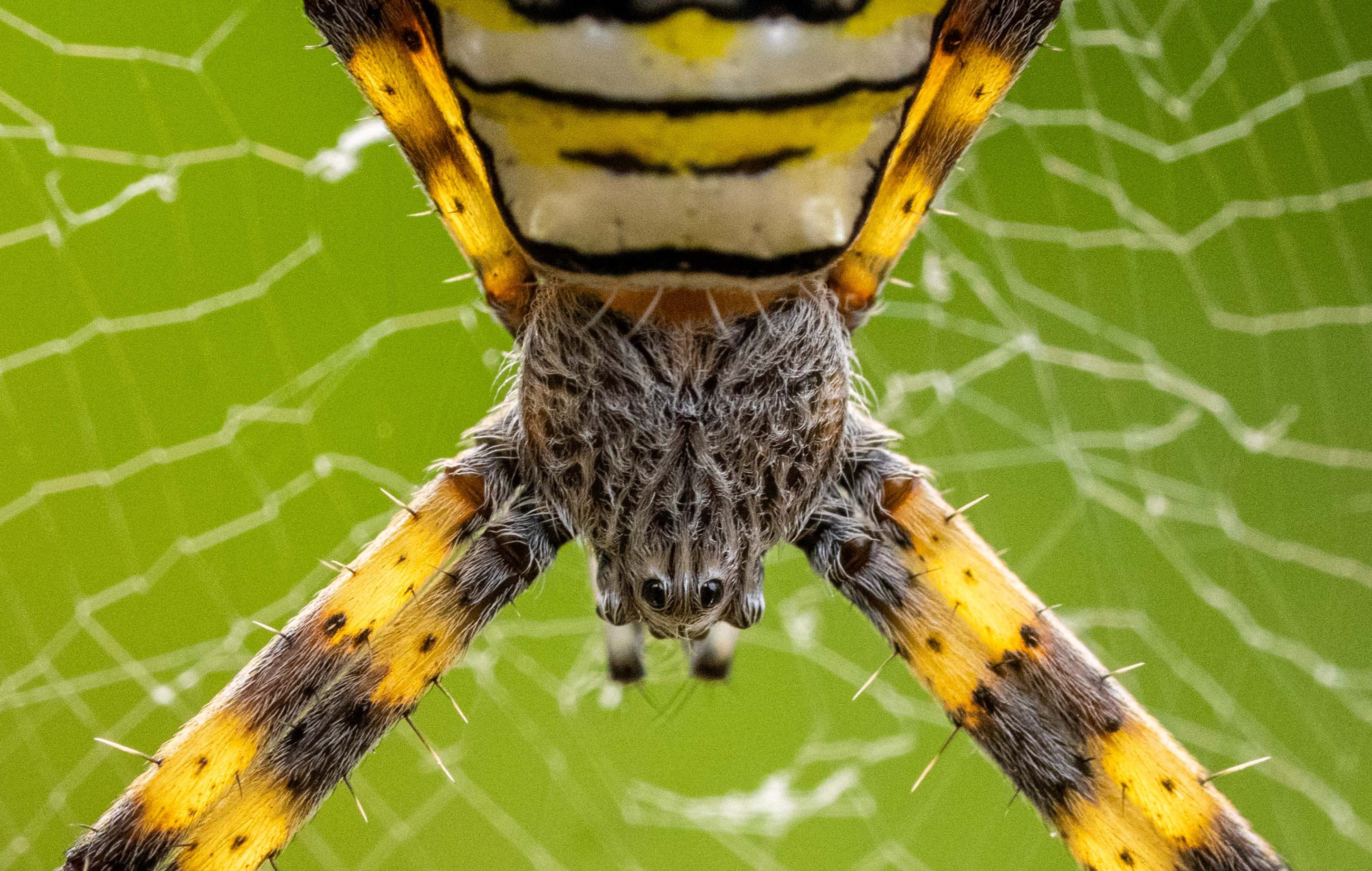
- Keep camera parallel to the subject, to ensure entire subject lies within the plane of focus.
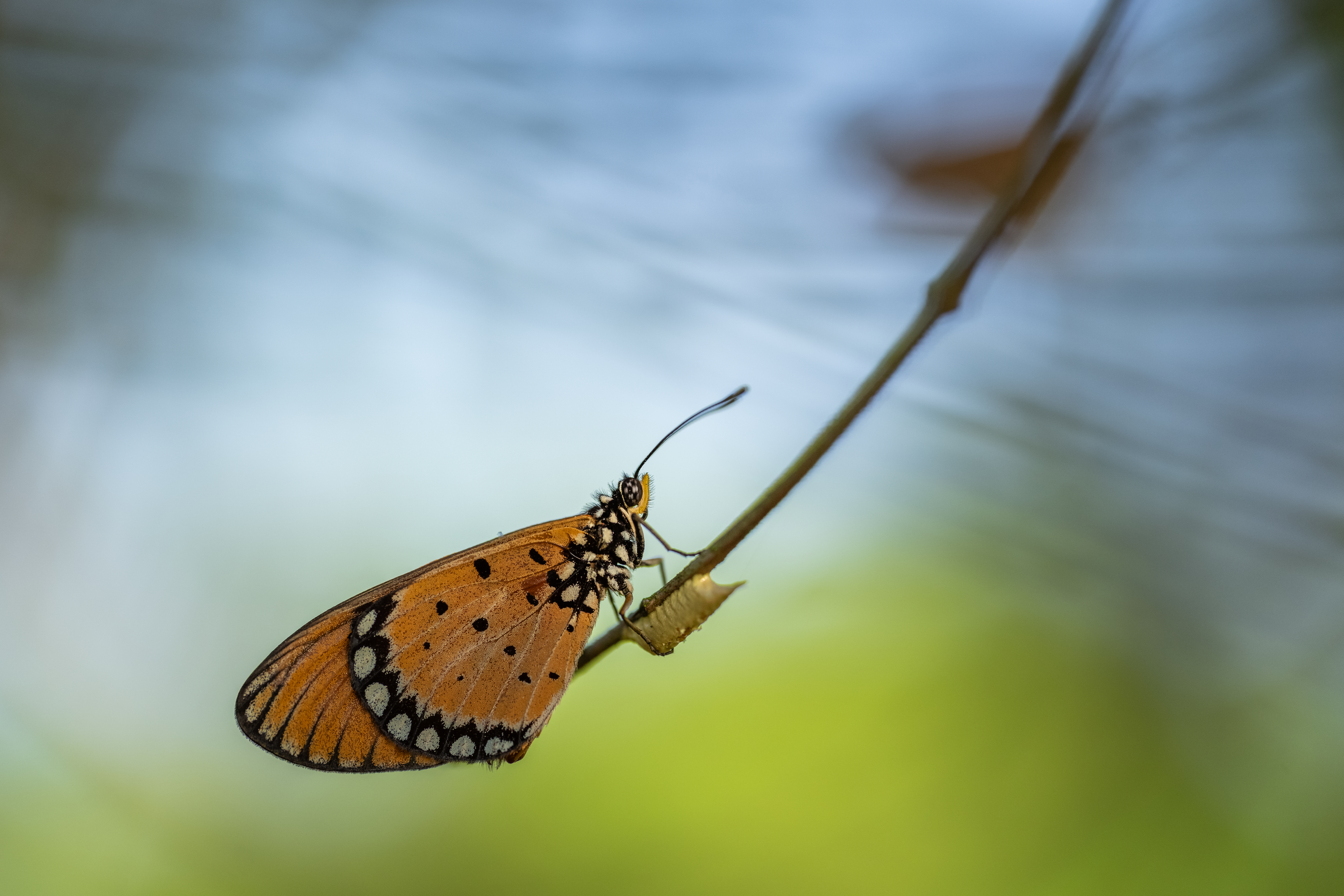
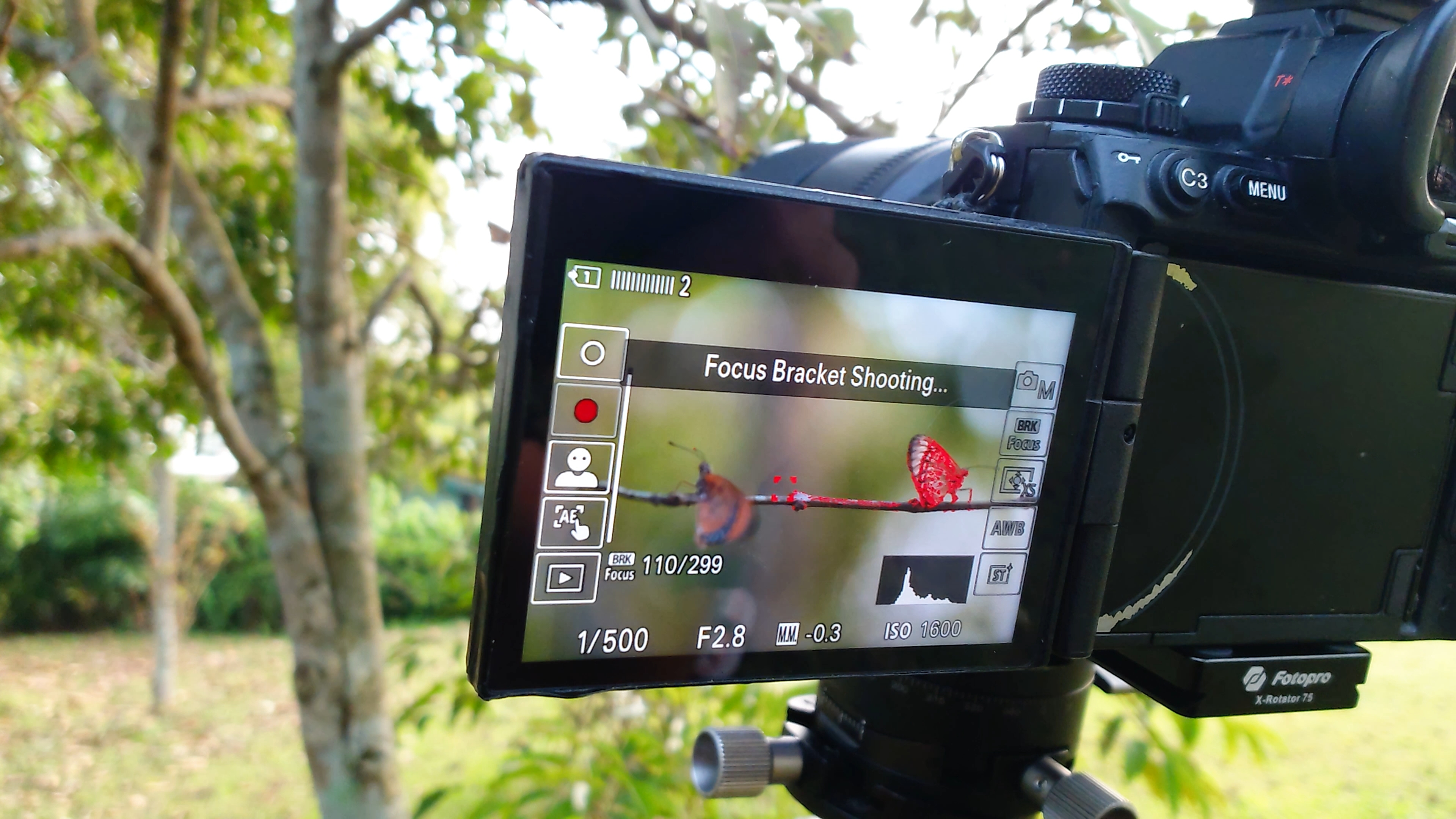
- Use focus bracketing & stacking with compatible camera bodies when maximum detail is required. This technique involves capturing multiple images at different focus distances and merging them in post‑processing to achieve greater overall sharpness across the subject.
2. Play with Perspective
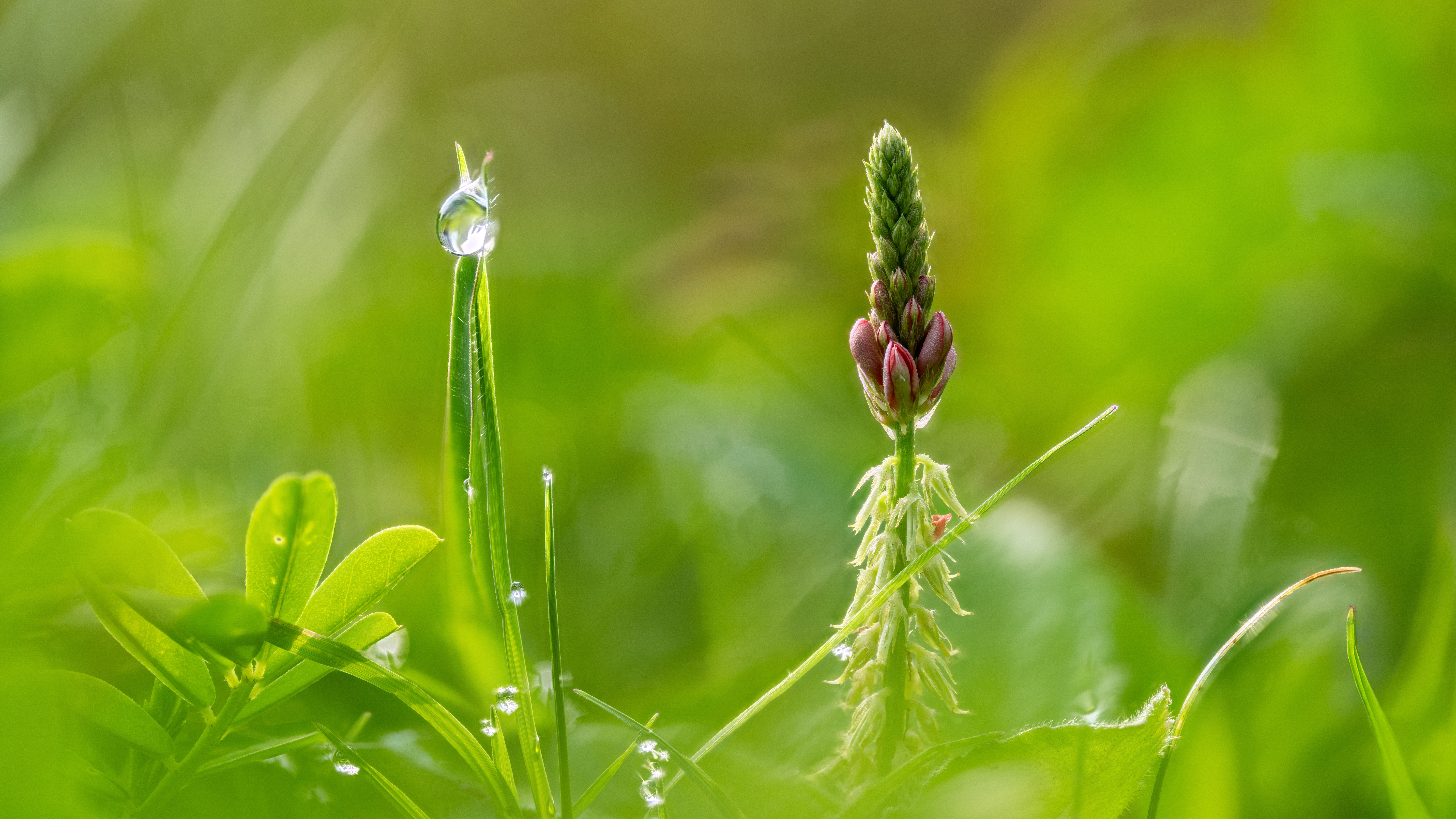
Perspectives play a powerful role in macro photography. As you are working at very close distances, even small changes in camera angle can dramatically affect composition and mood.
Experiment with eye-level, side-on, or backlit angles to add depth and visual interest.
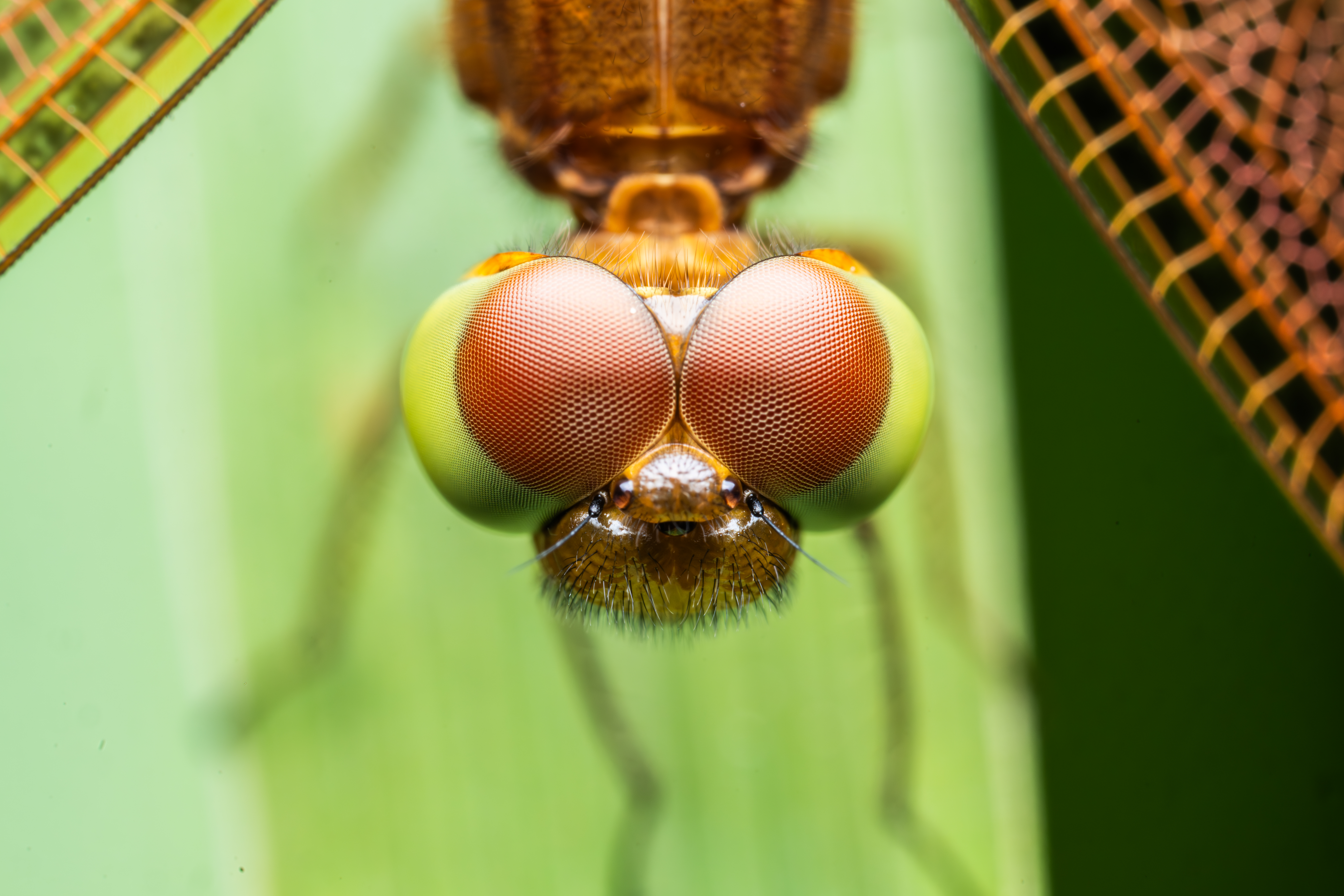

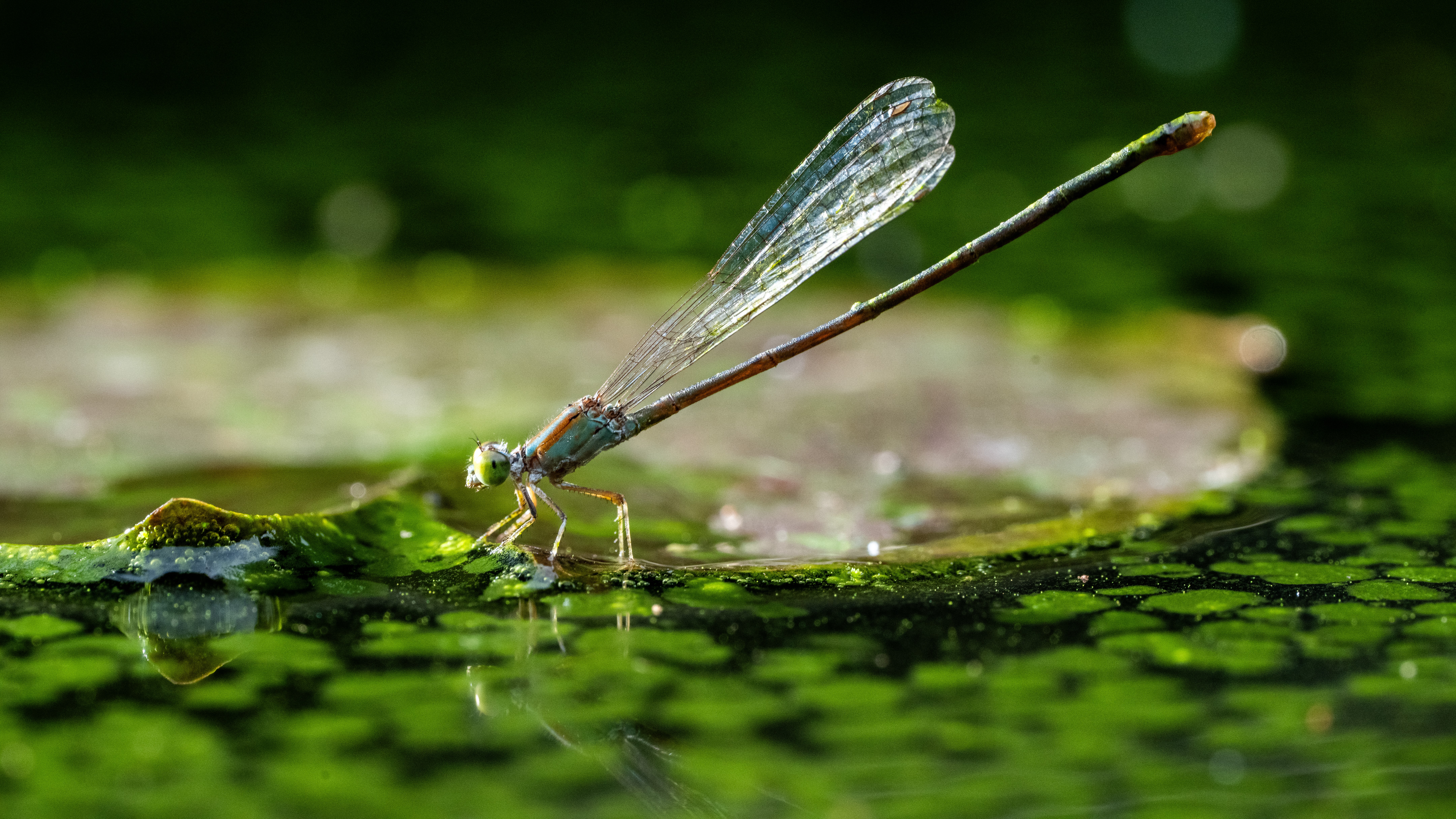
Keep the camera parallel to your subject when possible, to maintain focus across critical details, such as an insect's eyes and wings.
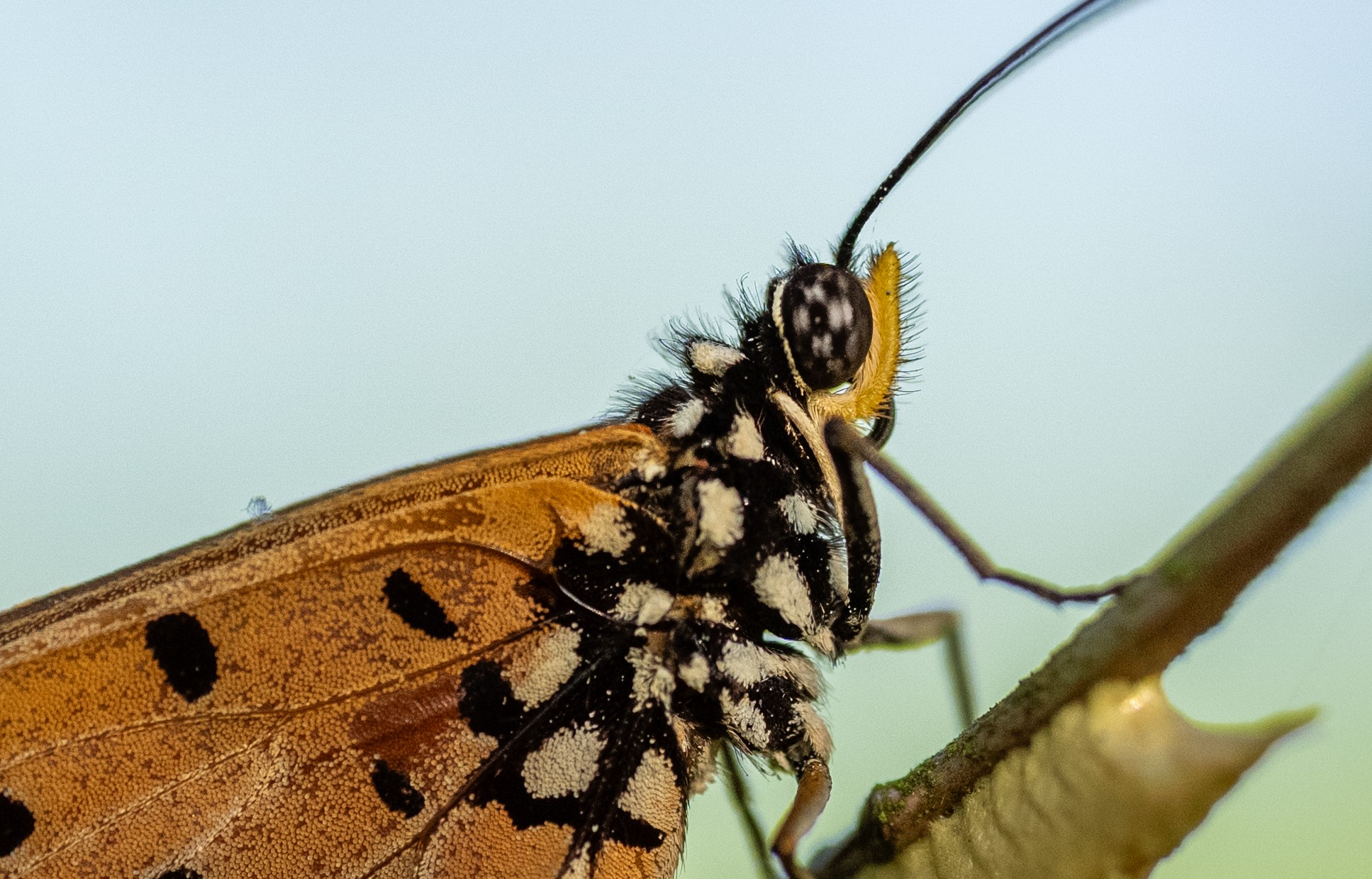
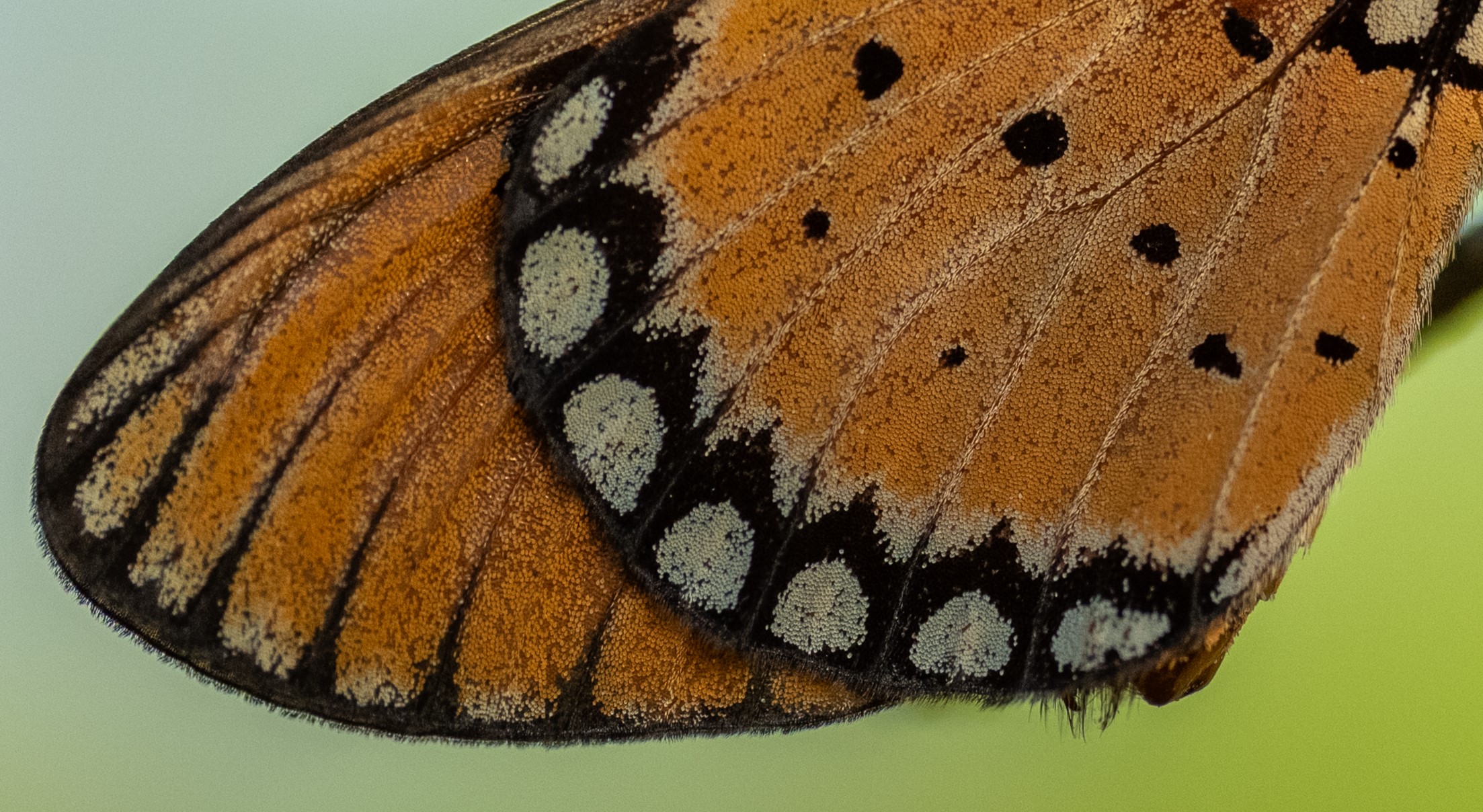
Adjust your position to create background separation, ensuring your subject stands out clearly.

A thoughtful perspective transforms a technically good image into a visually engaging one.
3. Focus on what matters
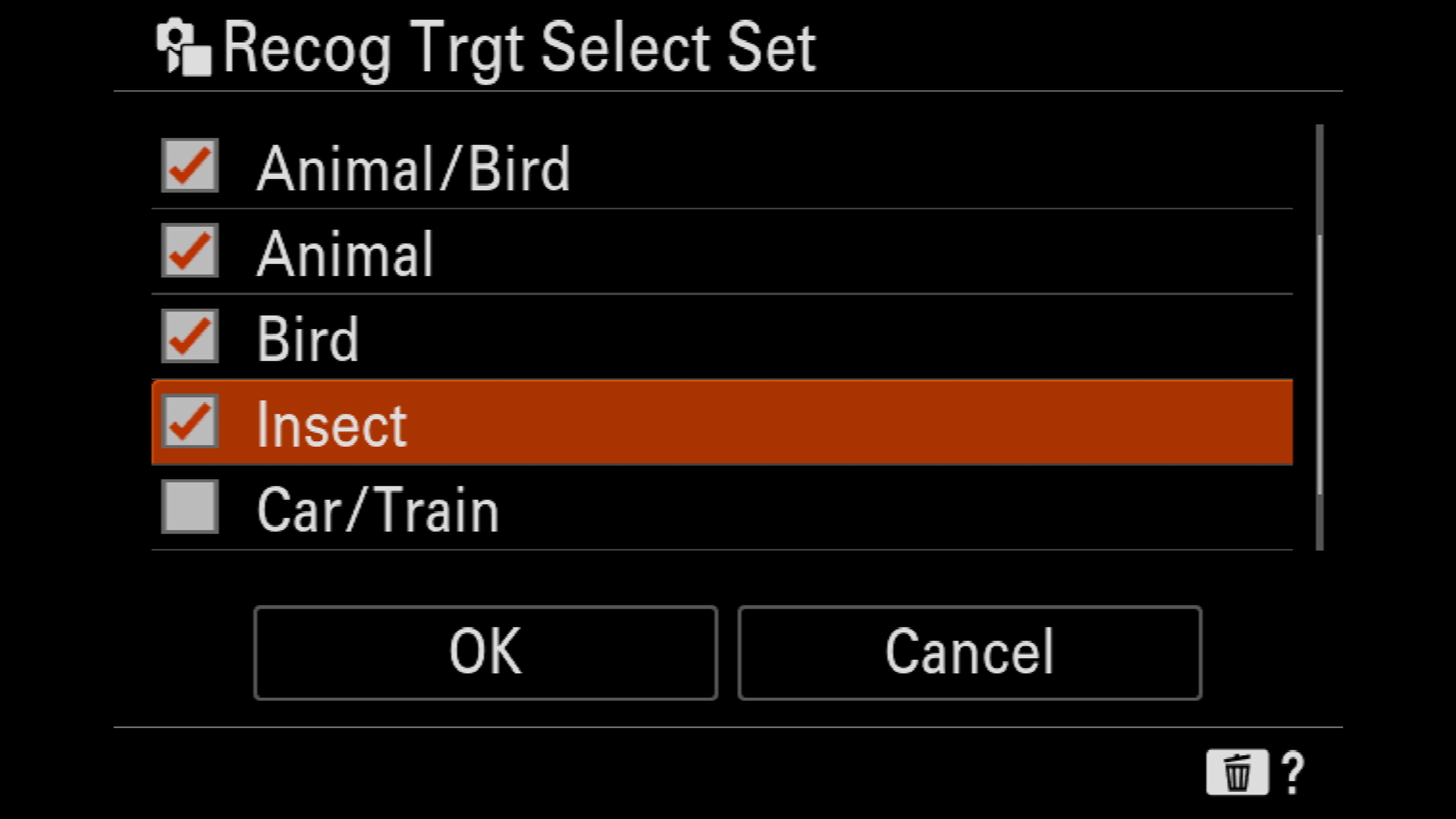
While manual focus allows for precise control especially for when working with extreme depth of field, modern mirrorless cameras with rapid autofocus and focus bracketing has also made AF a viable, faster option.
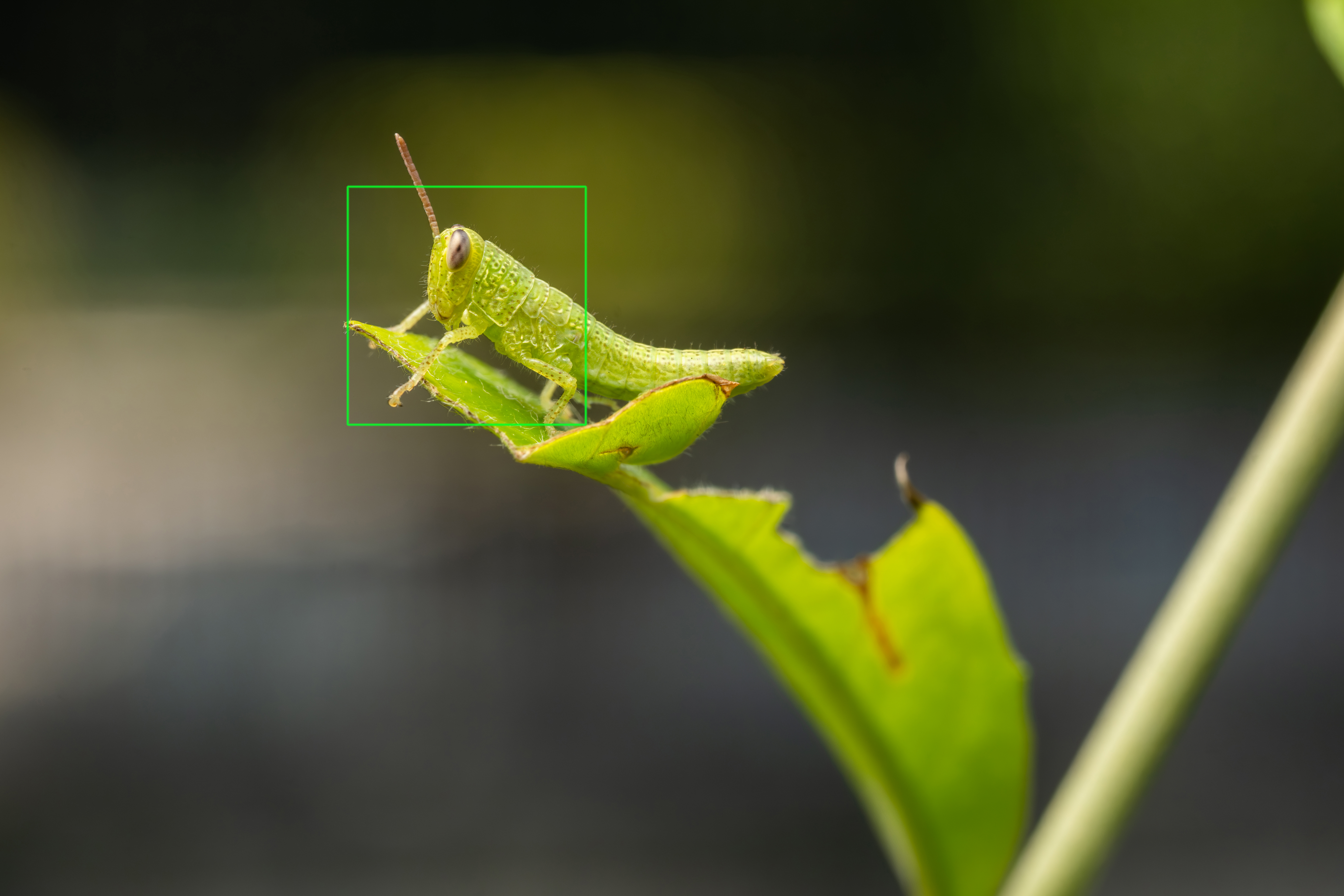
Sony’s AI-based subject recognition Auto-focus in latest camera bodies allows you to easily track a wide range of subjects.
 |  |
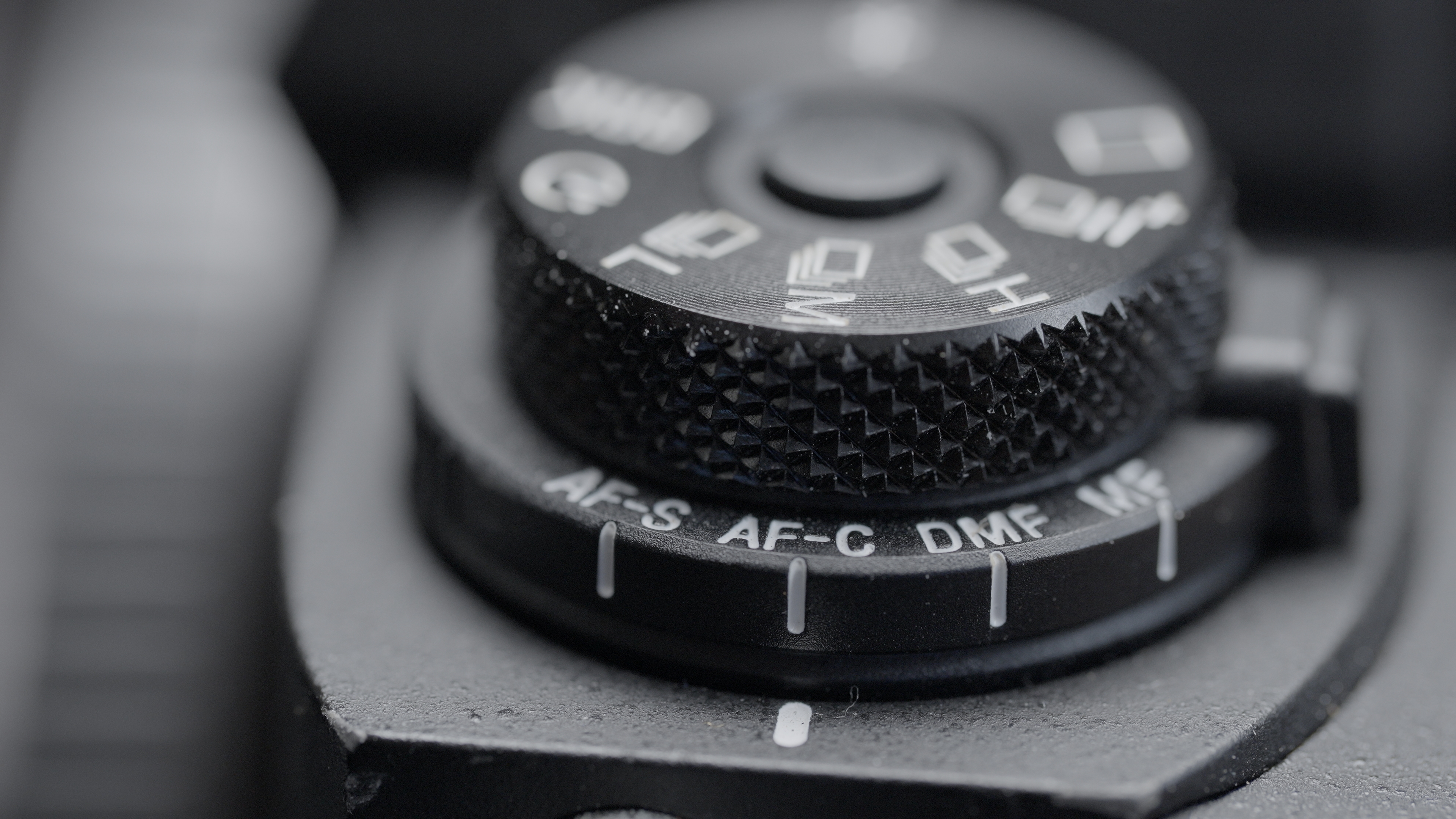
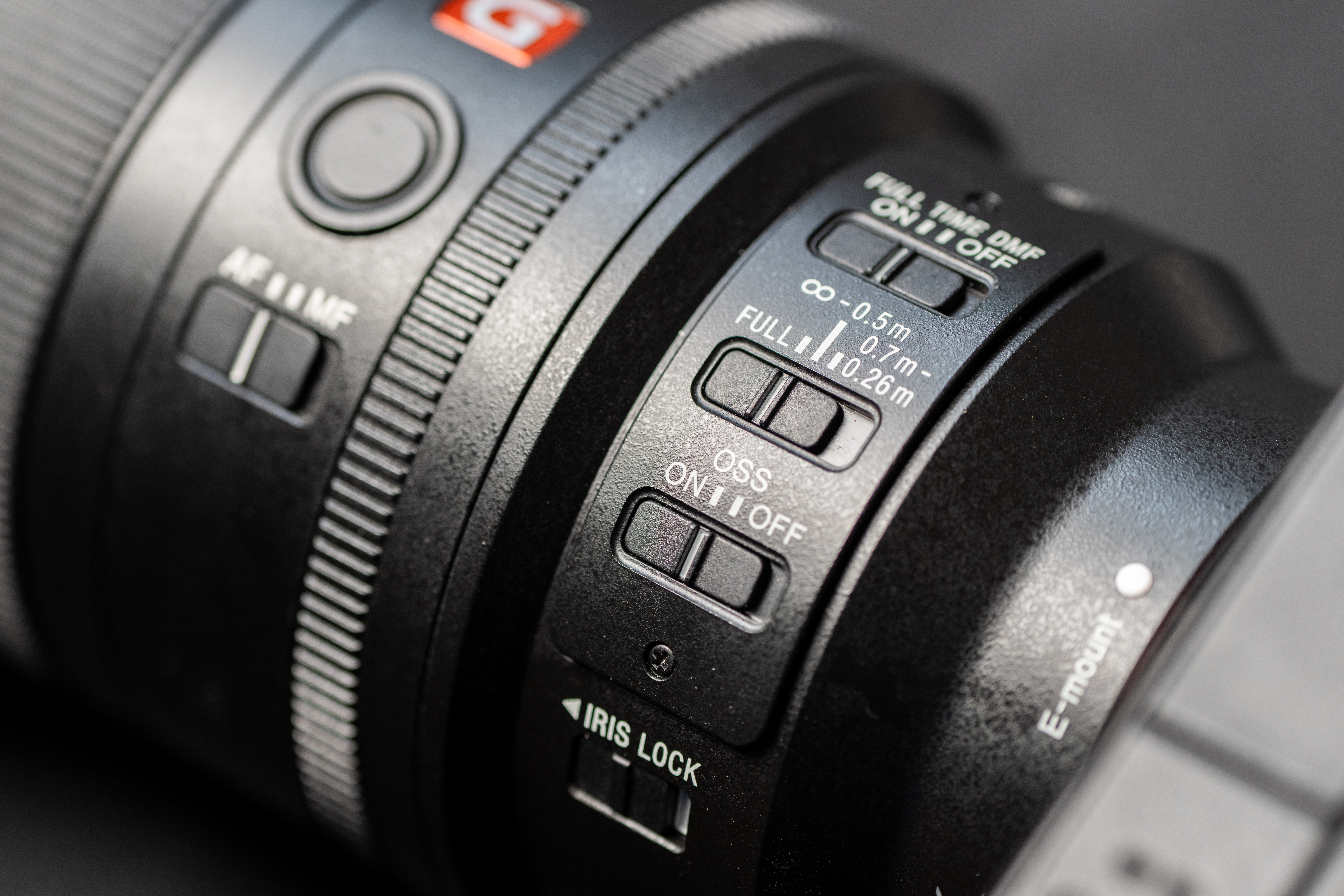
Utilize AF-C (Continuous AF) with Focus Range Limiter in Macro lenses such as the FE 100mm F2.8 Macro GM OSS for faster, more responsive focusing.
 |  |
4. Explore the Macro Lineup
Choosing the right gear can significantly enhance your macro photography experience.
For ultimate detail
Recommended macro lenses:
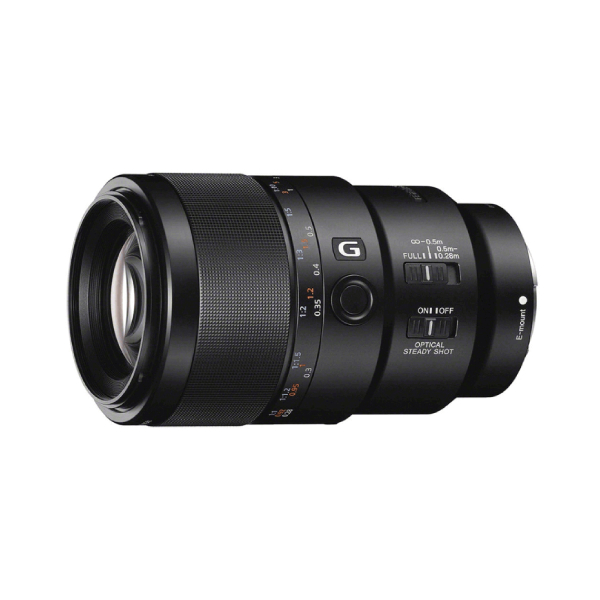
- FE 100mm F2.8 Macro GM OSS
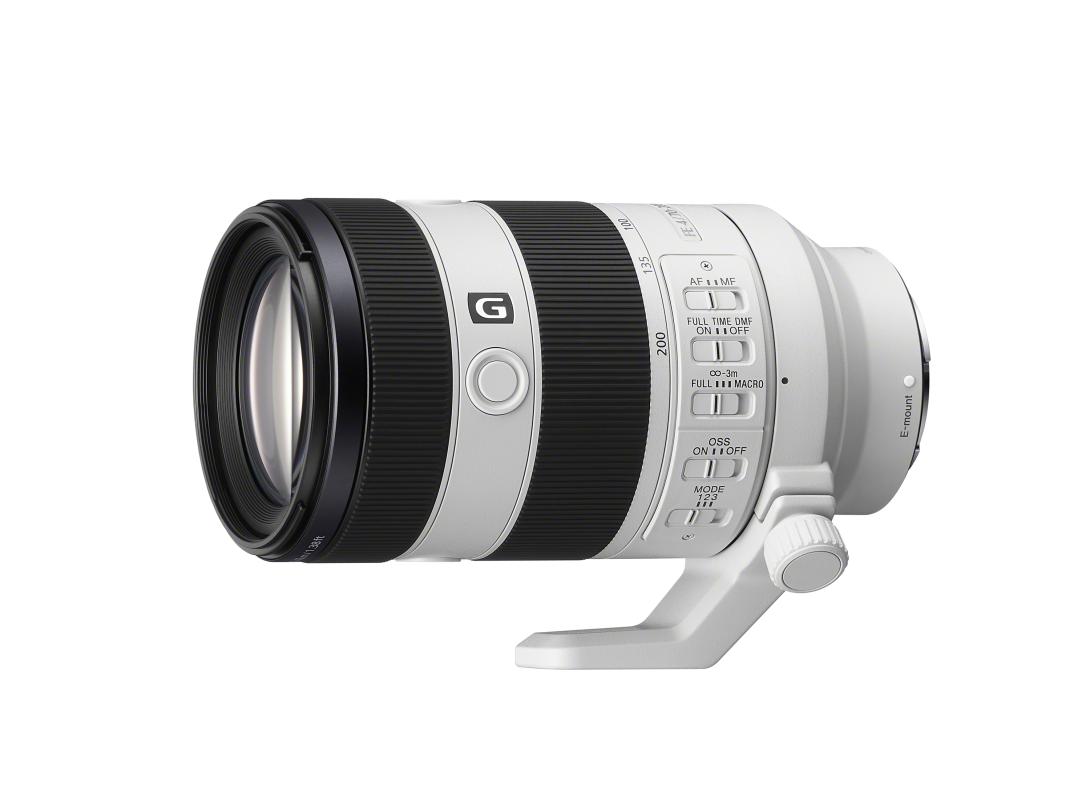
- FE 70-200mm F4 Macro G OSS II
- FE 90mm F2.8 Macro G OSS
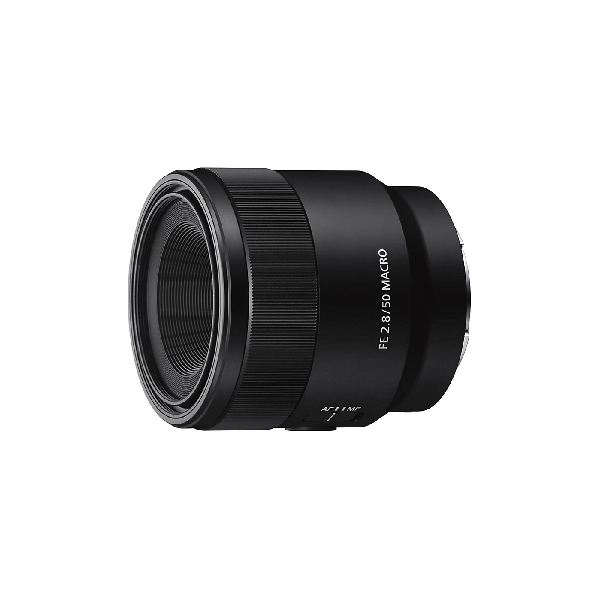
- FE 50mm F2.8 Macro
- FE 16mm F1.8G
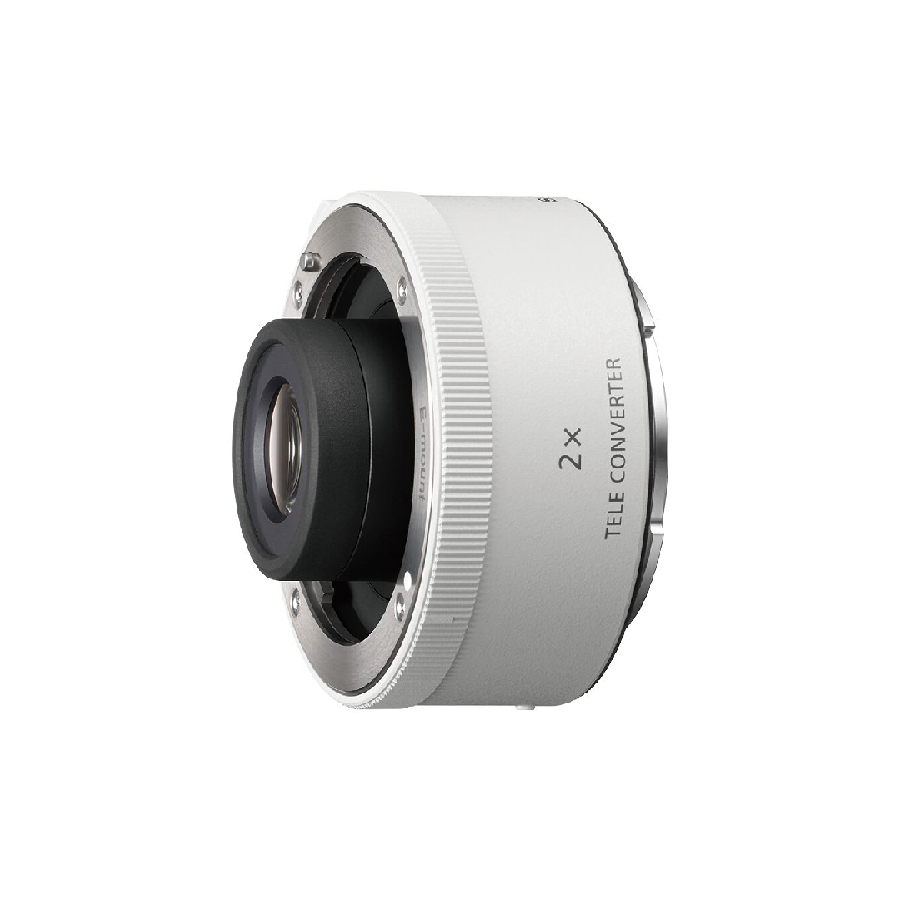
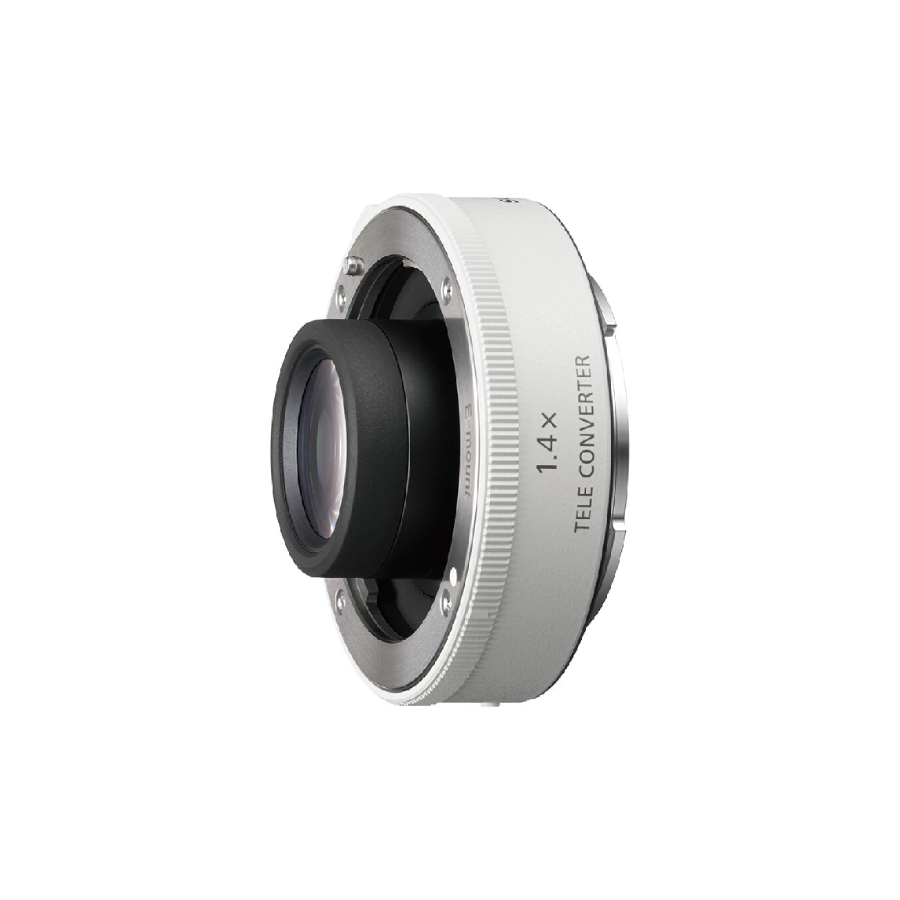
Optional accessories such as 1.4x and 2.0x teleconverters can further increase magnification for extreme close-ups.
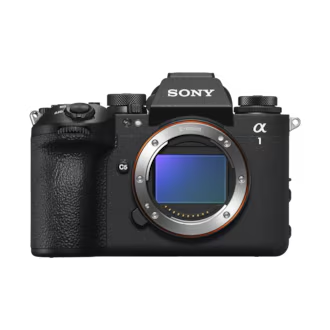
- Alpha 1 II
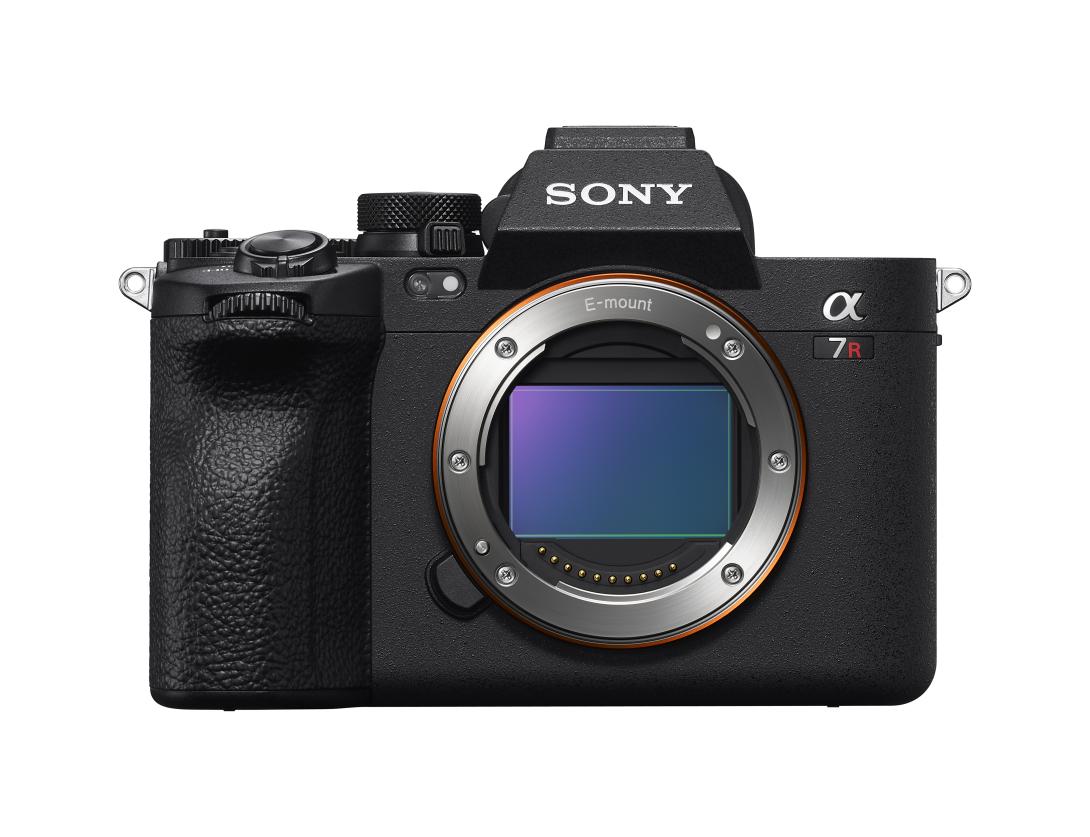
- Alpha 7R V
- FE 100mm F2.8 Macro GM OSS
- FE 70-200mm F4 Macro G OSS II
- 1.4x Teleconverter
- 2.0x Teleconverter
- FE 90mm F2.8 Macro G OSS
- FE 50mm F2.8 Macro
- FE 16mm F1.8G
This combination is ideal for capturing fine textures, subtle tones, and micro-details with precision.
Additional gear to consider includes:
- A tripod for stability during focus stacking or low-light shooting
- Flashes or strobes to freeze motion and reveal surface detail
- Circular polarizing filters to reduce reflections and enhance colour and texture
For On-the-Go
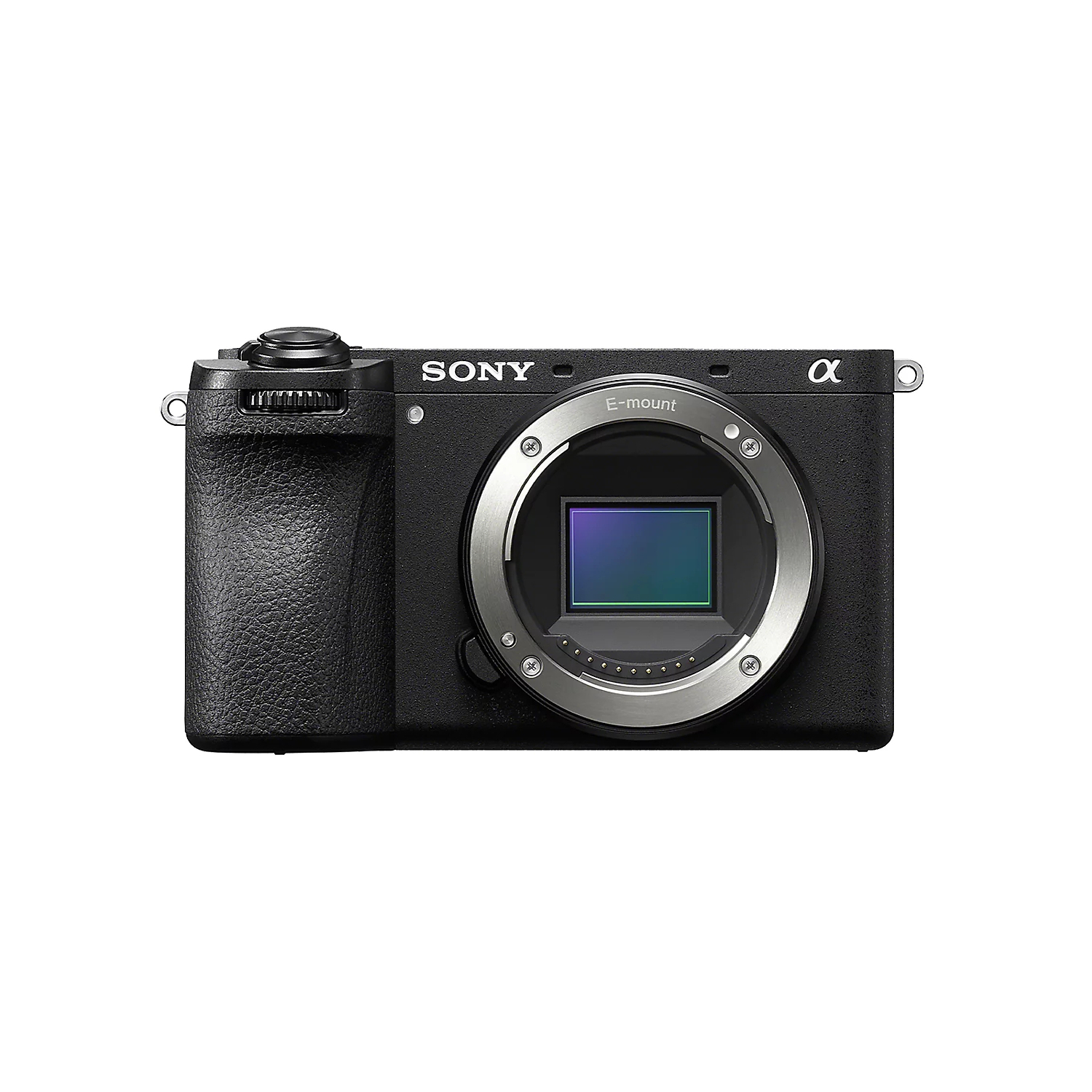
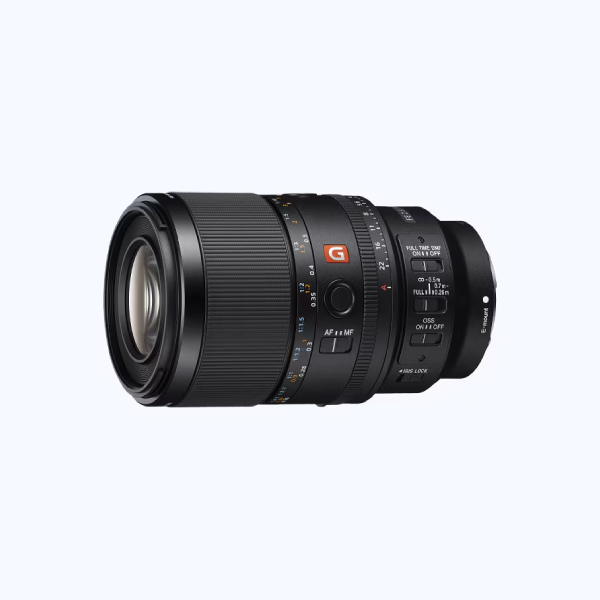
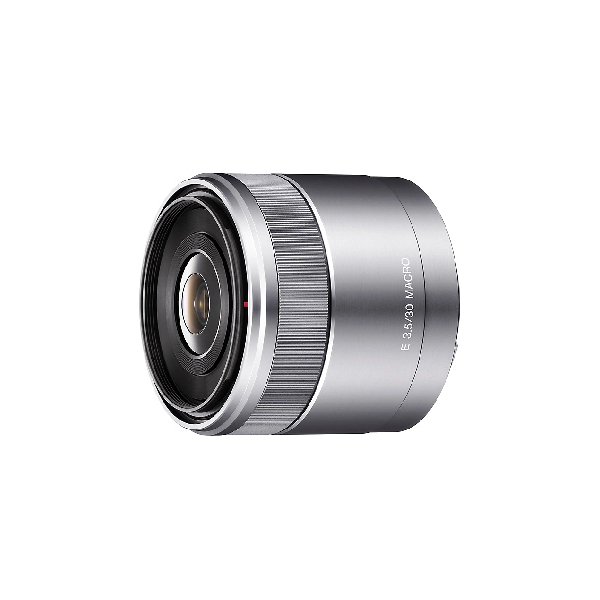
For a lightweight and flexible setup, compact APS-C cameras such as the Alpha 6700 paired with the E 30mm F3.5 Macro lens offer excellent macro capability without sacrificing portability.
Selecting gear that matches your shooting style allows you to stay agile while maintaining high image quality.
- Alpha 6700
- E 30mm F3.5 Macro
Final Thoughts
By mastering magnification, experimenting with perspective, simplifying your approach to sharpness, and choosing the right equipment, you can capture stunning macro images that showcase the hidden beauty of small worlds. Remember, patience and practice are key to mastering macro photography. Grab your camera, head outdoors, and start exploring the fascinating details of nature!