

Sony Alpha Universe / Meet the Creator
SEE PEOPLE
DIFFERENTLY.
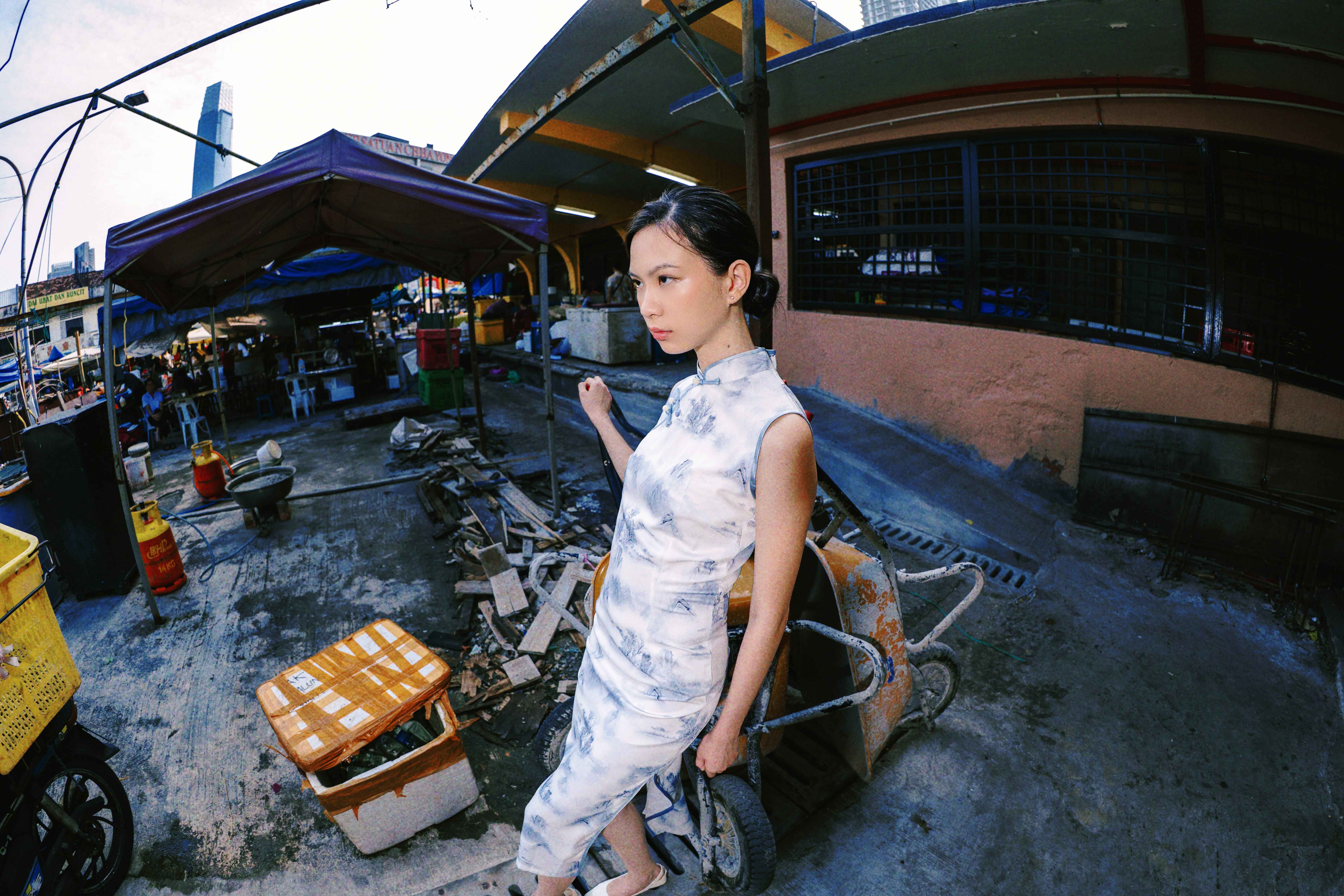
One fisheye lens. Multiple creative possibilities. Join portrait photographer Faris Baharin as he explores new ways to frame people, expressions and stories with the Sony FE 8–14mm F3.5 Fisheye G.
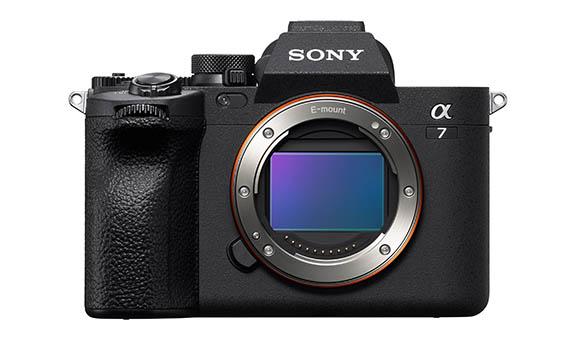
Hero photograph: α7 IV | SEL814G | 8mm | 1/250s | ISO 160
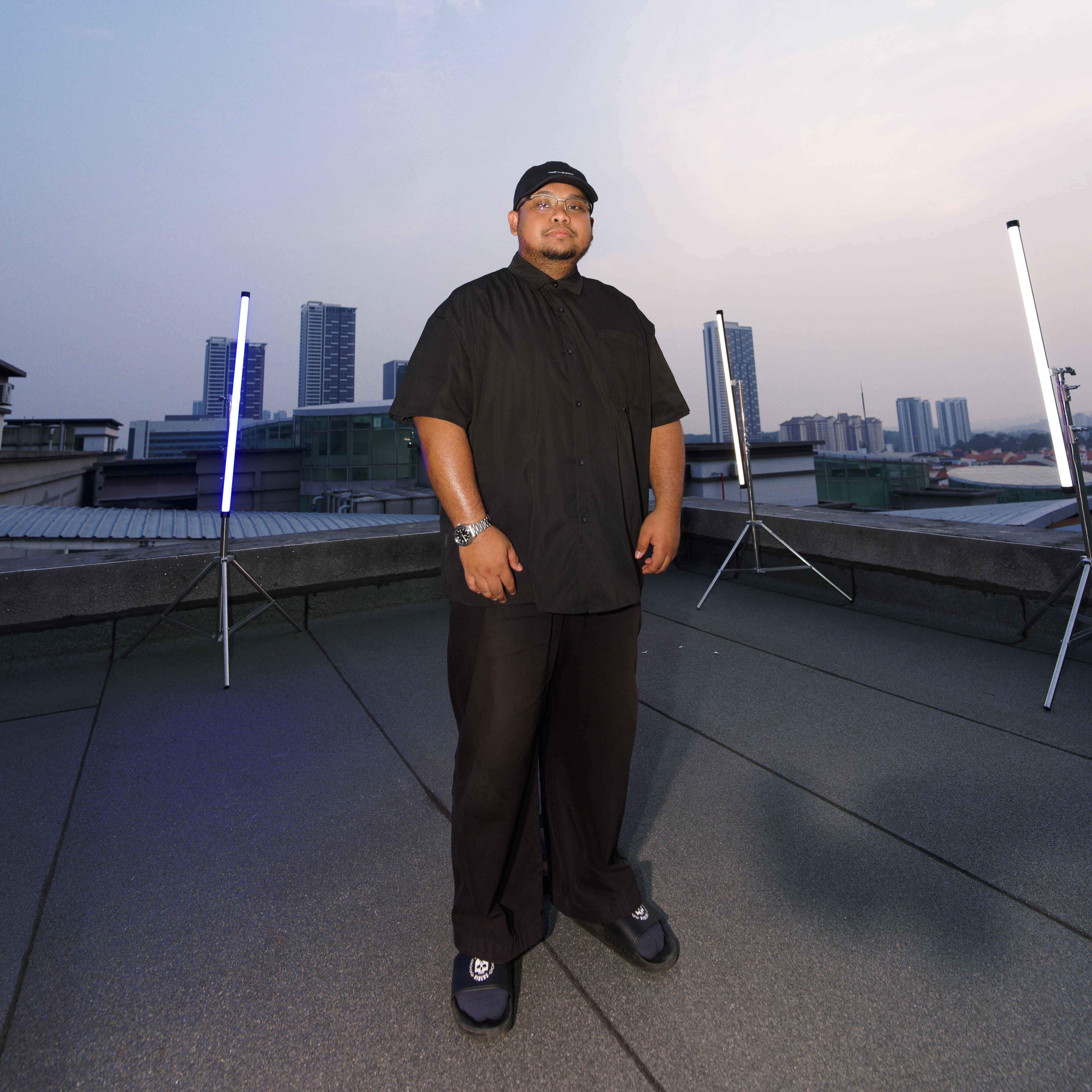
The creator / Faris Baharin
Every face has
a story.
Faris began photography in 2016 with a Sony α6000, learning through experimentation and photographing whatever caught his eye. Following a friend to events introduced him to photographing K-pop artists. Later, street photography meet-ups with models opened another creative direction.
After moving to the full-frame Sony α7 III, he continued exploring portraits and photographing strangers. What keeps him interested is not simply how people look, but their expressions, emotions and the connections formed during a shoot.
01 / FIRST IMPRESSIONS
Not your usual
portrait perspective.
Faris is drawn to the fisheye lens because it opens up angles and visual concepts that feel different from conventional portrait photography. For someone who enjoys photographing people, that change in perspective creates another way to tell their stories.
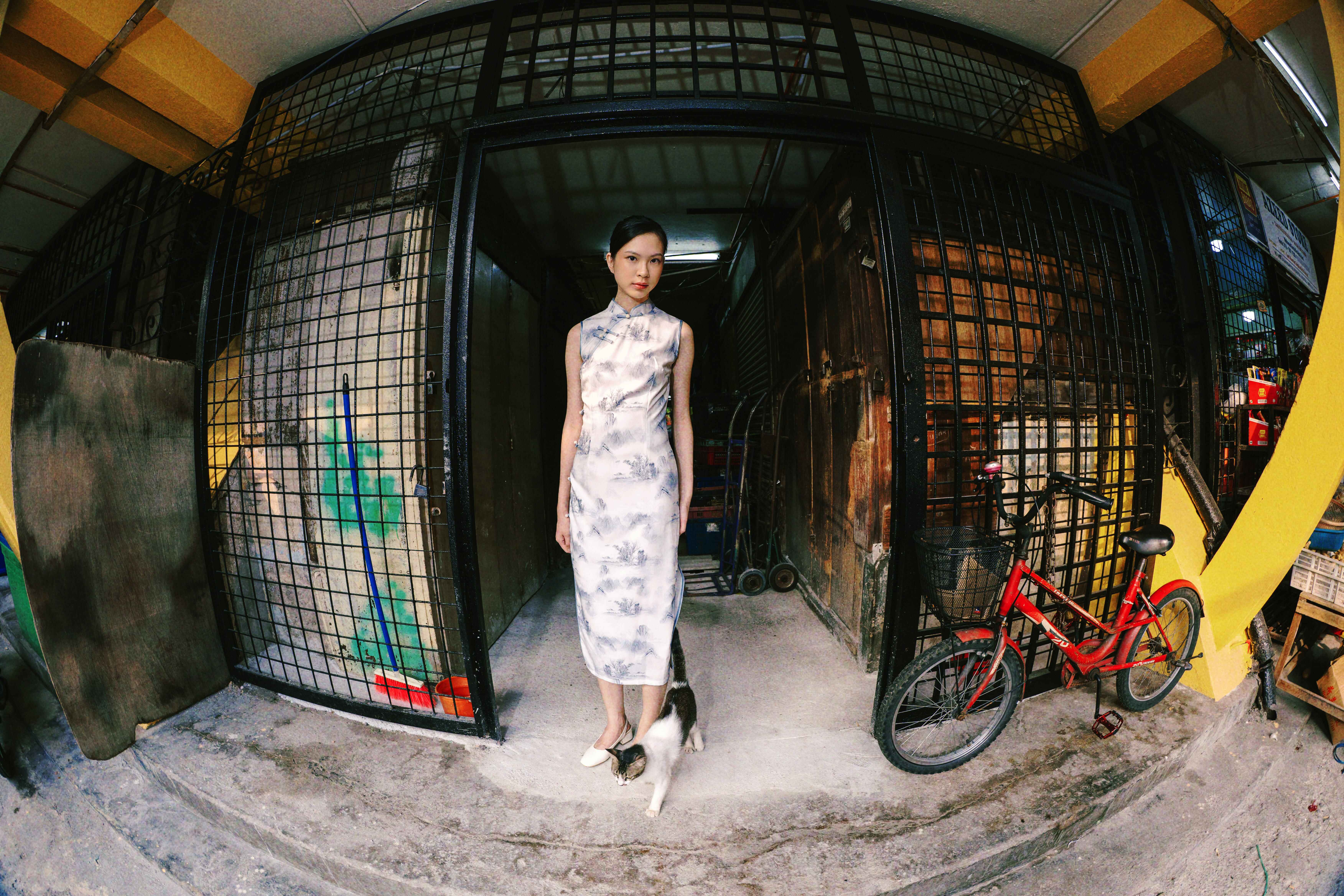
The challenge is not to recreate the same portrait with a wider lens. It is to discover a different kind of portrait altogether.
02 / CREATIVE EXPRESSION
Let the perspective
tell the story.
A fisheye lens deliberately bends straight lines and exaggerates perspective. Rather than treating this as an imperfection, portrait photographers can use it as part of their visual language: changing their position, moving closer or incorporating the environment into the composition.
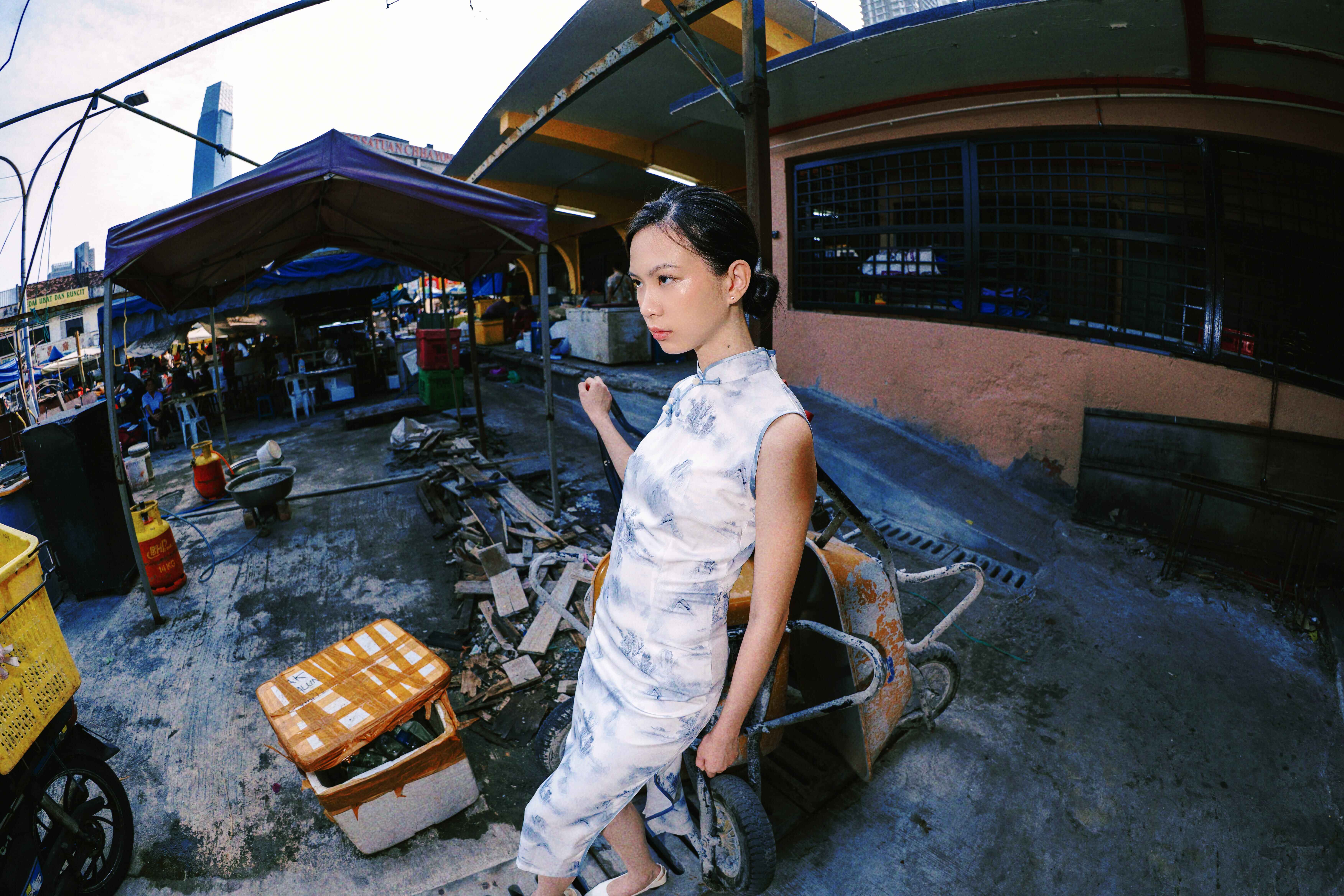
For Faris, exploring a new lens means exploring new shooting styles, not relying on familiar angles.
03 / THE LENS
One lens.
Two distinctive looks.
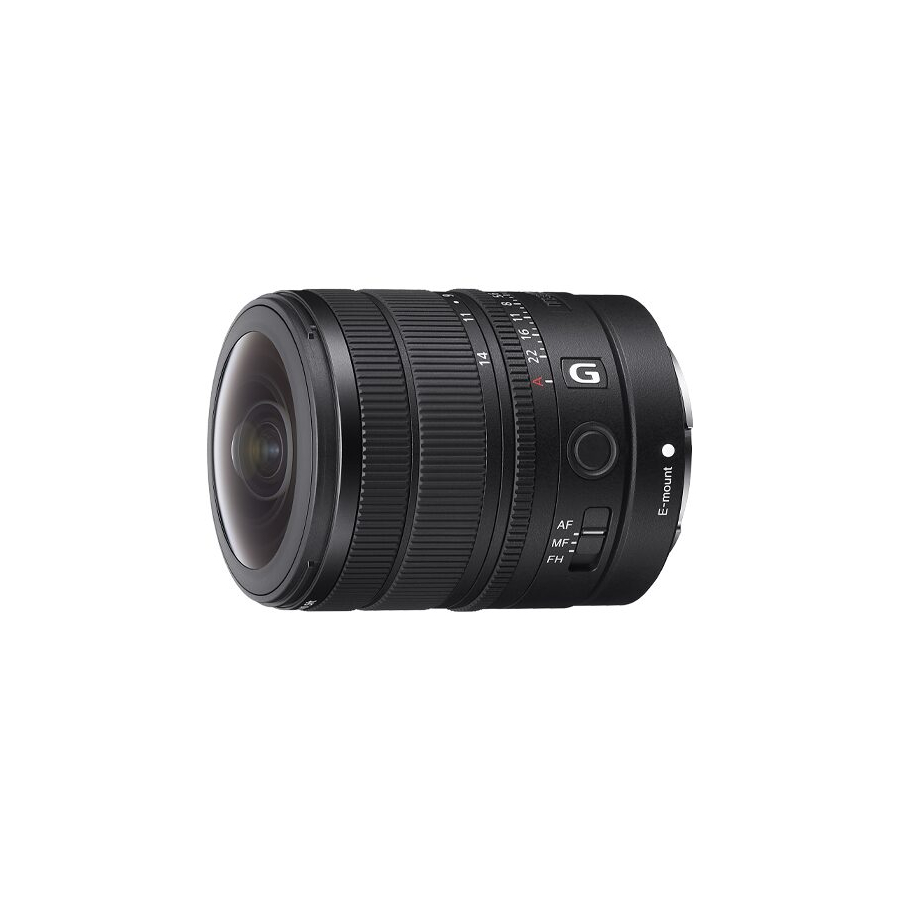
On a full-frame Sony Alpha camera, the FE 8–14mm F3.5 Fisheye G provides a circular fisheye image at 8mm and a frame-filling diagonal fisheye image at 14mm.
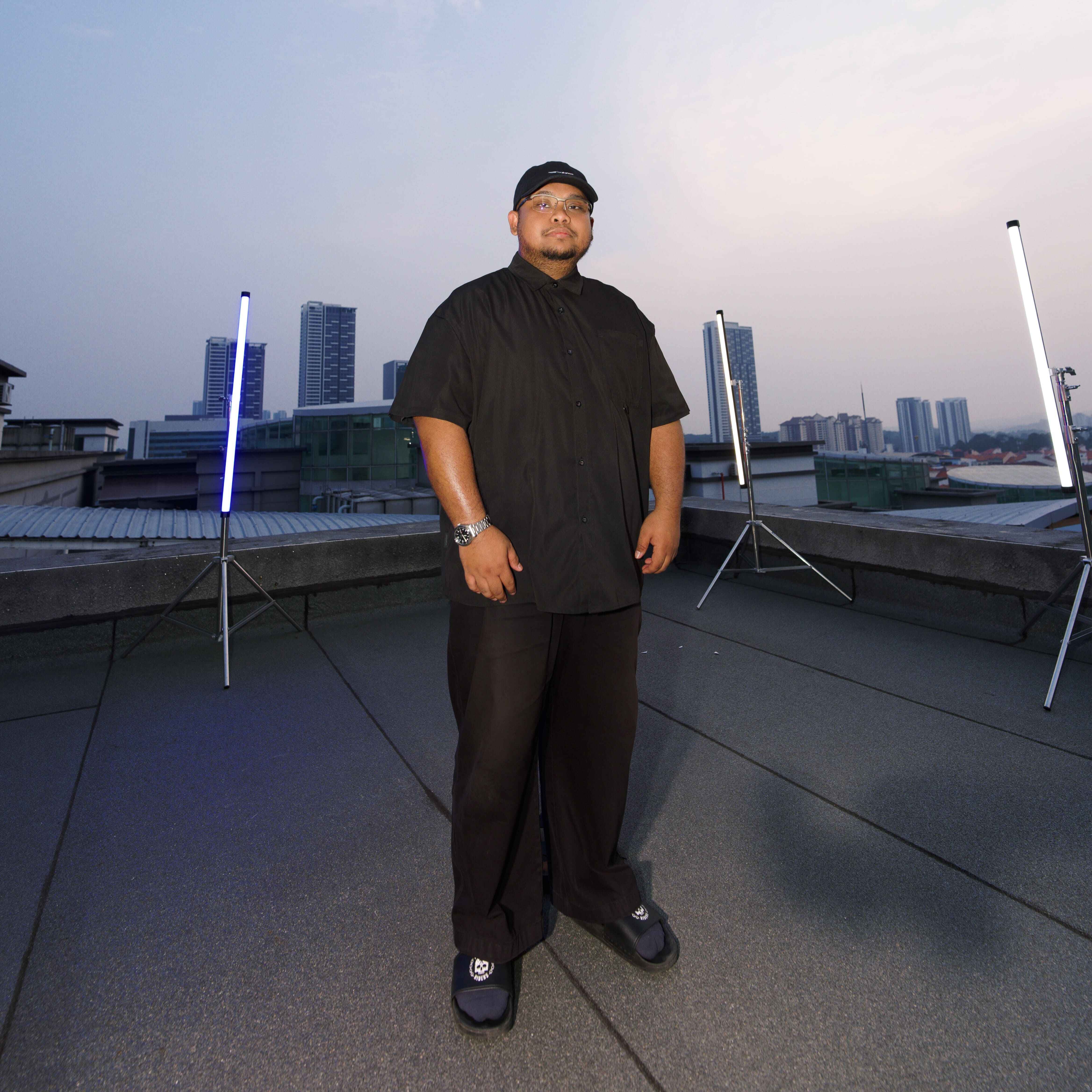
At the circular end, the surrounding black area can become a deliberate framing device that draws attention to the subject—an approach Faris identified as an interesting creative possibility. At the diagonal end, the environment can play a bigger role in the portrait.
The lens also offers autofocus and a lightweight design, giving photographers room to concentrate on composition and experimentation.
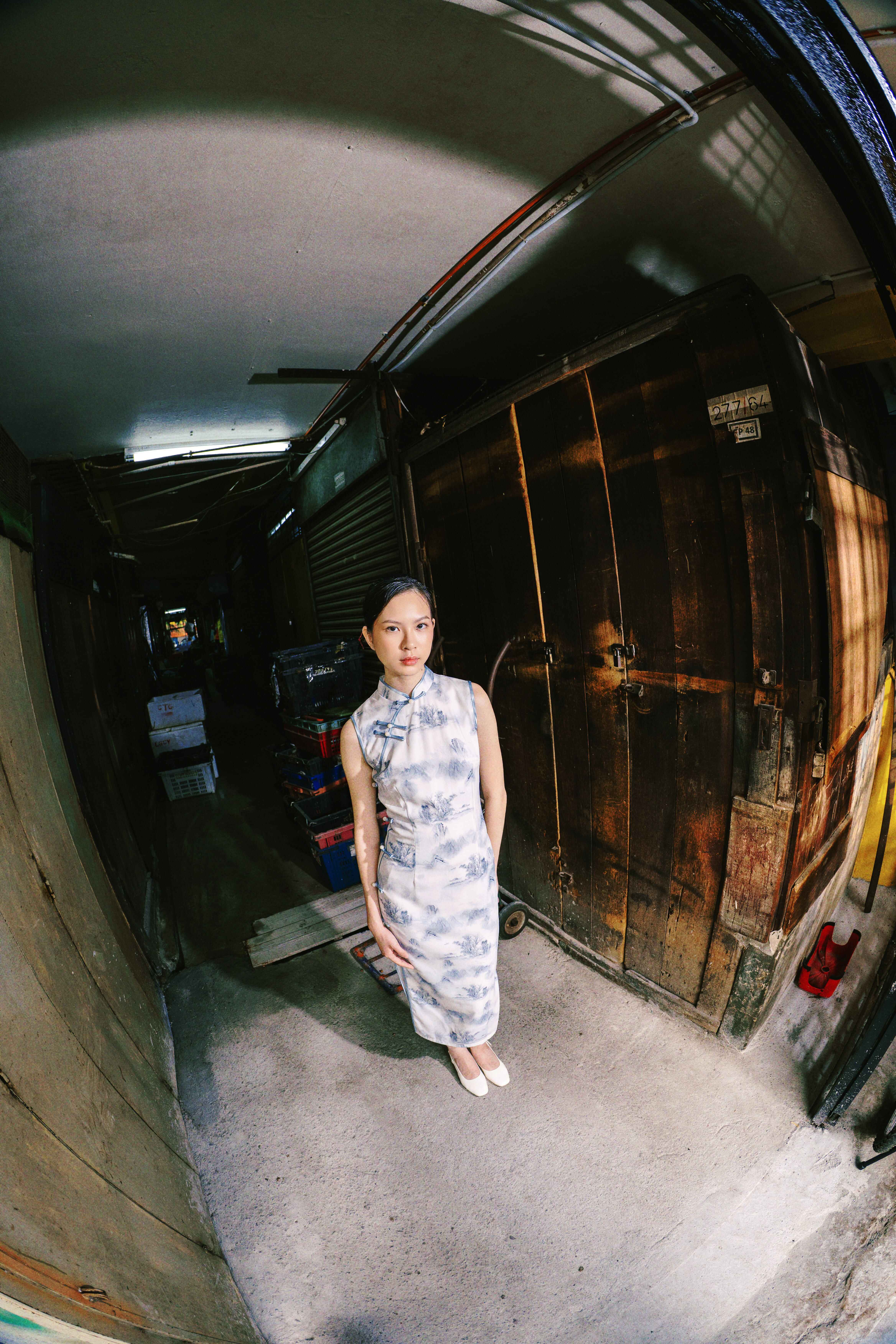
Try it yourself
Three ways to rethink
your next portrait.
01 / REPOSITION
Find a new angle.
Move the camera higher, lower or closer than you normally would. Notice how the relationship between your subject and surroundings changes.
02 / FRAME
Use the circle.
At 8mm on full frame, experiment with the circular fisheye image and its black border to draw the eye toward your subject.
03 / EXPERIMENT
Leave familiar habits behind.
Try a new concept rather than reproducing a composition you would normally make with a standard portrait lens.
04 / FARIS'S ADVICE
Creativity begins
with curiosity.
Faris's advice for anyone trying fisheye portrait photography is to avoid getting stuck with the angles they use on other lenses. Explore different styles and allow yourself to experiment.
He also appreciates the lens's autofocus and light weight—practical qualities that help keep the creative process flexible.
For a photographer interested in human connection, a new perspective does not replace the story. It offers another way to express it.
Fisheye portrait photography / Quick answers
Curious about
shooting fisheye?
Can a fisheye lens be used for portrait photography?
Yes. A fisheye lens can create expressive portraits by exaggerating perspective, bending lines and bringing the environment into the composition. The distortion is a creative choice rather than a conventional flattering-portrait effect.
What is the difference between 8mm and 14mm on this Sony lens?
On a full-frame camera, 8mm produces a circular fisheye image with a black surrounding area, while 14mm provides a frame-filling diagonal fisheye image.
Does the FE 8–14mm F3.5 Fisheye G support autofocus?
Yes. The Sony FE 8–14mm F3.5 Fisheye G supports autofocus, helping photographers focus on composition while exploring unusual perspectives.
How should a beginner start with fisheye portraits?
Start by changing your camera position and experimenting with the distance to your subject. Try the circular 8mm perspective and the diagonal 14mm perspective, then choose the framing that best supports your idea.
The creative challenge
What if your next portrait
breaks the rules?
For Faris, the connection with the person in front of the camera remains at the heart of portrait photography. A new perspective simply opens up another way to tell their story.