

Creator Story · Bird Photography
From Landscapes to Life
Discovering bird photography through a different lens
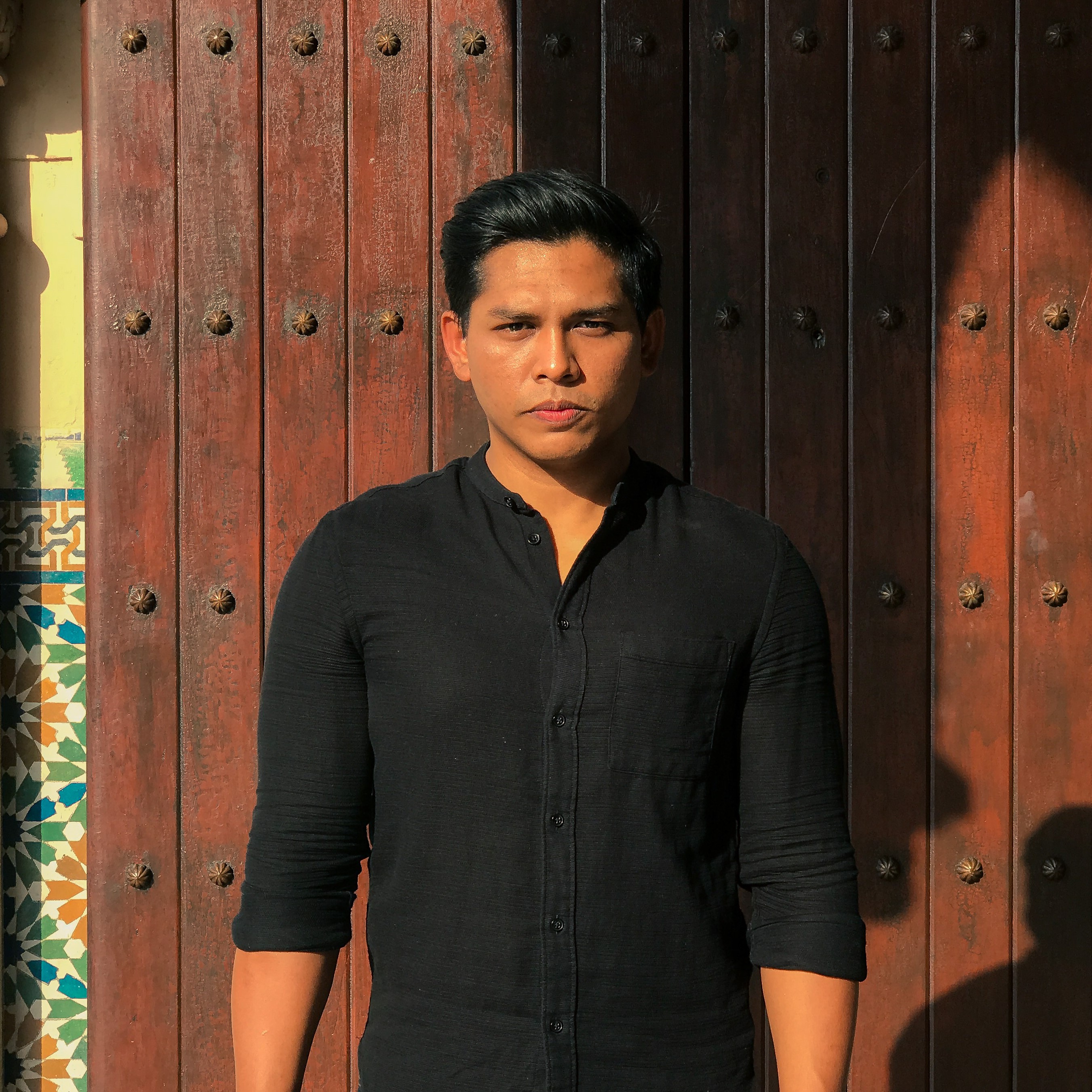
For Zairul Puad, photography began with landscapes and cityscapes — the light, the scenery and the satisfaction of capturing a place at just the right moment.
But the more time he spent outdoors, the more he began noticing something else within those landscapes: wildlife.

Zairul's landscape photography trained his eye for light, distance and detail.
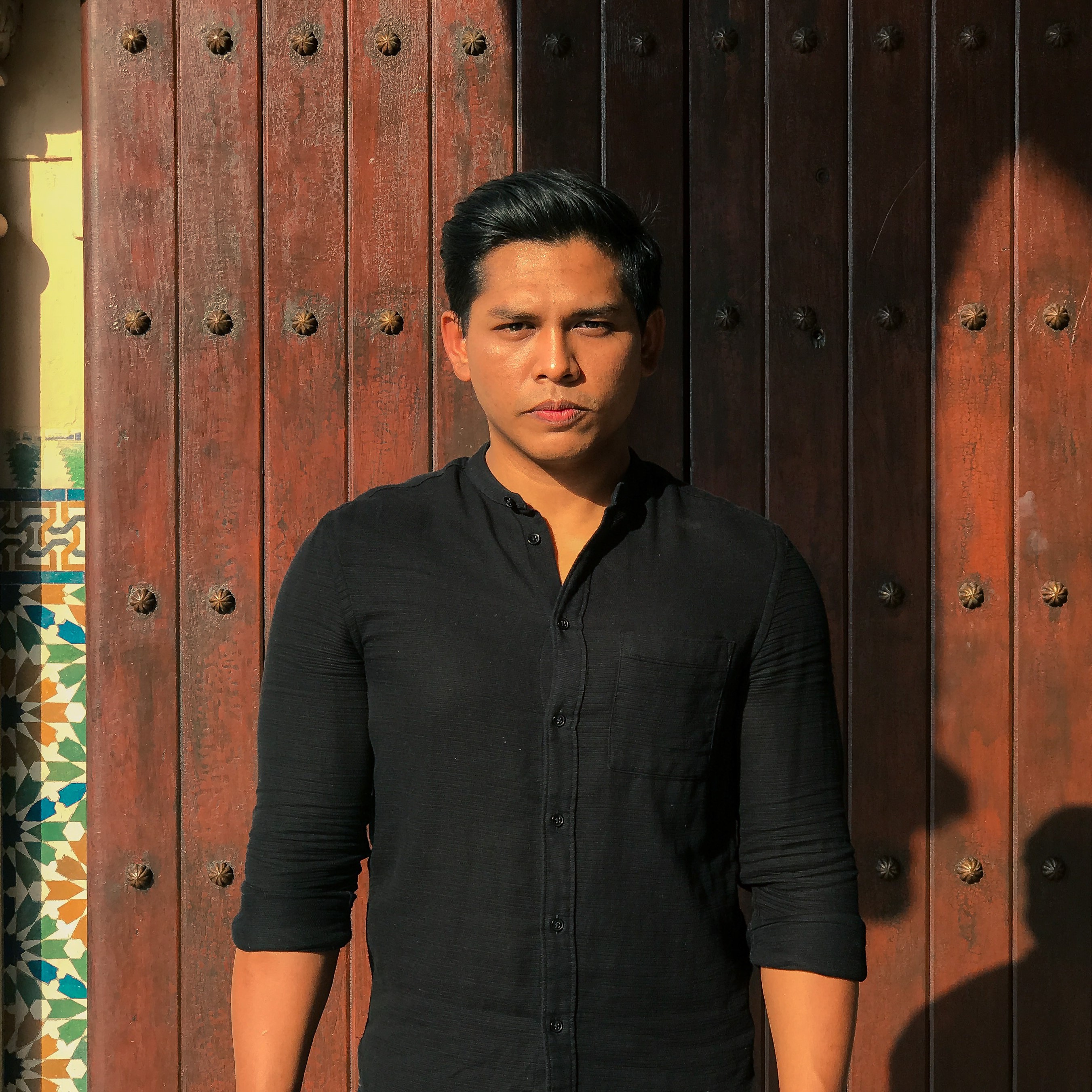
Zairul Puad's photography journey began with landscapes and cityscapes.
A different way of seeing
From landscapes to bird photography
Moving into bird photography didn't mean Zairul had to leave landscapes behind. In fact, the transition felt surprisingly natural.
He was already spending time outdoors and already had photography equipment that he used for landscapes and moon photography. Instead of treating birding as an entirely separate world, he began experimenting.
The biggest change wasn't necessarily the equipment. It was what he started looking for.
Where he might once have focused entirely on the landscape in front of him, he was now noticing the life within it.

Landscape photography taught Zairul to notice the details within a scene.
Is bird photography difficult for beginners?
From the outside, bird photography can look intimidating. Birds can be small, fast and unpredictable, while experienced photographers are often seen carrying highly specialised equipment.
For beginners, it can start much more simply: visit an accessible location, begin with larger and slower-moving birds, practise focusing and tracking, and gradually progress as your confidence grows.
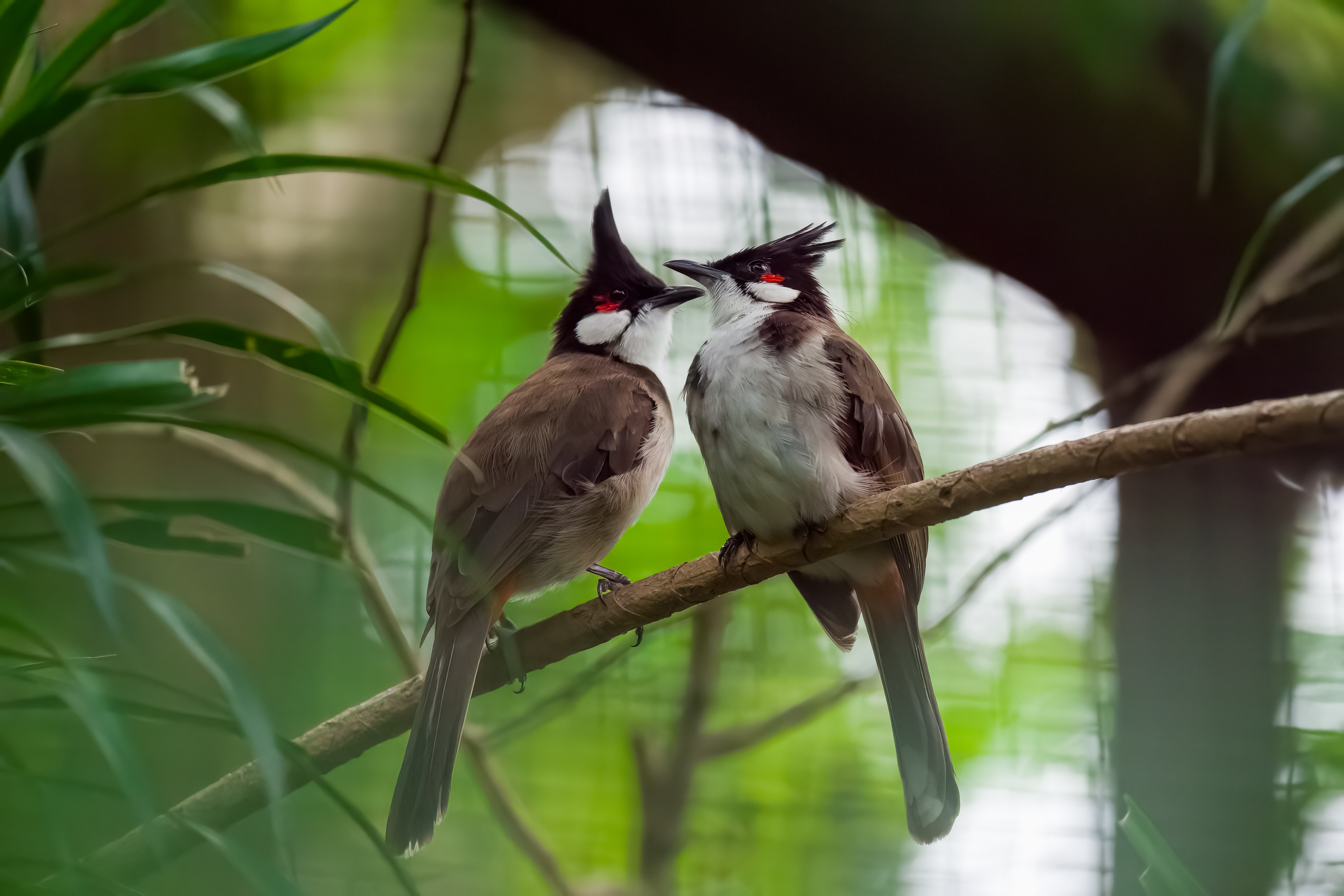
Stationary subjects give beginners more time to practise focus and composition.
Start somewhere accessible
Begin with subjects that give you time to learn
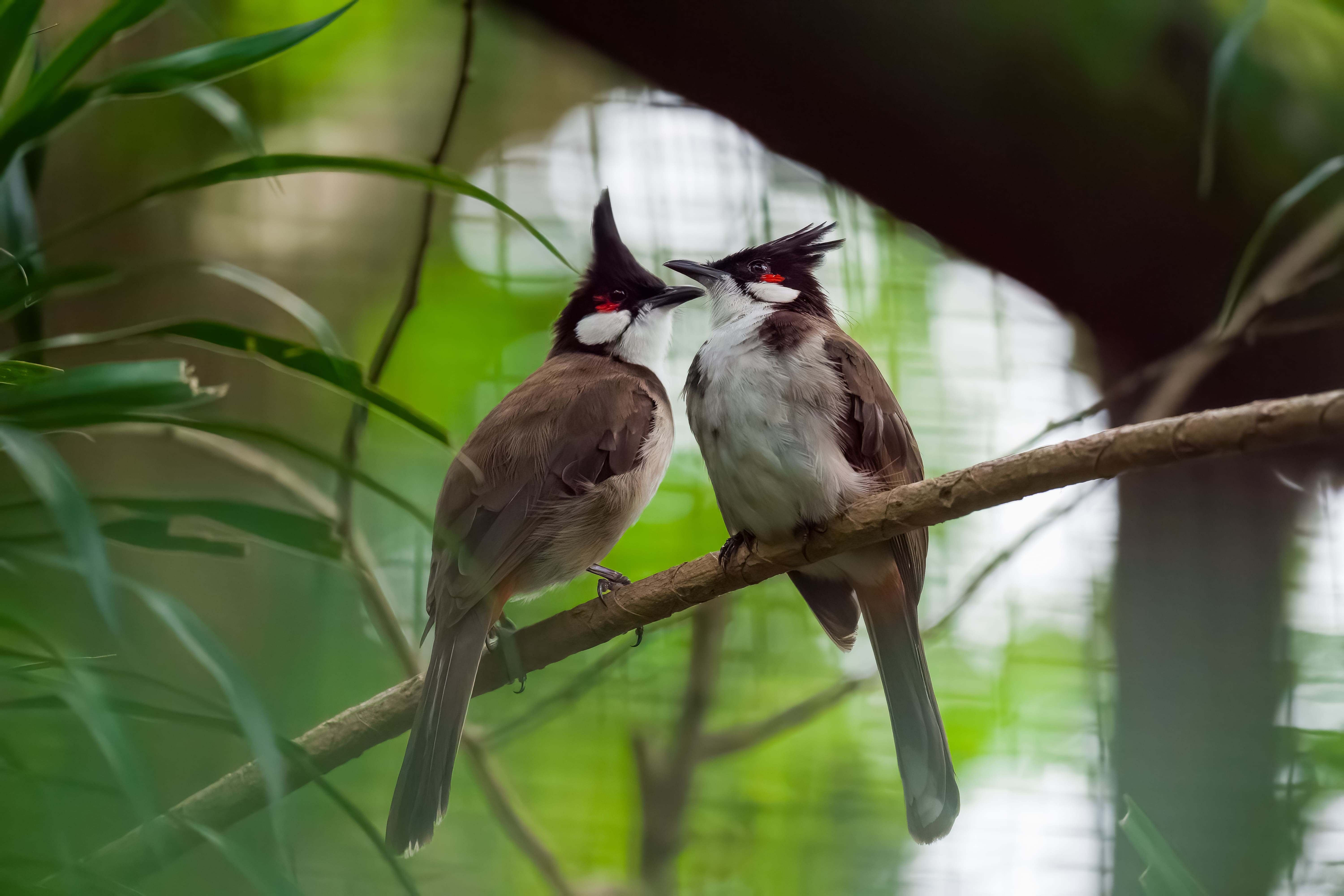
Zairul recommends beginning somewhere approachable, such as a bird park, and starting with bigger birds.
A more stationary subject gives you time to locate it in the frame, focus on the eye, refine your composition and notice the small details in front of you.
Before reacting to speed, you first learn how birds move, turn their heads, interact and signal what they may do next.
Details first. Speed later.
Once keeping a bird in focus begins to feel natural, the challenge can grow with you. Smaller birds move more quickly. Moving subjects demand faster reactions. Birds in flight add another layer of timing and tracking.
The point is not to begin with the hardest photograph. It is to build the skills that eventually make those photographs possible.
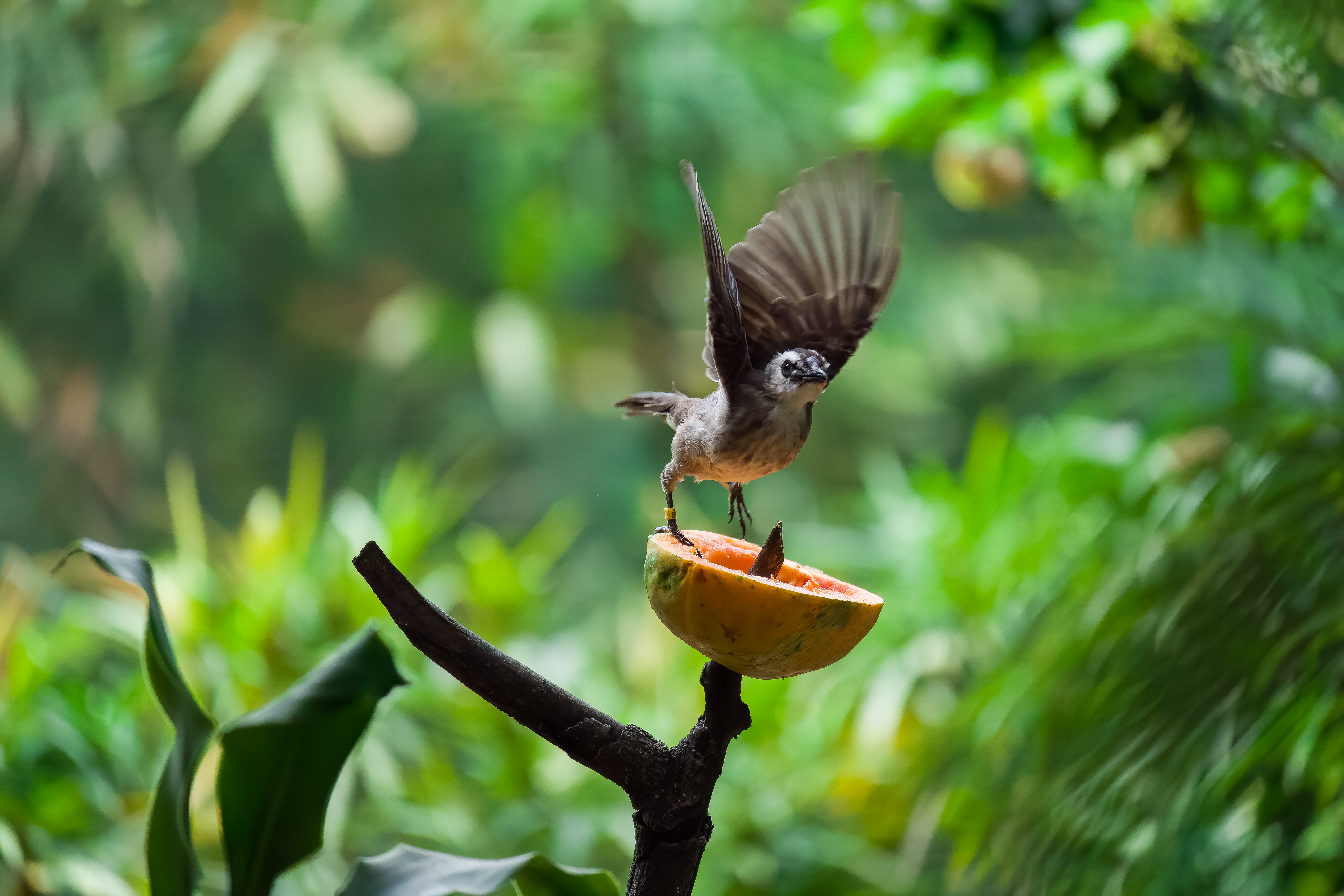
Movement adds the next challenge: reacting quickly while keeping the bird in focus.
What lens do you need to start bird photography?
Getting into bird photography doesn't have to mean starting with the biggest or most specialised wildlife setup. A versatile telephoto zoom can give a beginner room to explore different subjects and distances while learning.
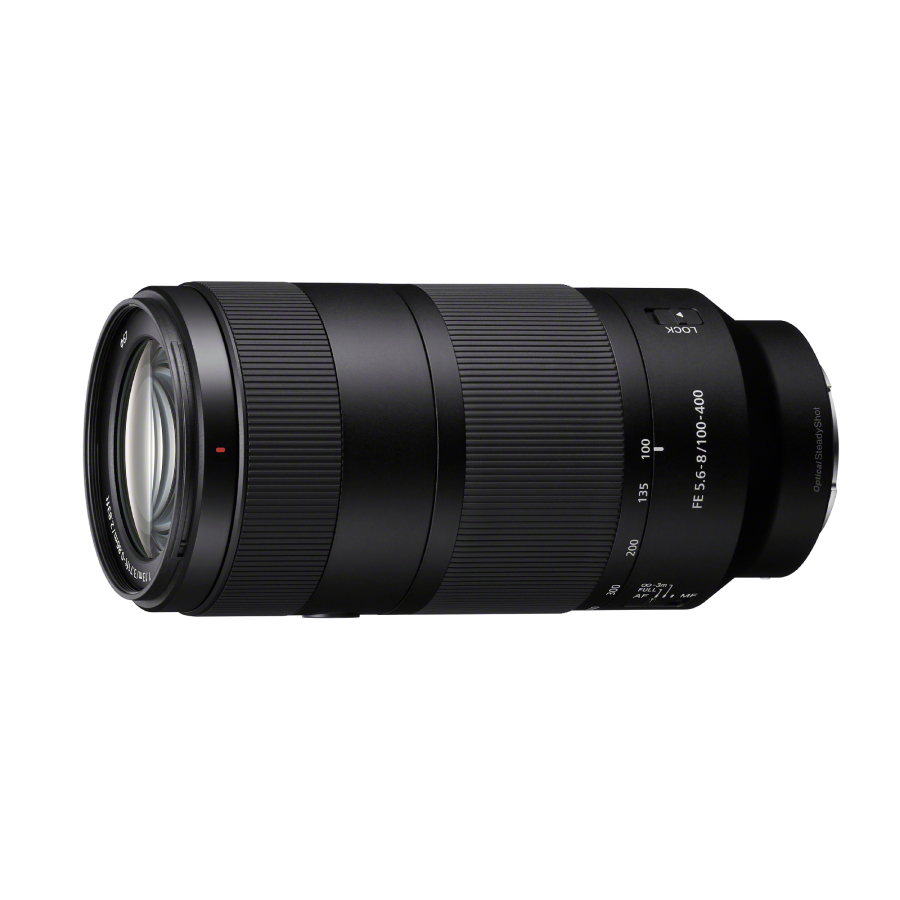
The photographs in this story show Zairul working with the Sony FE 100–400mm F5.6–8 OSS across different situations — from a wider 100mm cityscape to bird photographs at 400mm.
For birding, that range gave him flexibility to work with subjects at different distances while keeping one practical telephoto lens with him.
“It is a good starter lens that can deliver the results, especially for travel.”
How can you start bird photography?
You do not need to master everything on your first outing. Zairul's progression suggests a more approachable path:
01Start somewhere accessible
A bird park or familiar outdoor location gives you room to practise.
02Begin with bigger birds
They are easier to locate, frame and observe while learning.
03Focus on details
Practise focus, composition and observation before chasing speed.
04Add movement gradually
Move toward smaller birds, faster subjects and eventually birds in flight.
05Keep the setup practical
A versatile telephoto zoom can give you room to discover what you enjoy.
06Keep going outside
Observation and repeated practice are what turn curiosity into experience.
Maybe I can photograph that bird.
Bird photography didn't replace landscapes for Zairul. It gave him another way to experience them — by noticing not only the scenery, but the life moving within it.