

ONE TRIP.
ONE LENS?
Landscapes, bustling streets, unforgettable moments. When you can't pack everything, which lens deserves a place in your camera bag?
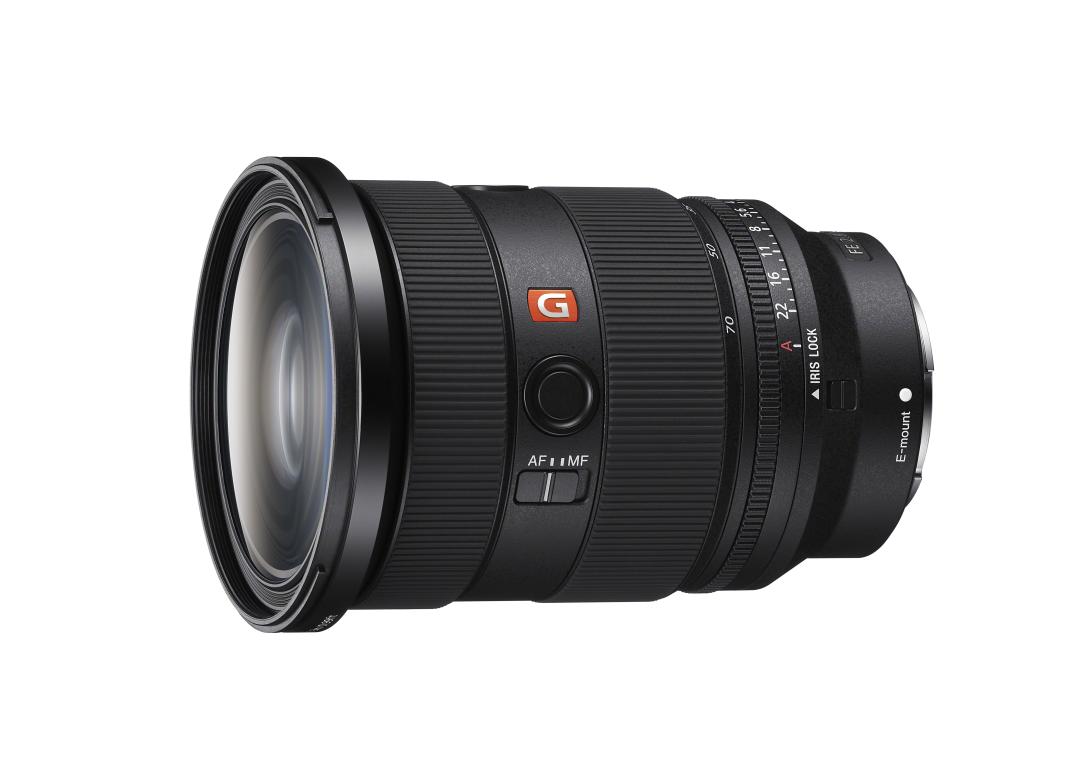
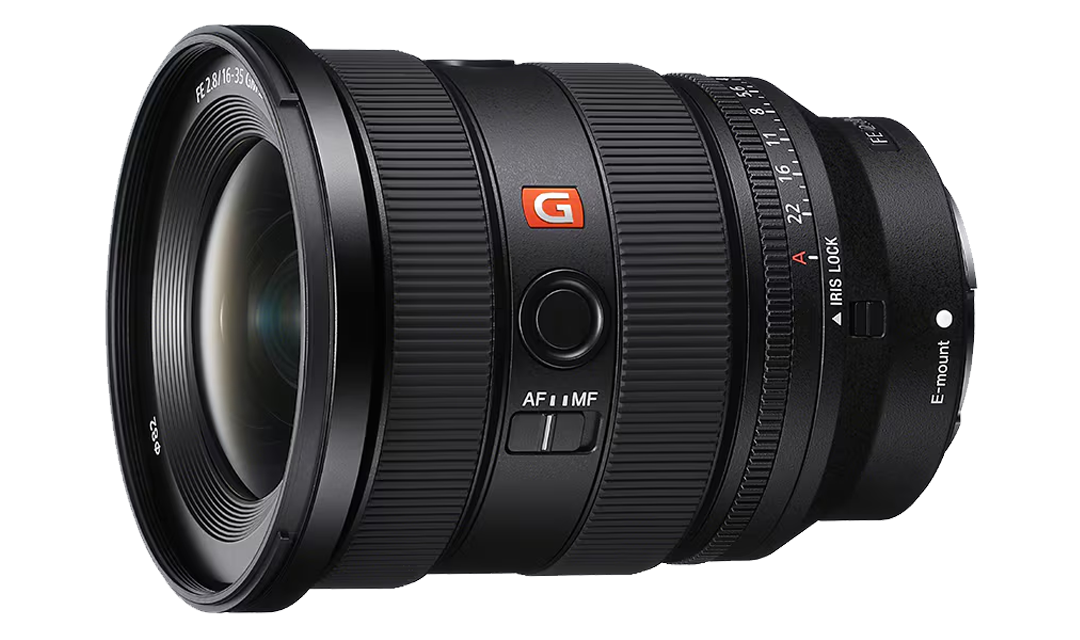
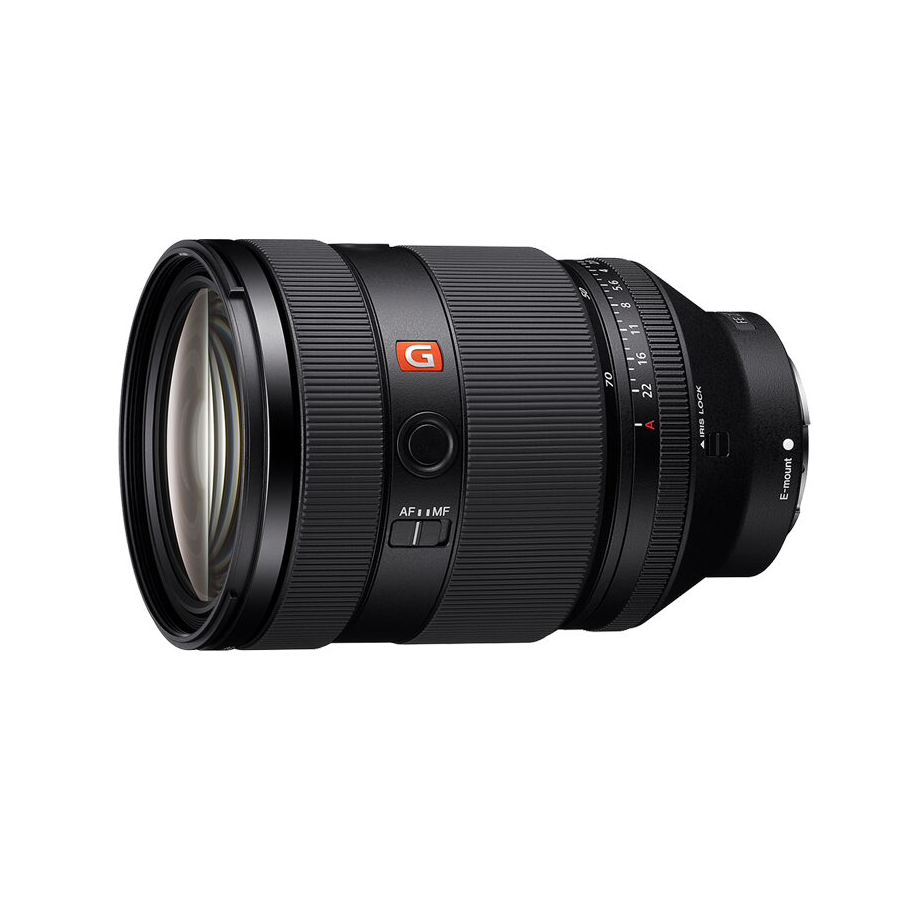
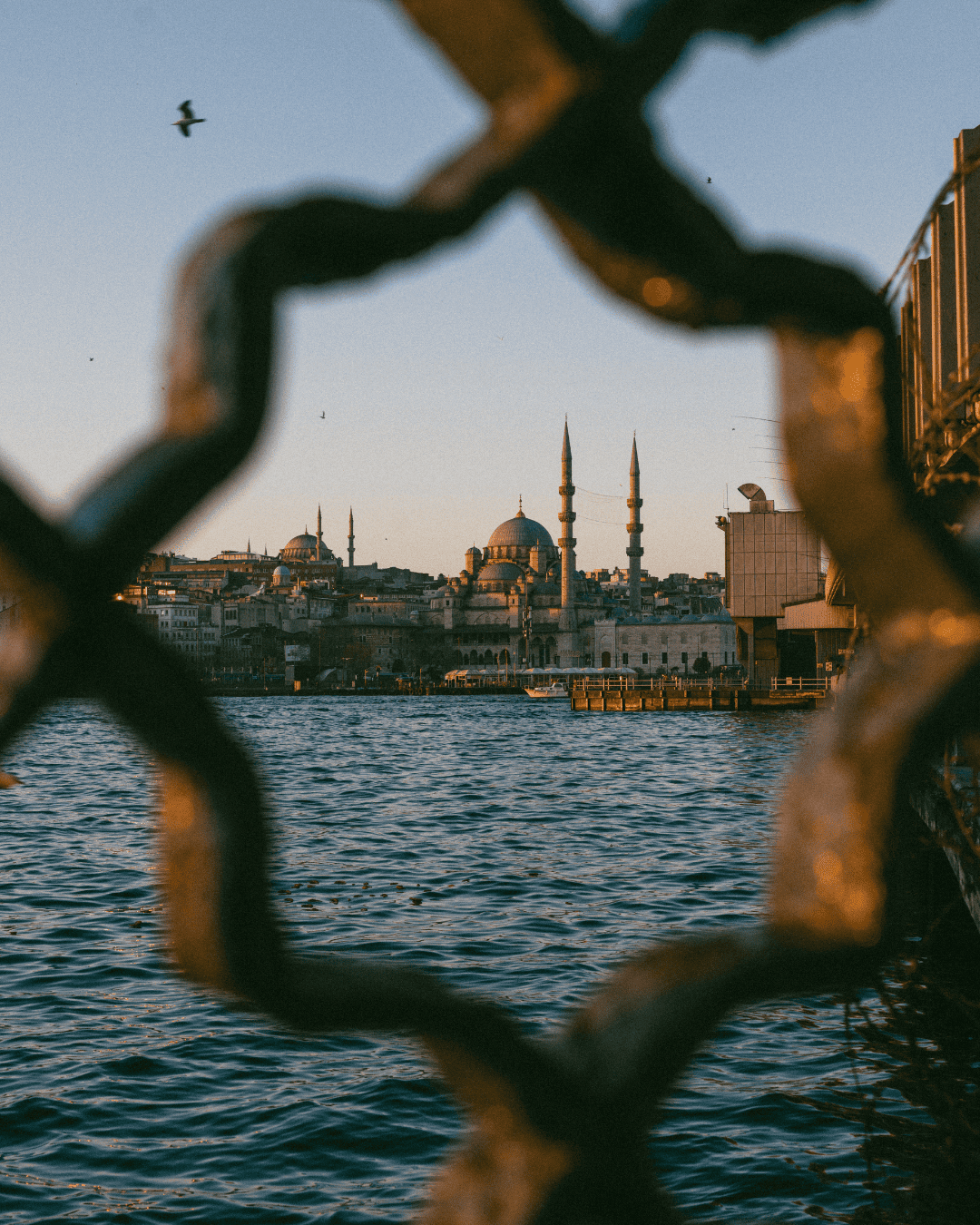
Ming Han's go-to travel lens: Sony FE 16–35mm F2.8 GM II. He favours its wide-angle versatility for landscapes, architecture and environmental street photography. The best lens for you depends on what you love to capture.
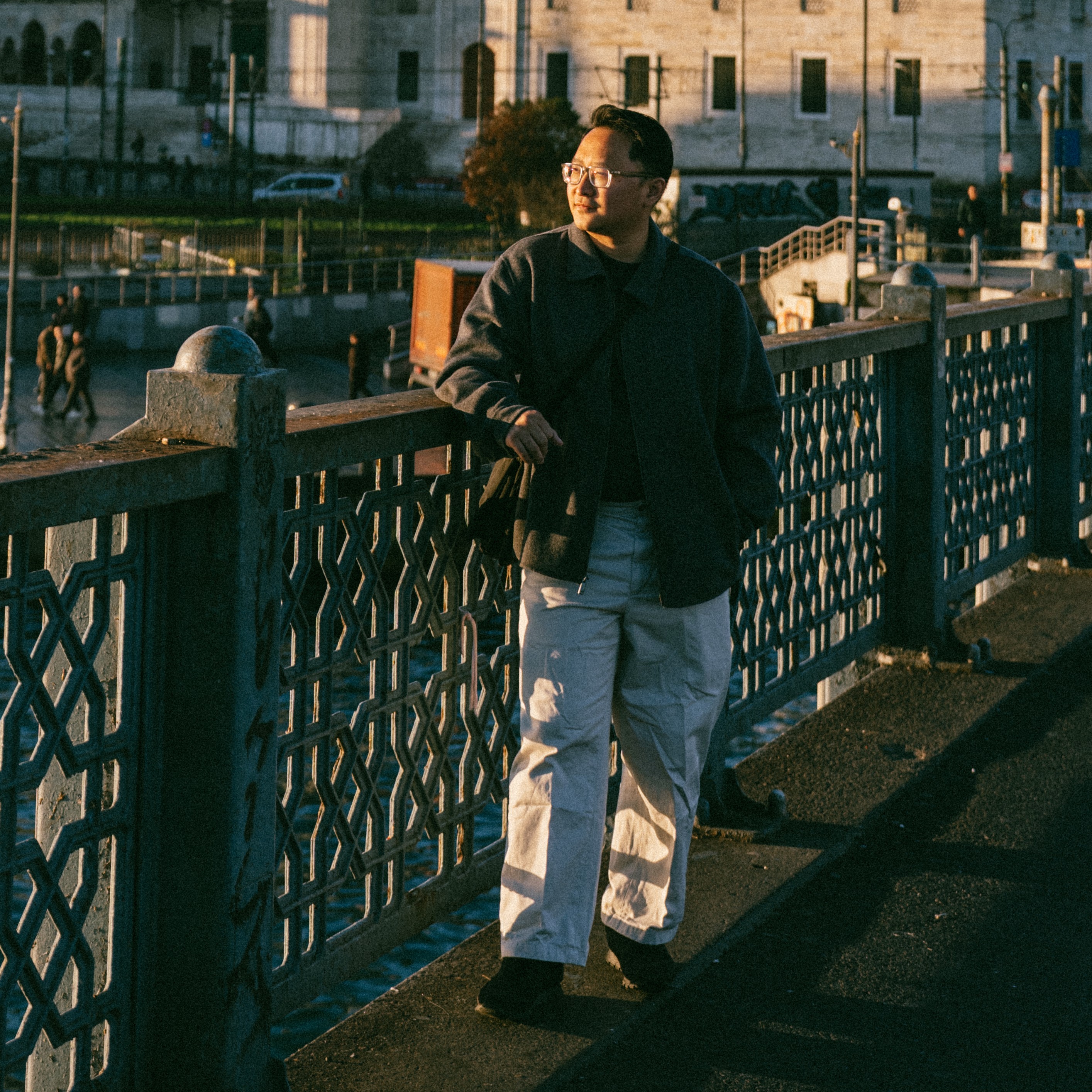
Meet the creator / Ming Han
More than a destination. A story worth noticing.
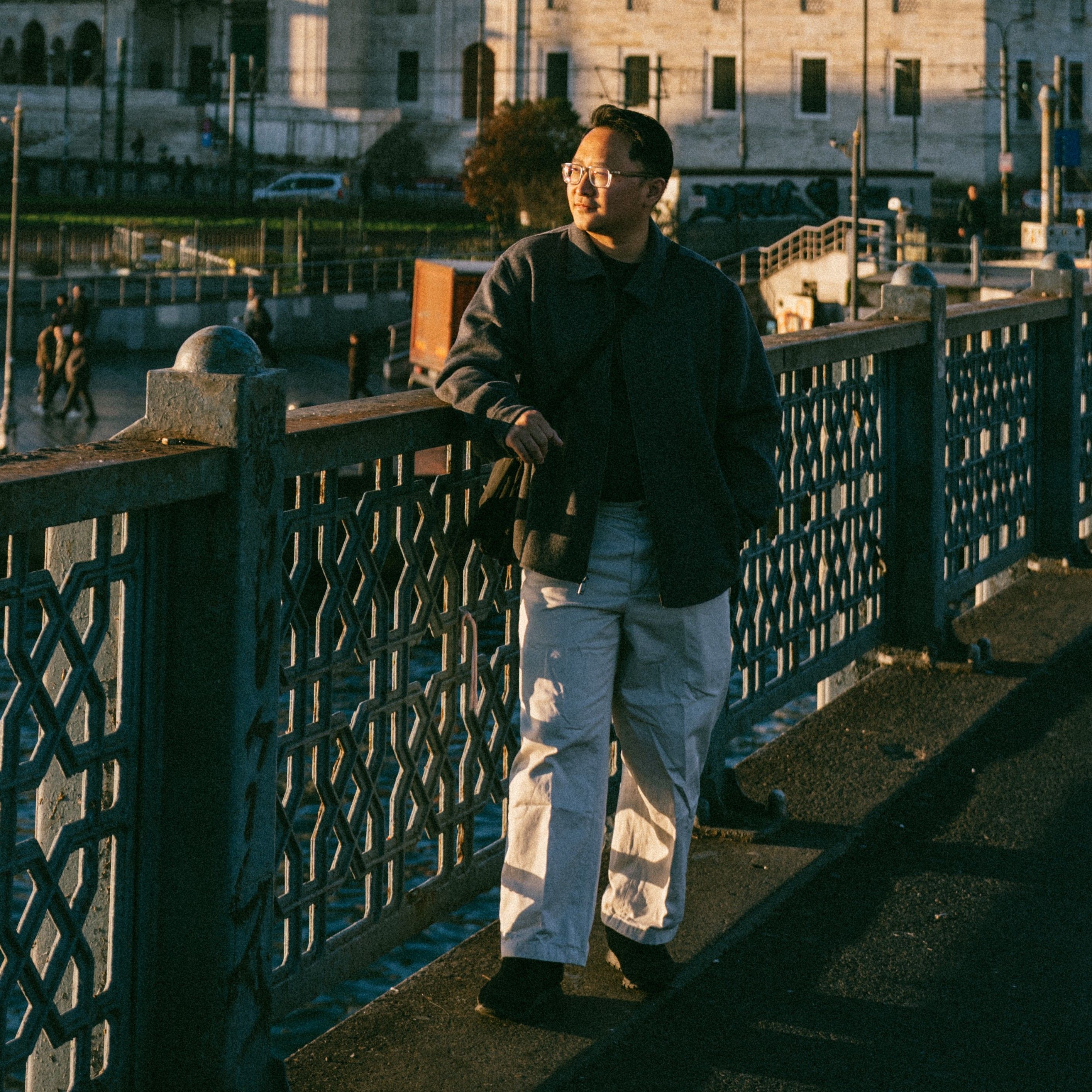
Kuala Lumpur-based travel and street photographer Ming Han is drawn to the atmosphere of a place: dramatic landscapes, architecture, changing light and the everyday moments that make a destination feel alive.
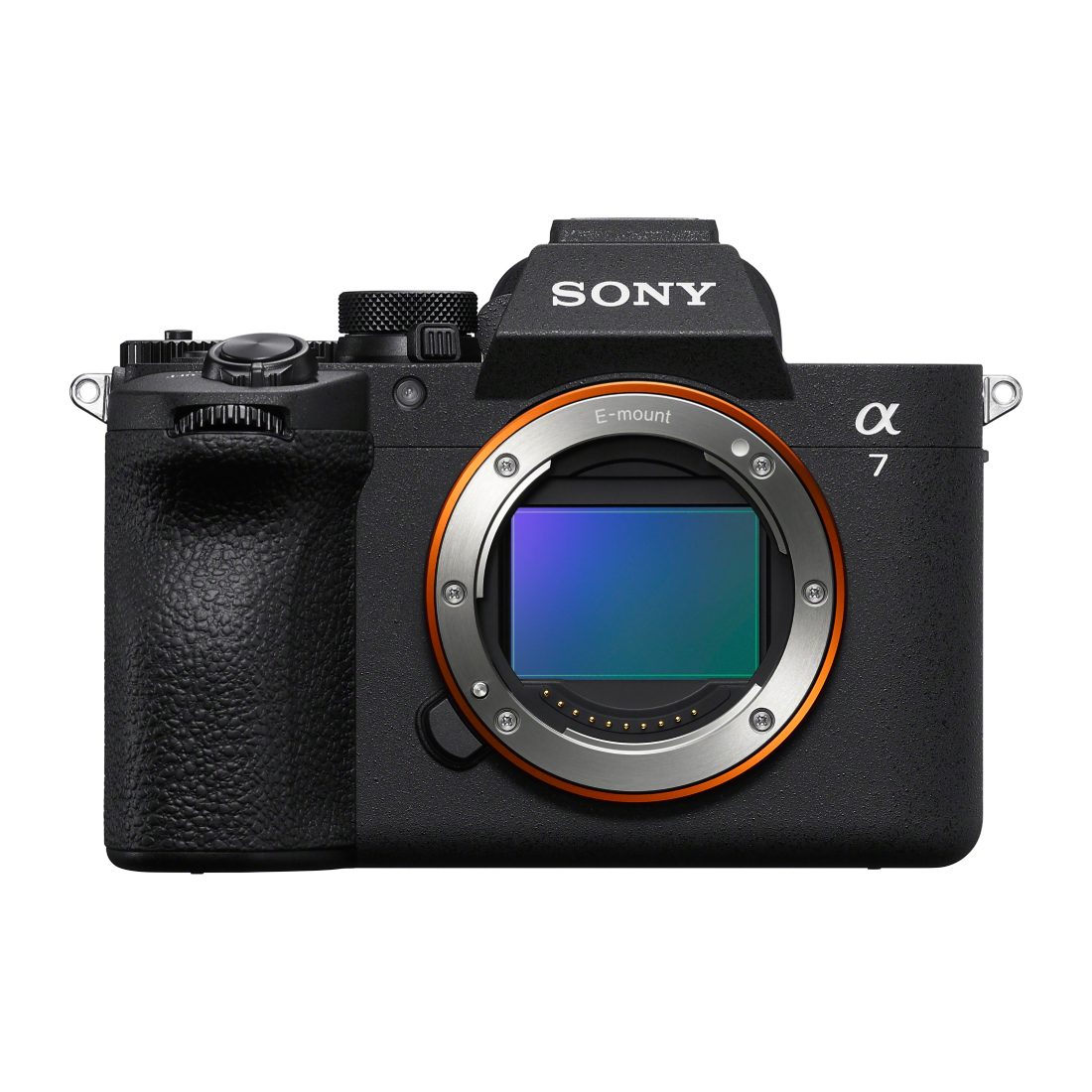
He began photographing travels with friends and family using a Sony Alpha 7 III in 2018. Today, his observational approach blends landscapes with street photography, telling stories through stills and short-form video.
For him, lens choice starts with a question: What do I want people to notice in this scene?
01 / The one-lens challenge
If you could bring only one lens, which would it be?
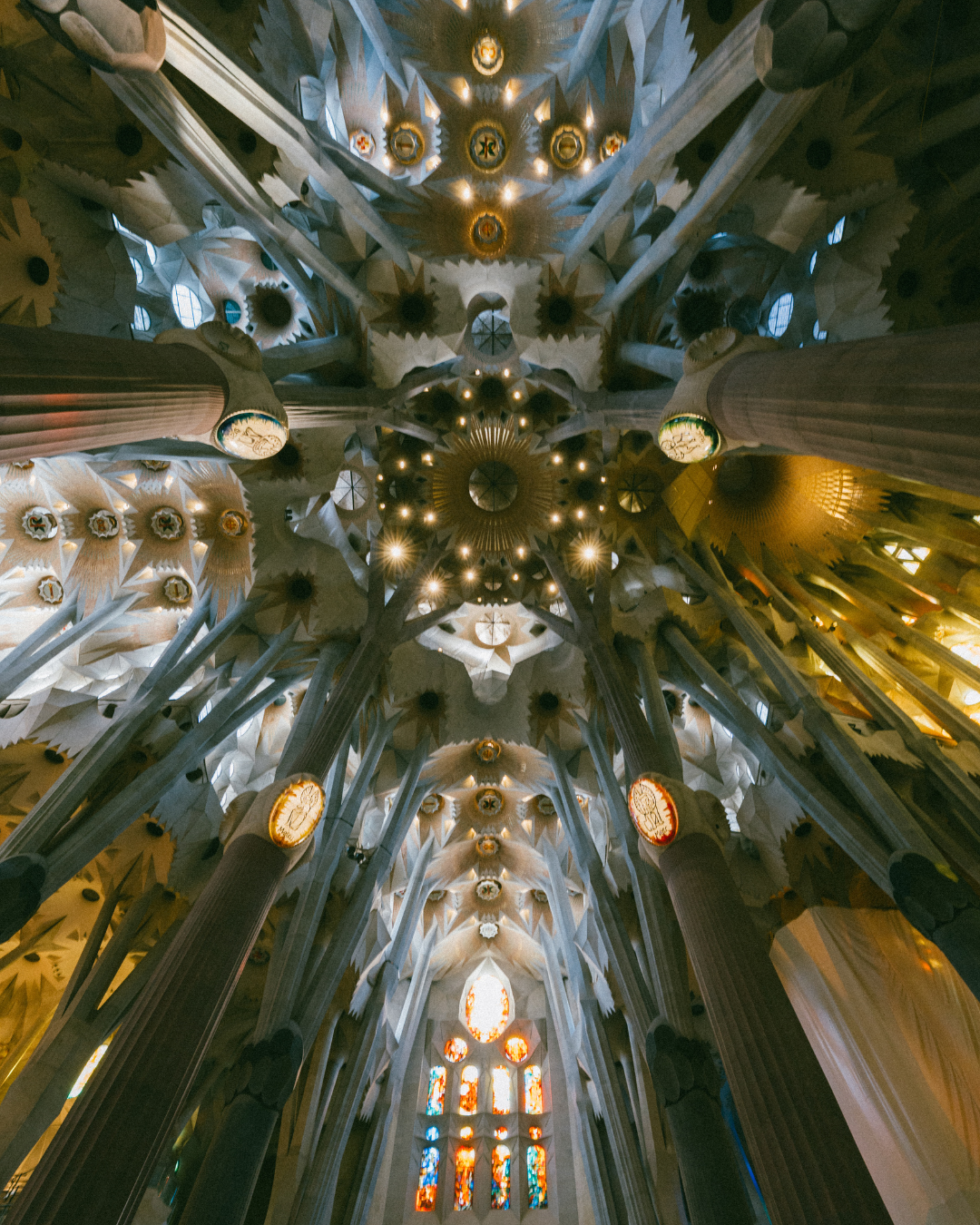
For Ming Han, it's the FE 16–35mm F2.8 GM II. The zoom range covers the wide scenes he loves—landscapes, buildings and streets—while giving him flexibility throughout a day of walking and photographing.
Take in the whole scene
Show the scale of a landscape, the height of a building or the atmosphere of a destination.
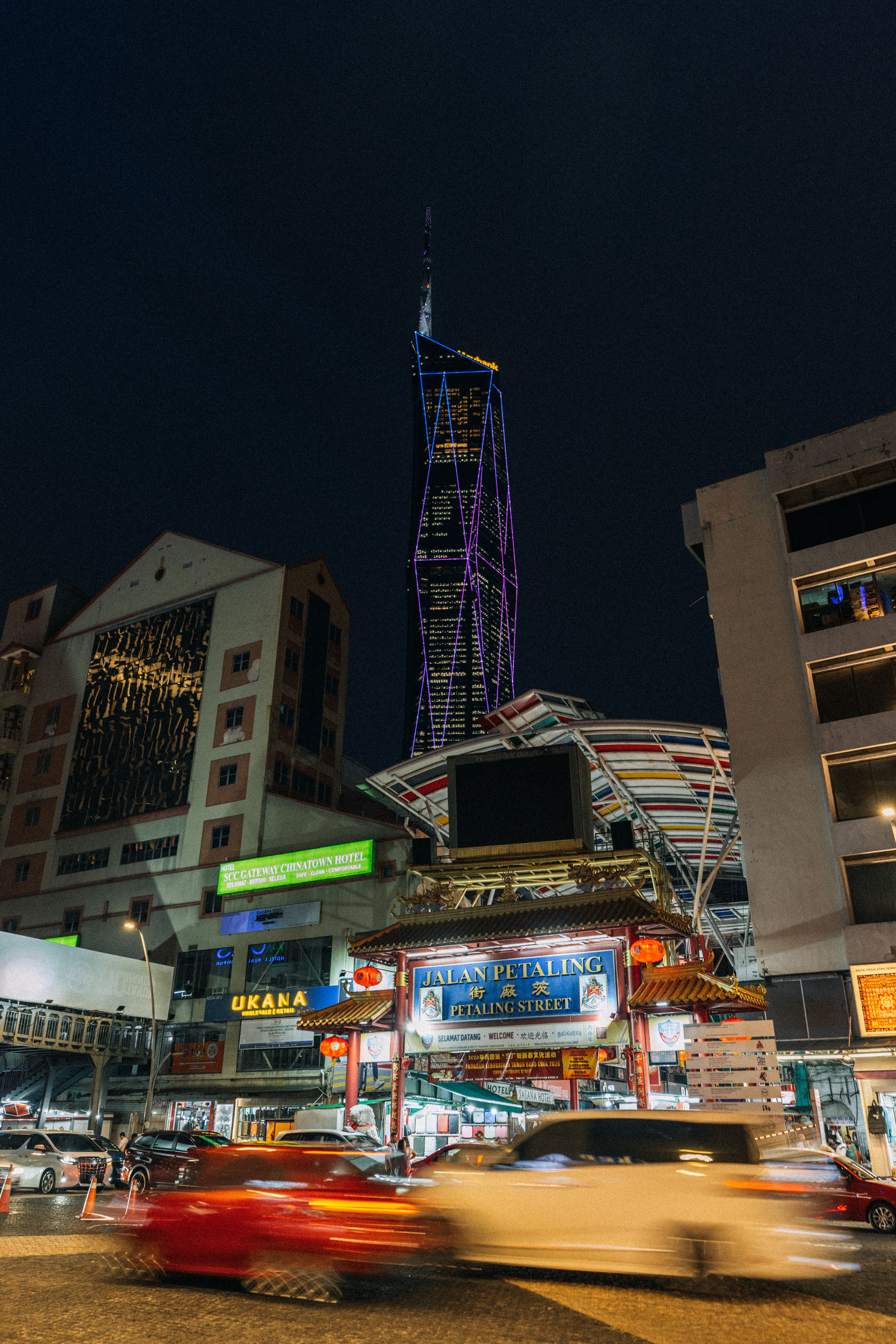
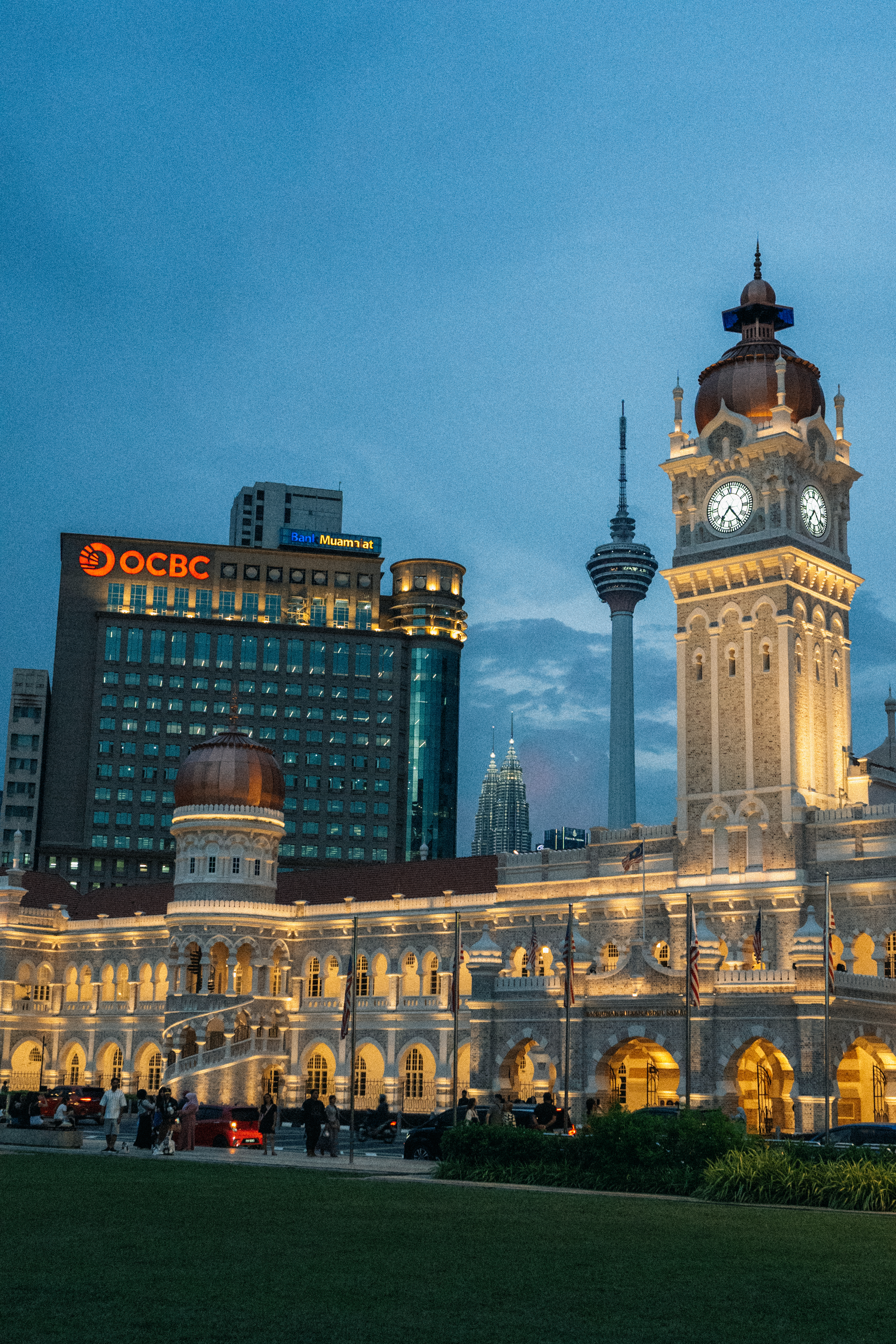
Find everyday moments
Capture streets, people and the setting around them with a less expansive perspective.
02 / Three ways to see a place
Wide. Standard. Telephoto.
What's the difference?
Different focal lengths change what you include in a photograph—and what you ask the viewer to notice. Explore Ming Han’s three preferred perspectives.
Explore by what you shoot
| Landscapes & architectureGo wide · 16–35mm ↓ | Street & peopleEveryday moments · 28–70mm ↓ | Distant detailsBring details closer · 50–150mm ↓ |
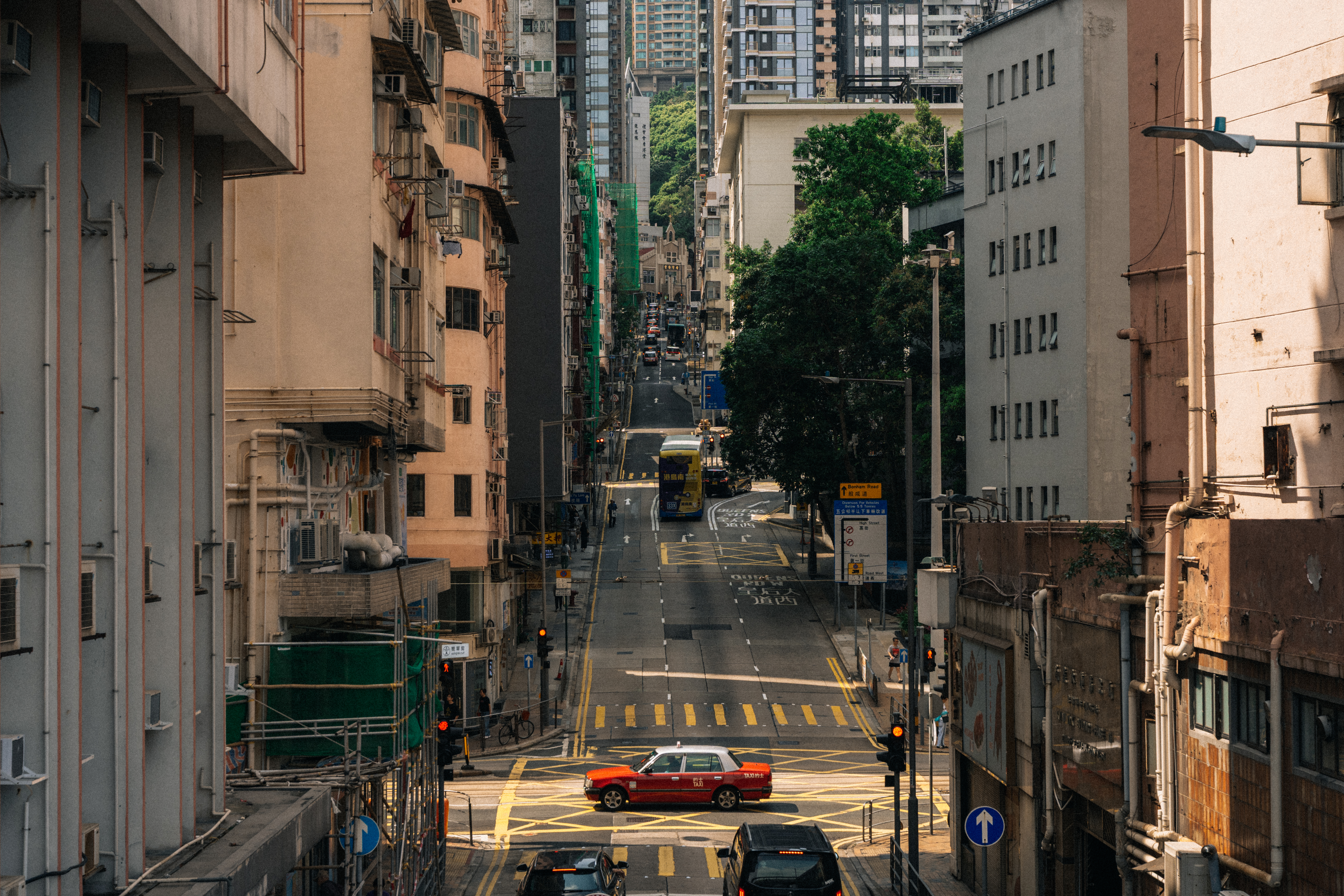
Wide / 16–35mm
Show the world.
Bring the surroundings into the story: landscapes, architecture, interiors and environmental street scenes.
FE 16–35mm F2.8 GM II
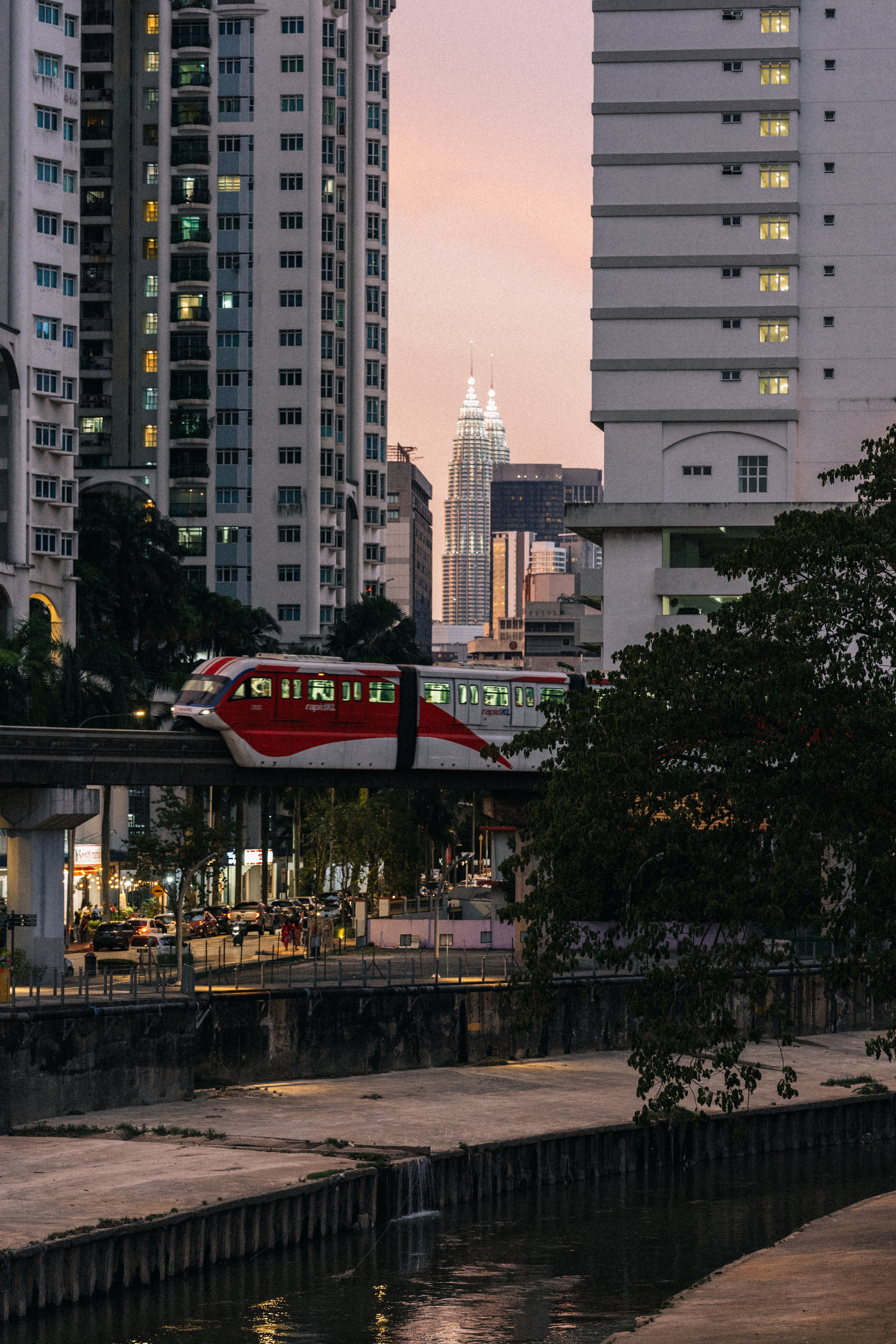
Standard / 28–70mm
Find the moment.
Focus on people, expressions, everyday scenes and lifestyle moments. The F2 maximum aperture provides creative options in low light.
FE 28–70mm F2 GM
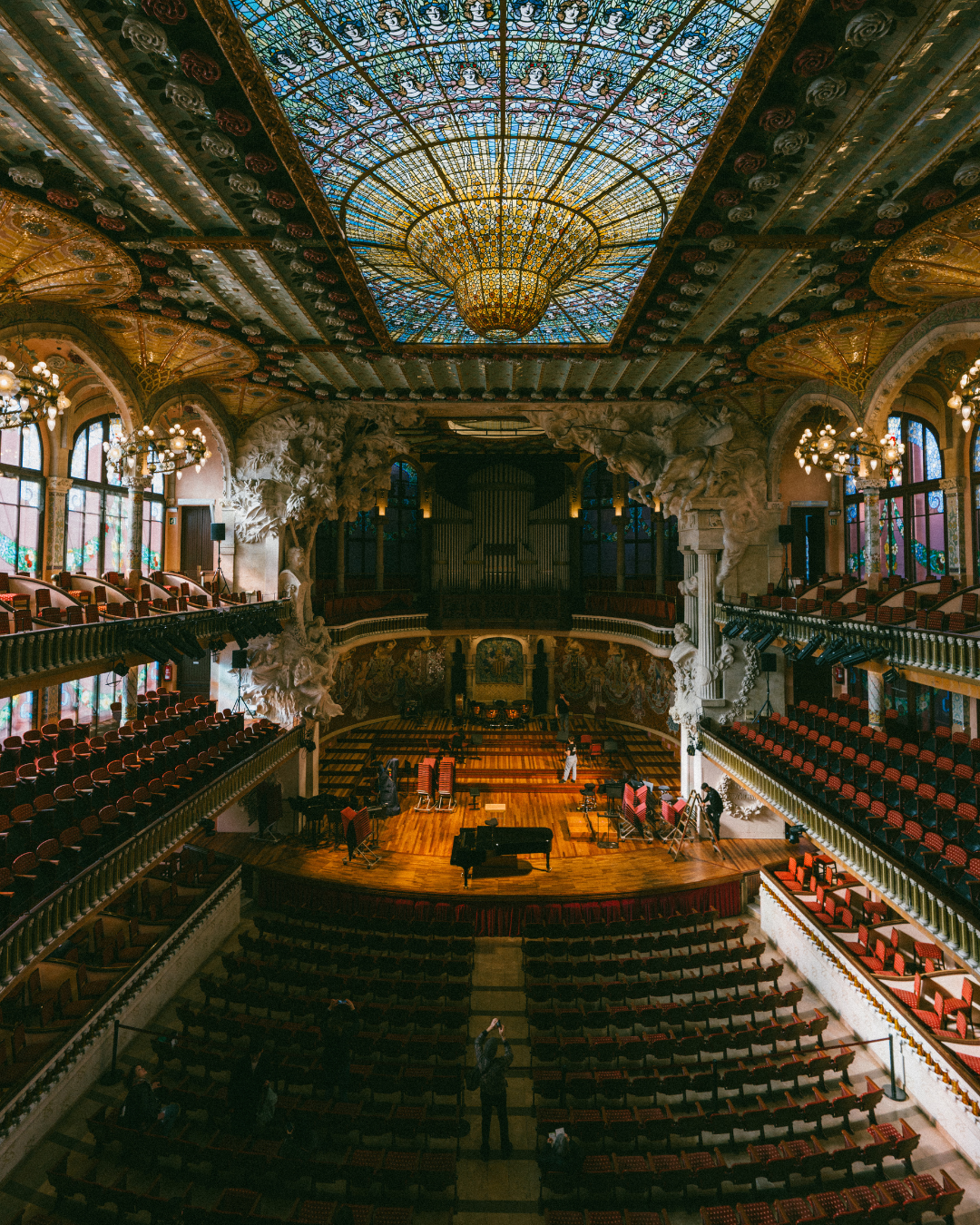
Telephoto / 50–150mm
Discover the details.
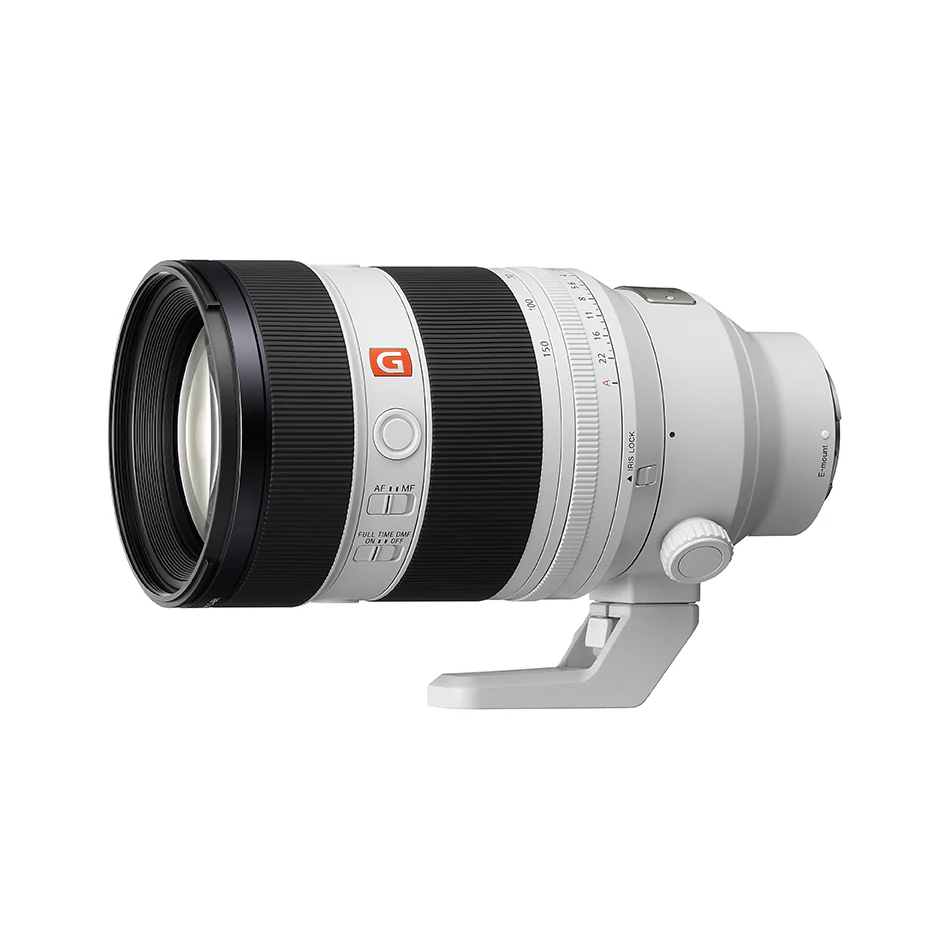
Isolate distant subjects, frame tighter compositions and emphasise layers through telephoto perspective.
FE 50–150mm F2 GM
These are Ming Han's preferred high-performance creative options—not a recommendation that every traveller carry three large-aperture zooms.
03 / Beyond the gear
A better travel photo starts before the shutter.
Ming Han's approach is about noticing light, people and the environment first. Changing your perspective can make a familiar destination feel new.
01 / Observe
Look before you shoot.
Notice light, colours, layers and people. A passing moment can transform an ordinary scene.
02 / Include
Let the place speak.
Show the architecture, streets or scenery around your subject instead of always cropping tightly.
03 / Adapt
Work with what you find.
When the weather changes, look for details, interesting colours and new compositions.
04 / Your next travel lens
What should you actually pack?
Ming Han's advice for beginners: identify what your current lens cannot do before buying another. Start with the photographs you already love taking.
Can't fit the whole scene?
Explore a wide-angle zoom for architecture, landscapes and tight spaces.
Always cropping distant subjects?
Consider telephoto reach for details and tighter compositions.
Want more flexibility for people or low light?
Explore a standard zoom or a wider-aperture lens. The FE 24–70mm F2.8 GM II is another all-round option Ming Han discussed.
Travelling light?
Prioritise what you shoot most. One versatile zoom can be easier to carry than several specialised lenses.
Just starting out?
Keep practising with your current camera or kit lens. Learn what you need before upgrading.
Not sure which lens?
Compare focal range, size, weight, budget and camera compatibility—not just maximum aperture.
05 / Travel lens FAQ
Travel lens questions, answered.
Quick answers to common questions about what to bring on a photography trip.
What is the best lens for travel photography?
For Ming Han's landscapes, architecture and environmental street photography, the Sony FE 16–35mm F2.8 GM II is his go-to. The FE 28–70mm F2 GM suits a different approach focused on people and lifestyle; the FE 50–150mm F2 GM is an option for distant details.
Is a 16–35mm lens good for travel photography?
Yes, particularly for sweeping landscapes, architecture, interiors and environmental street photography. It lets you change between expansive scenes and tighter wide-angle compositions.
Should I choose a 16–35mm or 24–70mm lens for travel?
Choose based on what you shoot: a 16–35mm lens favours wide architecture and landscapes, while a 24–70mm lens offers a more general-purpose range for people, everyday moments and details.
What travel lens should a beginner buy?
Start with the lens you own, including a kit lens. Identify which shots you struggle to make before spending on another lens; consider budget, weight and camera compatibility.
Do I need a telephoto lens for travelling?
Not necessarily. It can be useful for distant subjects, architectural details and layered scenery, but it adds weight and is not essential for every style of travel photography.
How do I choose a lightweight travel lens?
Compare the official size and weight of lenses that cover your most-used focal lengths. A single versatile zoom may make more sense than carrying several specialised lenses.
Find your perspective
Don't just capture where you've been.
Show how it felt.
The right travel lens helps you decide what deserves attention: the entire landscape, a fleeting street moment or a detail hidden in the distance.