


Getting into birding and wildlife photography can feel more complicated than it needs to be. You might think you need a huge telephoto lens, an expensive camera setup and plenty of technical experience before you can capture anything worth keeping.
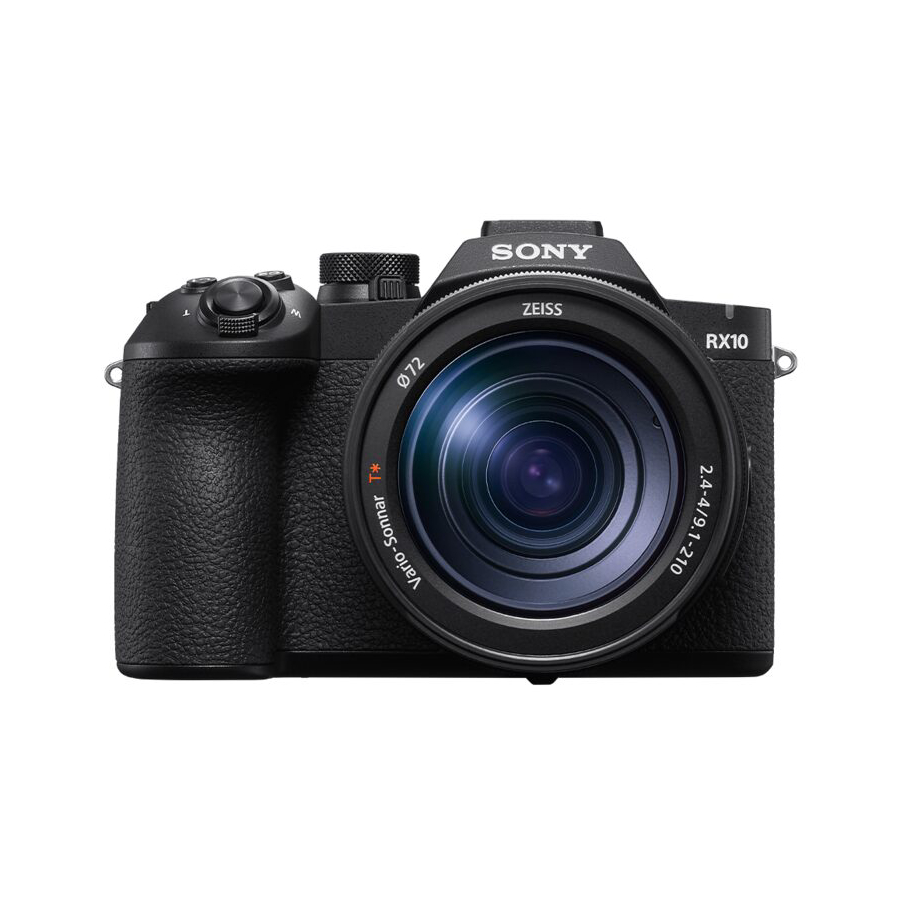
But for beginners, the best camera is often the one that makes it easier to simply get out there and start shooting. That is where the RX10 V comes in. If you have been looking for a camera to start your birding or wildlife photography journey, this could be the one.
You get the reach wildlife photography demands

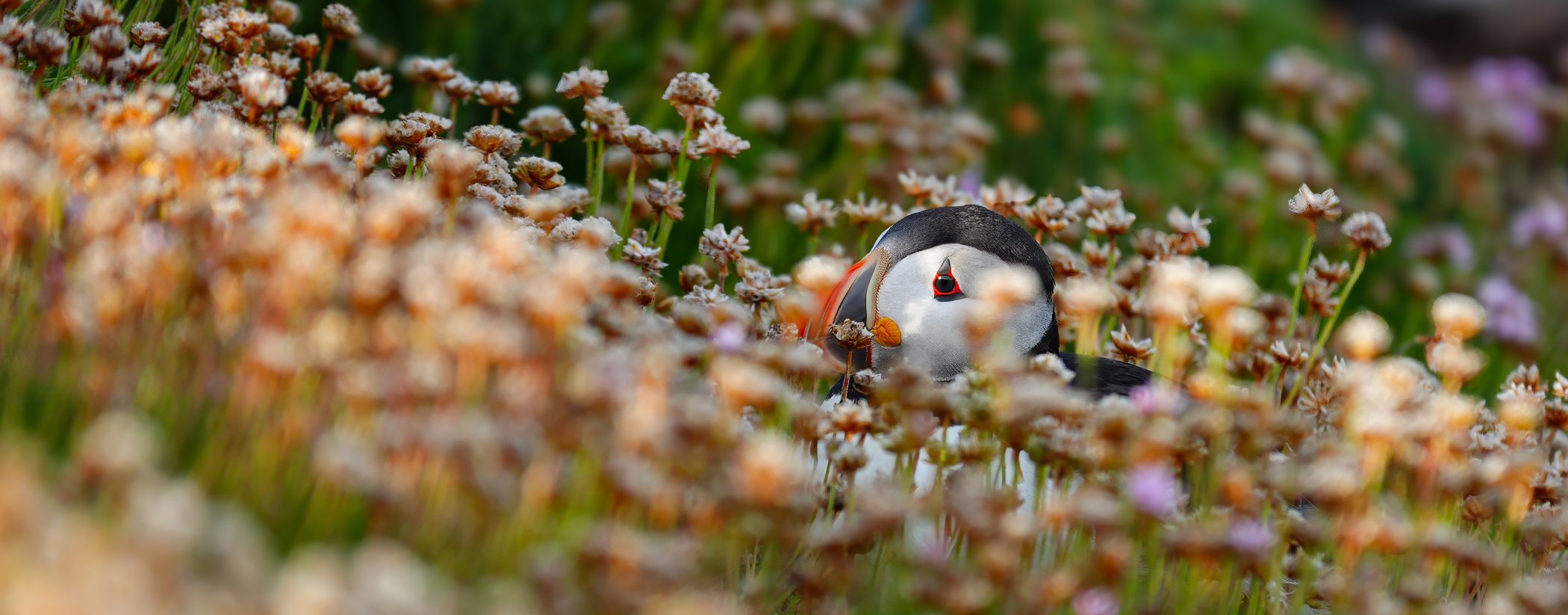
RX10 V | 210mm |1/1,000s | F4 | ISO 640
One of the first things beginners discover about wildlife photography is that your subject is almost never close enough. Birds perch high in trees. Animals stay across ponds, fields or trails. And getting physically closer is not always possible, or desirable. That is why a long zoom can make such a difference.
The RX10 V has an all-in-one lens with a zoom range extending from 24mm to 600mm, giving you the ability to bring distant wildlife closer in the frame without needing to carry multiple interchangeable lenses. Instead of wondering which lens you need or whether you brought enough reach, you can focus on spotting your subject and getting the shot.
It helps you capture moments that disappear in seconds

RX10 V | 159.4mm |1/5,000s | F4 | ISO 640
Wildlife does not wait for you to be ready. A bird can launch from a branch without warning. An animal can turn, jump or disappear into cover in a fraction of a second. For someone new to wildlife photography, those moments can be frustratingly easy to miss.
The RX10 V can shoot blackout-free at up to 30 frames per second, helping you follow fast action while capturing a rapid sequence of images. That gives you more chances to catch the exact instant you wanted. When you are still learning your timing, having that extra speed can make getting the shot feel far more achievable.
AI-powered tracking takes some of the pressure off
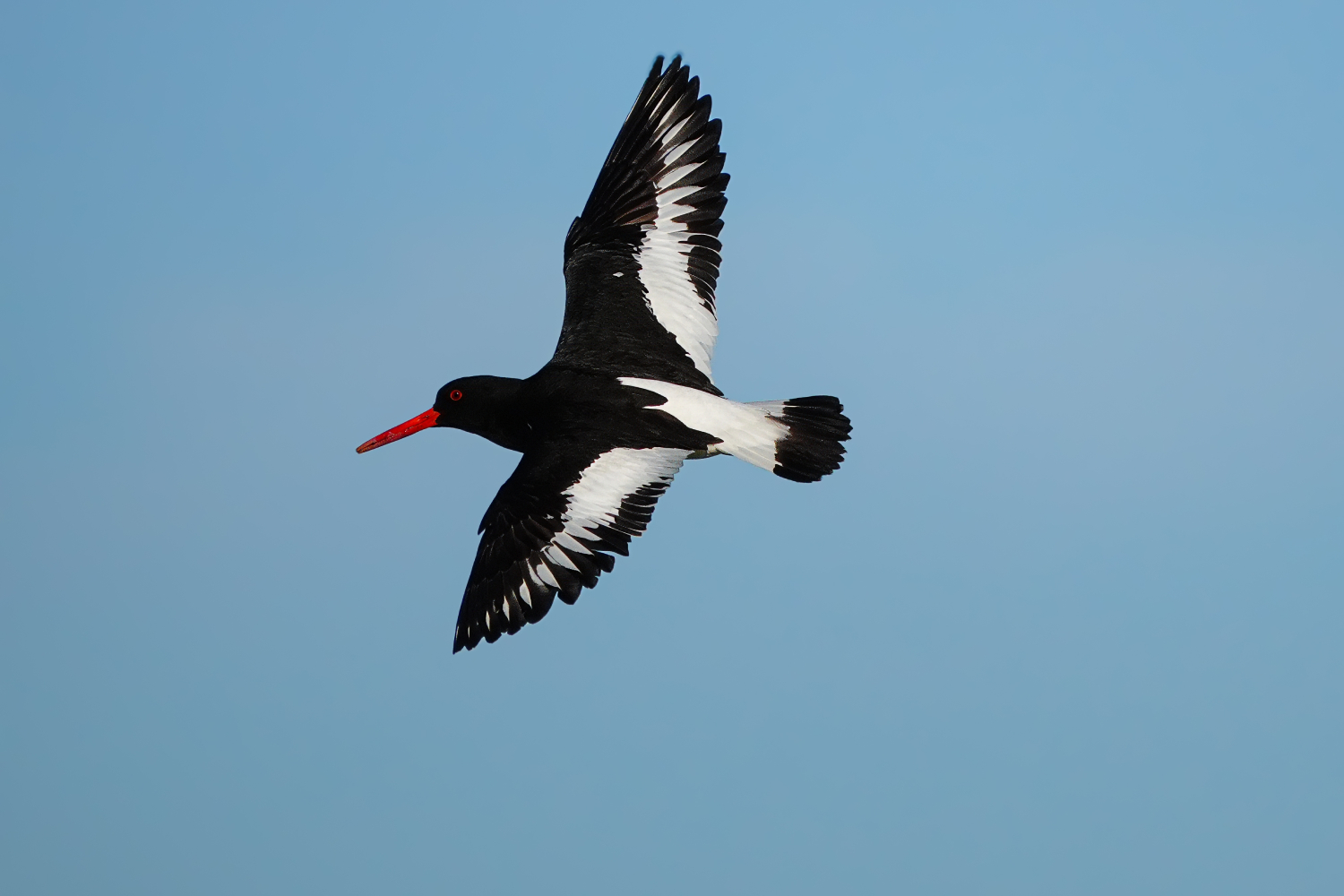
RX10 V | 210mm |1/12,800s | F4 | ISO 640
Spotting a bird is one thing. Keeping it in focus while it hops between branches or moves across the frame is another. The RX10 V uses AI-powered subject recognition and tracking to help identify and follow your subject as it moves.
Instead of spending the entire moment trying to keep a focus point perfectly positioned, you can pay more attention to framing, behaviour and what is happening around your subject. The camera helps with the technical work, so you can focus more on actually taking the photograph.
You can start without building an entire camera kit

RX10 V | 85.72mm |1/1,000s | F4 | ISO 2000
One reason bird and wildlife photography can feel intimidating is the amount of gear associated with it. Camera bodies. Long lenses. Lens changes. Heavy bags. For someone just starting out, that can quickly become a barrier.
The RX10 V takes a more straightforward approach by putting a versatile super-telephoto zoom and advanced shooting features into one all-in-one camera. That makes it a compelling option for beginners who want serious reach without immediately committing to a larger, more complex system.
Is the Sony RX10 V a good camera for beginners?

RX10 V | 210mm |1/500s | F4 | ISO 2000
If your priority is having enough zoom to photograph distant subjects, enough speed to capture unpredictable action and intelligent tracking to help keep moving wildlife in focus, the RX10 V covers many of the things a beginner is likely to need most.
More importantly, it lets you start learning by doing. You do not need to understand every camera setting before your first outing. You do not need a collection of lenses. With the Sony RX10 V, your first great bird or wildlife photo could be closer than you think.