


Is a 100–400mm Lens Good for Beginners? Photojournalist Vincent Thian Shares His Advice
If you’re starting out in sports, wildlife or outdoor photography, choosing your first telephoto lens can be challenging. How much reach do you need? What should you look for?
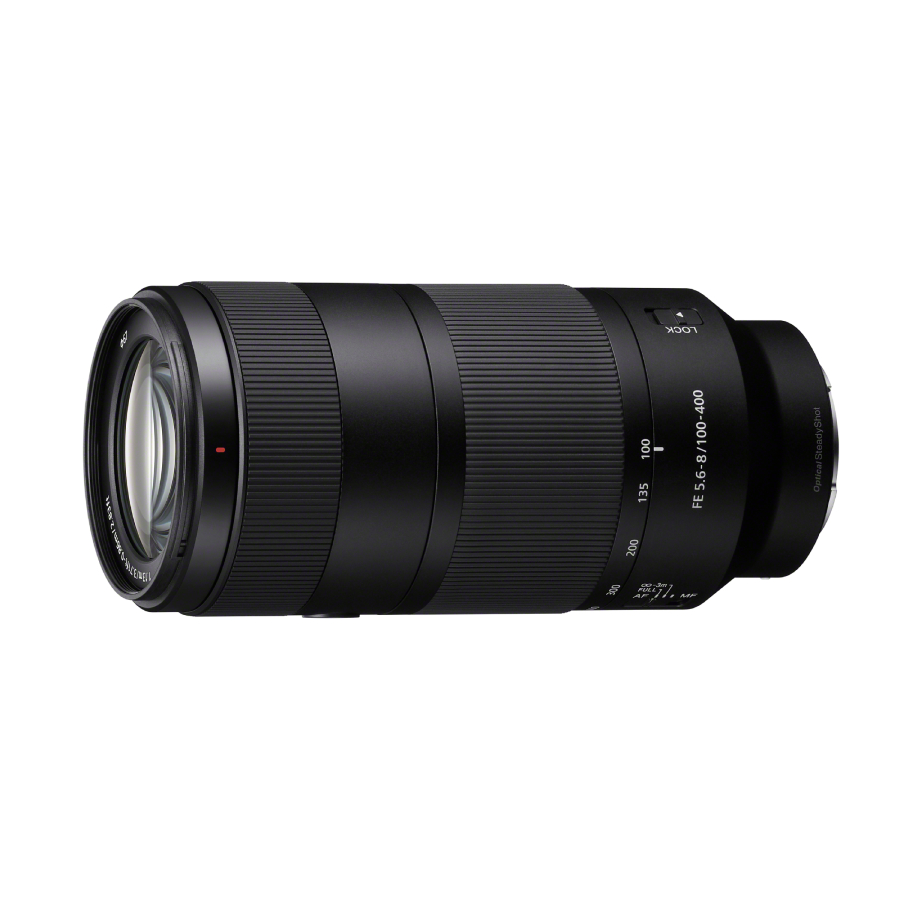
For Vincent Thian, a photojournalist who covers sports, events and news, the 100–400mm is one of his preferred focal ranges for daylight and outdoor photography.
Here’s what he recommends beginners consider.
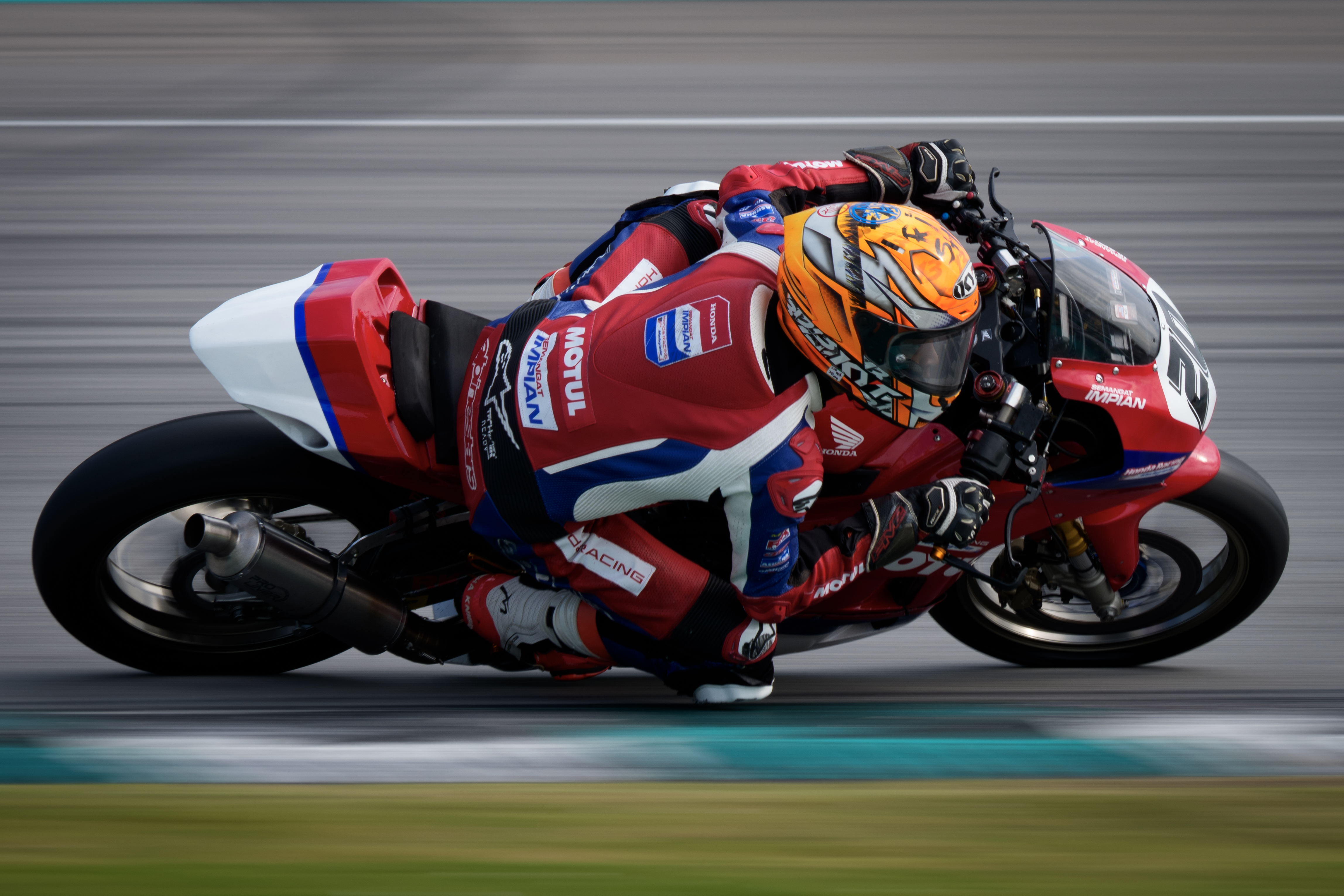
Α1II | SEL100400 | 381mm | F9 | 1/250s | ISO 100
1. Choose a focal range that gives you flexibility
When photographing sports, you often can't control how close you are to the action. A 100–400mm zoom lets you stay wider when your subject is nearby and quickly zoom in when the action moves further away.
The same flexibility applies beyond sports. Vincent recommends the range for bird photography, hiking, jungle trekking, travel and even photographing your children during sports day.
Simply put when you can't get closer, a 100–400mm helps bring the action to you.

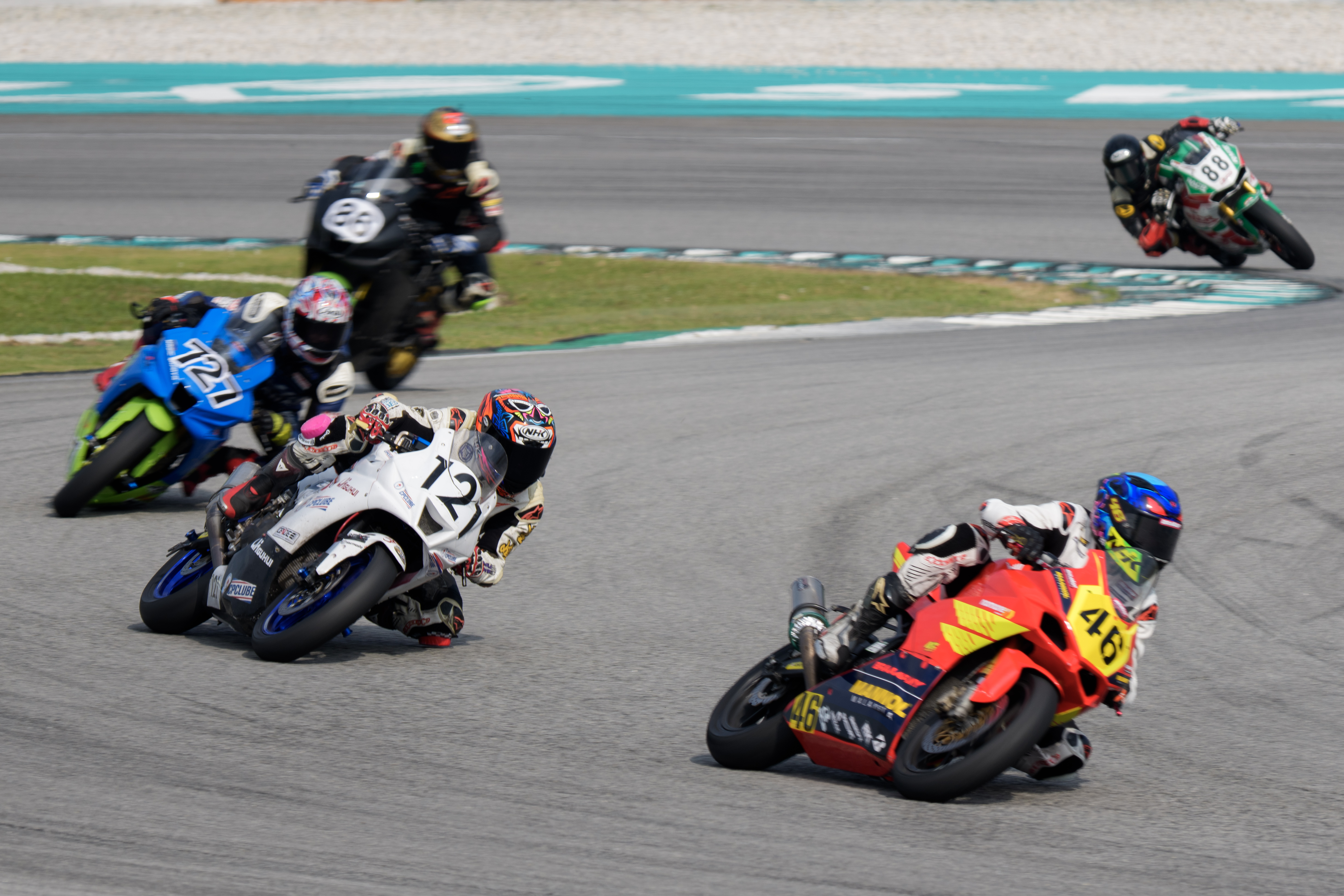
Α1II | SEL100400 | 400mm | F8 | 1/4000s | ISO 500
2. Don't overlook size and weight
For Vincent, compactness and light weight are important, particularly when carrying equipment throughout the day.
For beginners, a smaller telephoto setup is easier to bring along for travel, hiking or family activities while still providing substantial reach.
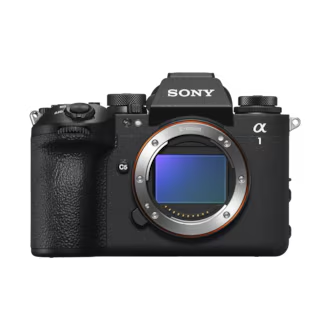
Vincent sees it pairing well with cameras such as the Sony α7C II or α7 IV for a practical full-frame setup.

3. Look beyond reach—autofocus and image quality matter
Getting to 400mm is only useful if you can capture the moment.
For fast-moving subjects, Vincent values quick and accurate autofocus together with sharp, clear image quality.
This is especially important when learning sports photography, where subjects can suddenly change speed or direction.
Instead of looking only at focal length, consider the combination of reach, autofocus performance and image quality.

Α1II | SEL100400 | 269mm | F11 | 1/250s | ISO 100
4. Know where a 100–400mm works best
Vincent considers the 100–400mm particularly suitable for daylight and outdoor photography.
A compact lens with a smaller maximum aperture will have limitations in darker environments, although well-lit venues or strong spotlights may still make shooting possible.
For those who need additional reach for birds or wildlife, a compatible 1.4× teleconverter also provides room to expand.

Α1II | SEL100400 | 348mm | F11 | 1/60s | ISO 50
Who should consider a 100–400mm?
You don't need to be a professional sports photographer to benefit from one.
For beginners interested in sports, birding, wildlife, travel or outdoor photography, Vincent sees the 100–400mm as a practical combination of reach, flexibility, sharpness and portability.
His advice is simple: think about where you'll be shooting. If you're mostly outdoors in good light and want to get closer to the action without carrying an oversized setup, a 100–400mm can be a practical lens to start with.
Explore the Sony SEL100400 today
Available now at all Sony Authorized Dealers