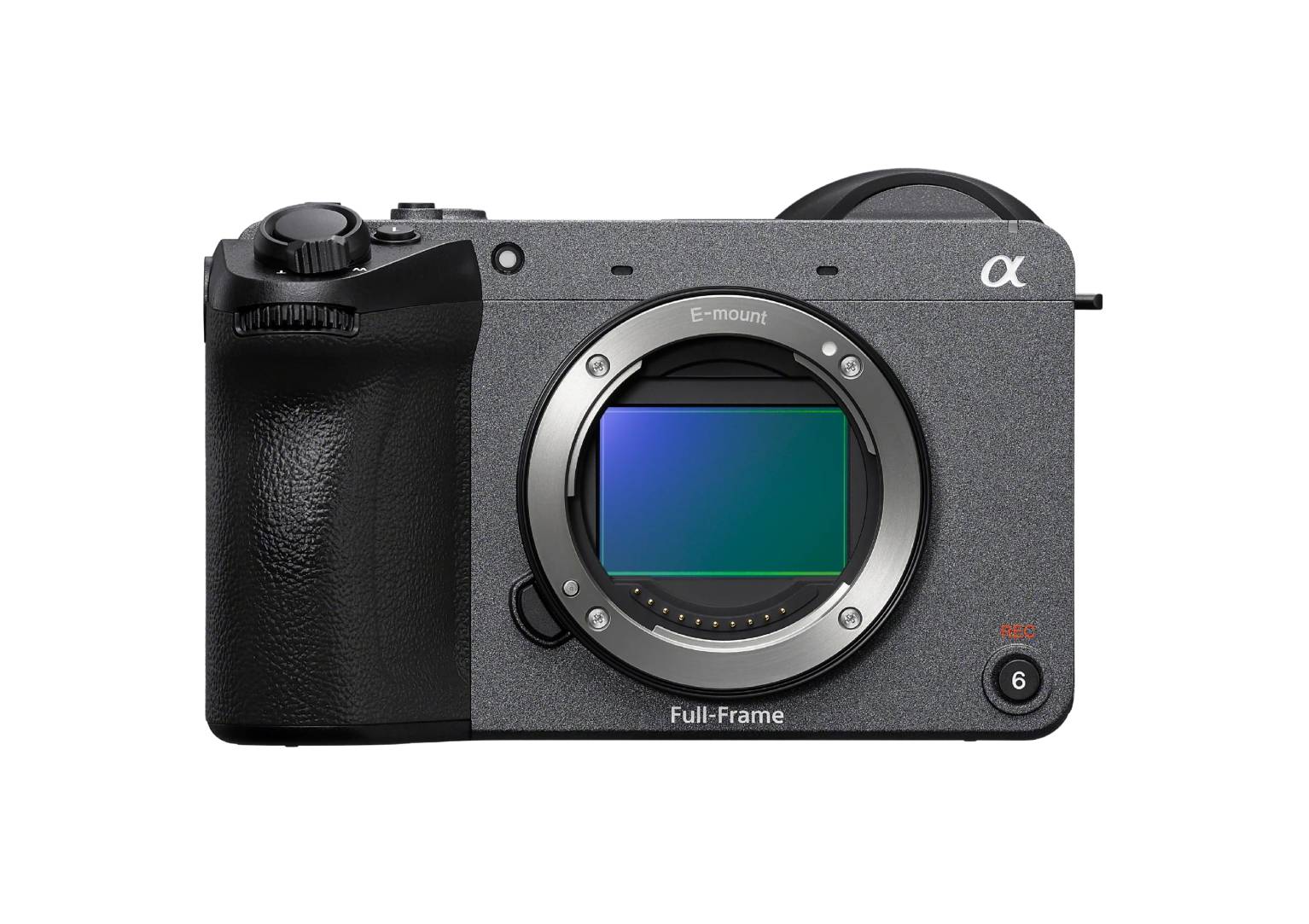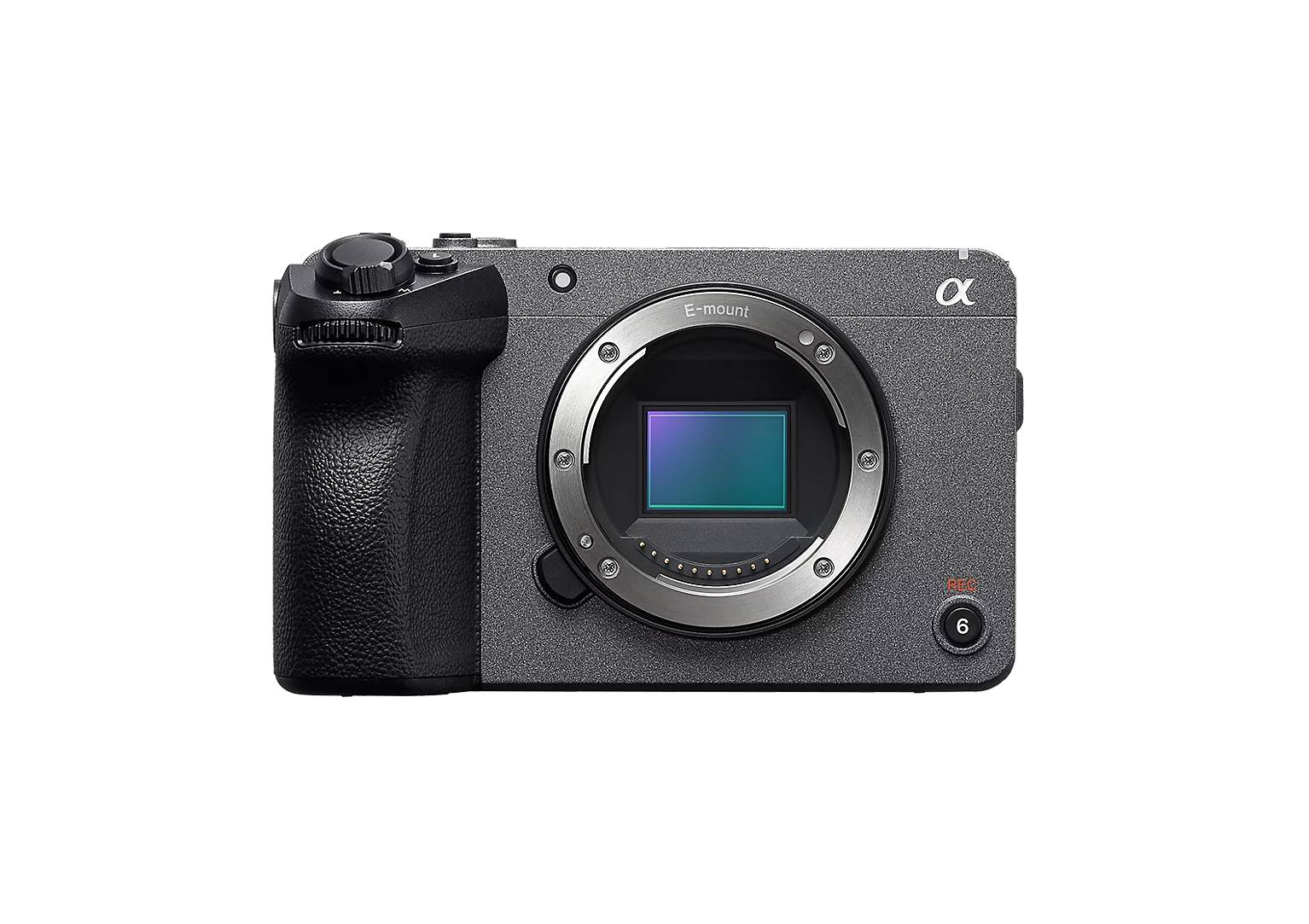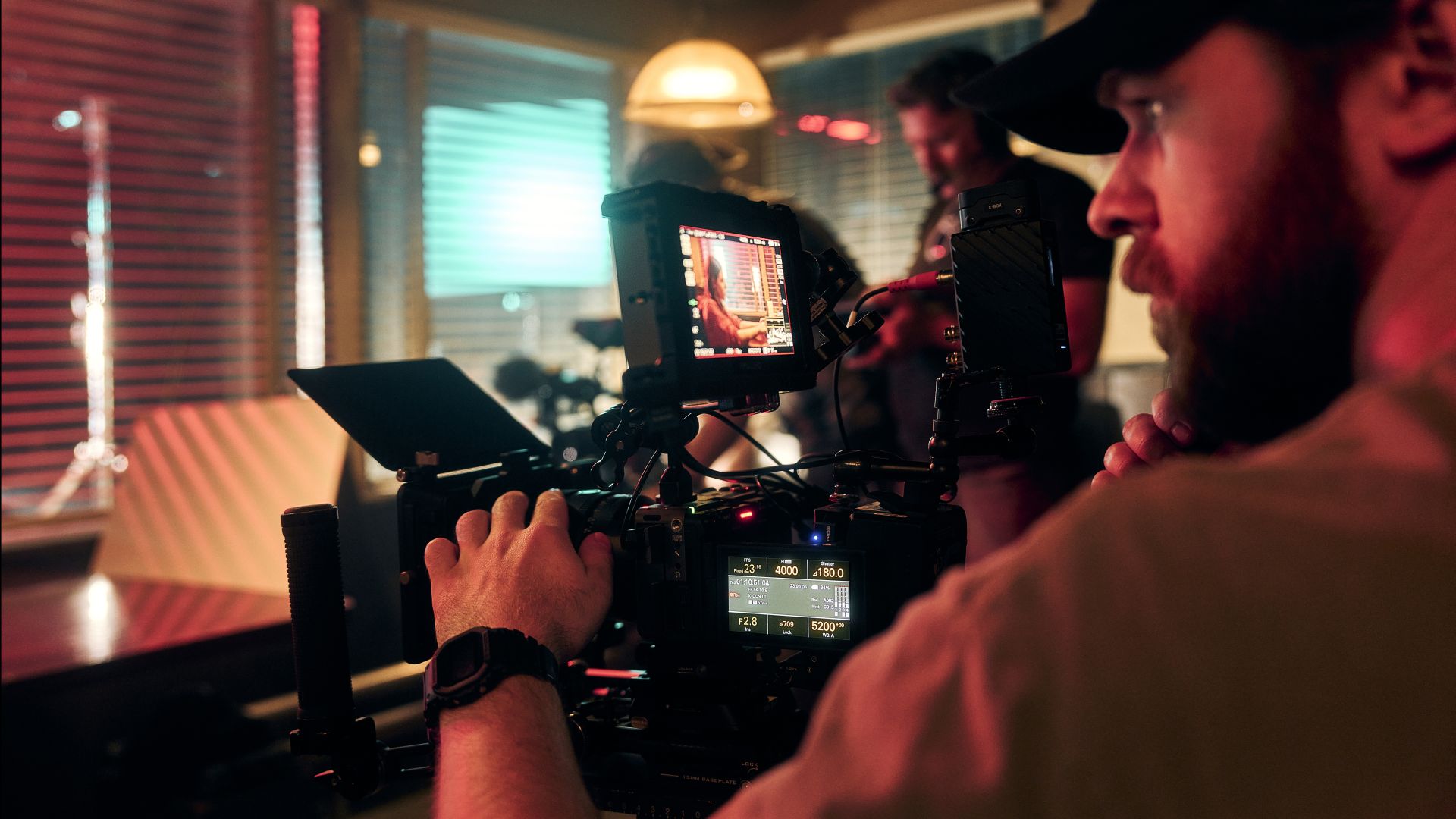



Most students who enrol in a film programme love cinema — but many have never actually held a professional camera before their first class. A media programme's job is to close that gap, building genuine technical fundamentals aligned with industry standard. The institutions that do this best don't just buy newer cameras — they build a deliberate equipment progression that meets students at their skill level and grows with them toward the systems used across the professional industry.

Sony Cinema Line Camera Capabilities
- Full-frame & Super 35 sensors — cinematic depth of field and professional image quality in both stills and video.
- S-Cinetone® & S-Log3 — Sony's professional colour science, consistent with film and television production workflows.
- Cine EI mode simplicity — operates with the same straightforward logic as traditional film cameras, letting students focus on shooting and expression rather than complex settings.
- Common E-mount across Cinema Line & Alpha — lenses are shared across the fleet; one mount, full selection of lenses.
- Compact, lightweight bodies — suited to gimbal use, student loan for field usage, and high-frequency daily handling.
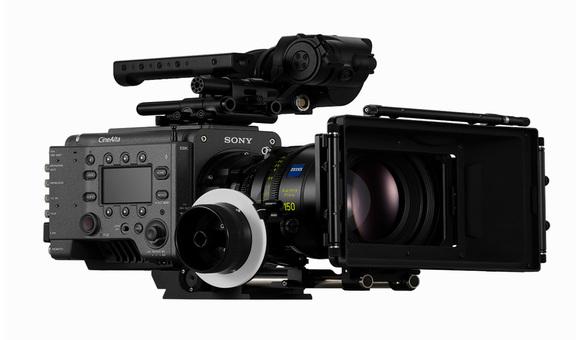
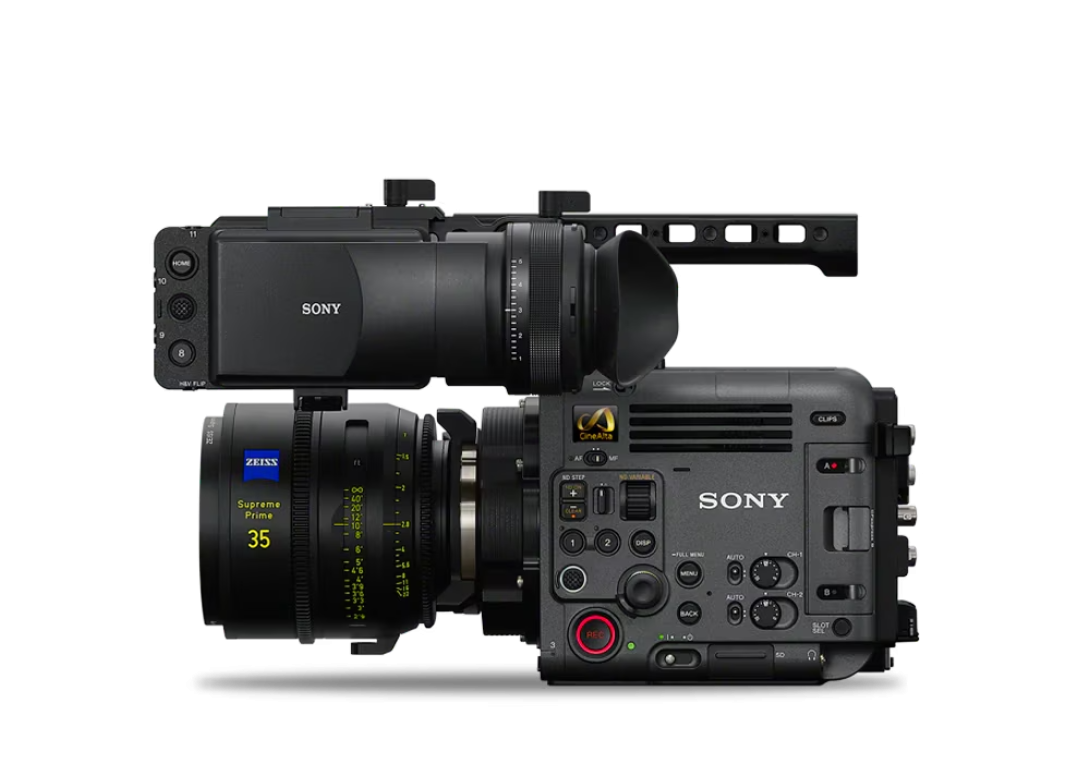
- Consistent menu & operation across the lineup — students who learn on a compact body find the flagship body immediately familiar as they progress, thanks to the same menu system.
Case Study: Nihon University College of Art, Department of Cinema
Building genuine cinematography fundamentals, one camera stage at a time
THE CHALLENGE
Most incoming students love cinema but have never handled a professional camera. The Cinematography & Sound Recording course needed to build real technical fundamentals — camera mechanics, lens optics and exposure — starting from zero, rather than assuming prior knowledge.
SONY'S APPROACH
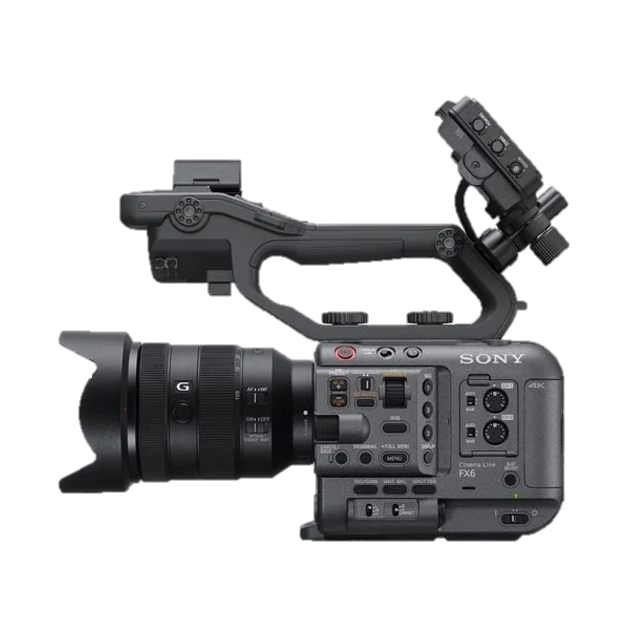
The department built a deliberate equipment progression. The compact FX6, with physical buttons ideal for hands-on technical instruction, enables beginners to learn core cinematography skills on an intuitive camera. As students advance, the same operational experience carries directly to the flagship FX9. Cine EI mode also mirrors the film-based teaching approach the department has used for decades.
THE OUTCOME
Students develop genuine cinematography fundamentals through an equipment pathway matched to their skill level, graduating already fluent on the camera systems widely used across Japan's television and production industry.


DEPLOYED
Cinema Line FX9, FX6 & FX30 — a progressive fleet matched to student skill level, sharing one E-mount lens system throughout.
Developing future leaders: Cinema Line cameras contributing as educational tools
Case Study: Tama Art University
Nurturing student creativity with the FX30
CONTEXT
Tama Art University operates a shared Media Center that loans filming equipment and manages studios available to students across every department. In April 2023, the university introduced Sony's Cinema Line FX30, which quickly became a popular choice for projects ranging from documentaries and field research to event recording. Its cinematic image quality has made it especially valued by students pursuing creative work across different disciplines.
DEPLOYED
Cinema Line FX30 — selected as part of a Cinema Line ecosystem built around the common E-mount, providing broad lens compatibility and an industry-standard platform for student learning.
Difficult to select what camera fit the best? Our selection guide can help you
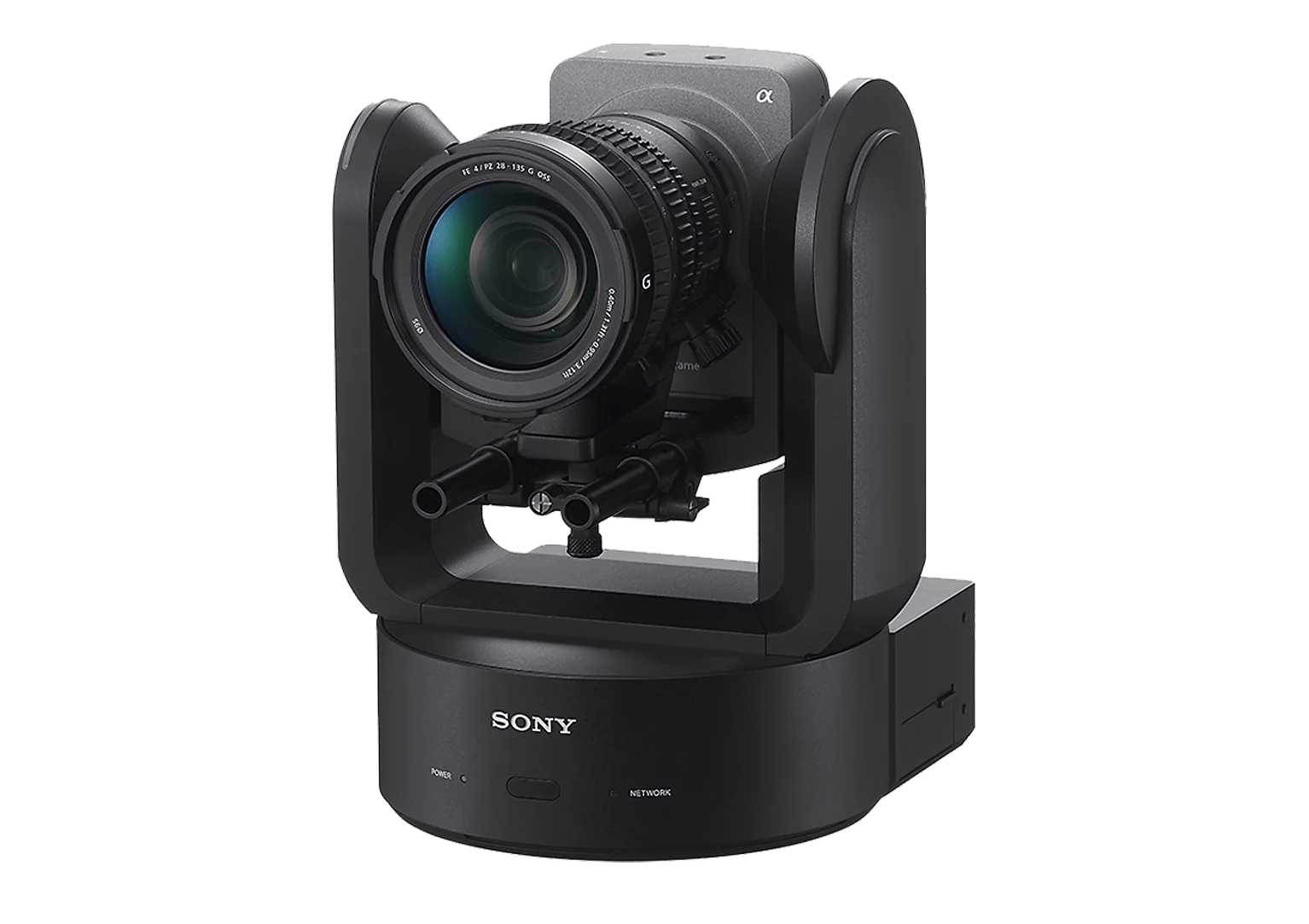
Want to know more about the line-up of Cinema Line & Alpha cameras? If you want to understand the full line-up and which camera fits which scenario, we've prepared a guide for your reference.
A phased path on one platform
Whether a programme is starting students on their first camera or advancing them toward flagship bodies, the strategic objective is consistent: match the equipment to the student's skill level while keeping every stage on one lens system. Sony's Cinema Line and Alpha ecosystem enables this progression without redundancy — nothing purchased for a beginner cohort is wasted as they advance.