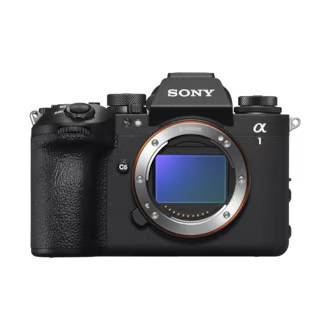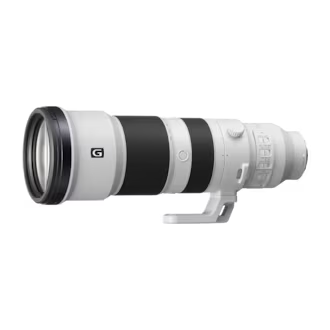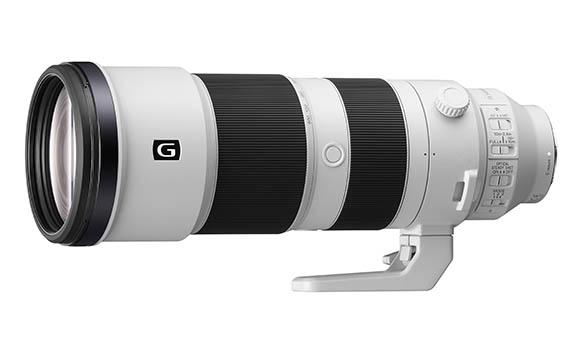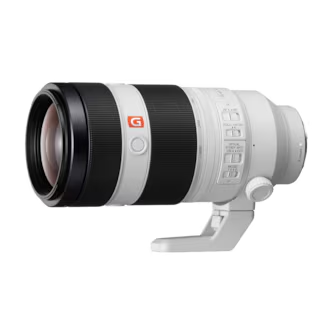
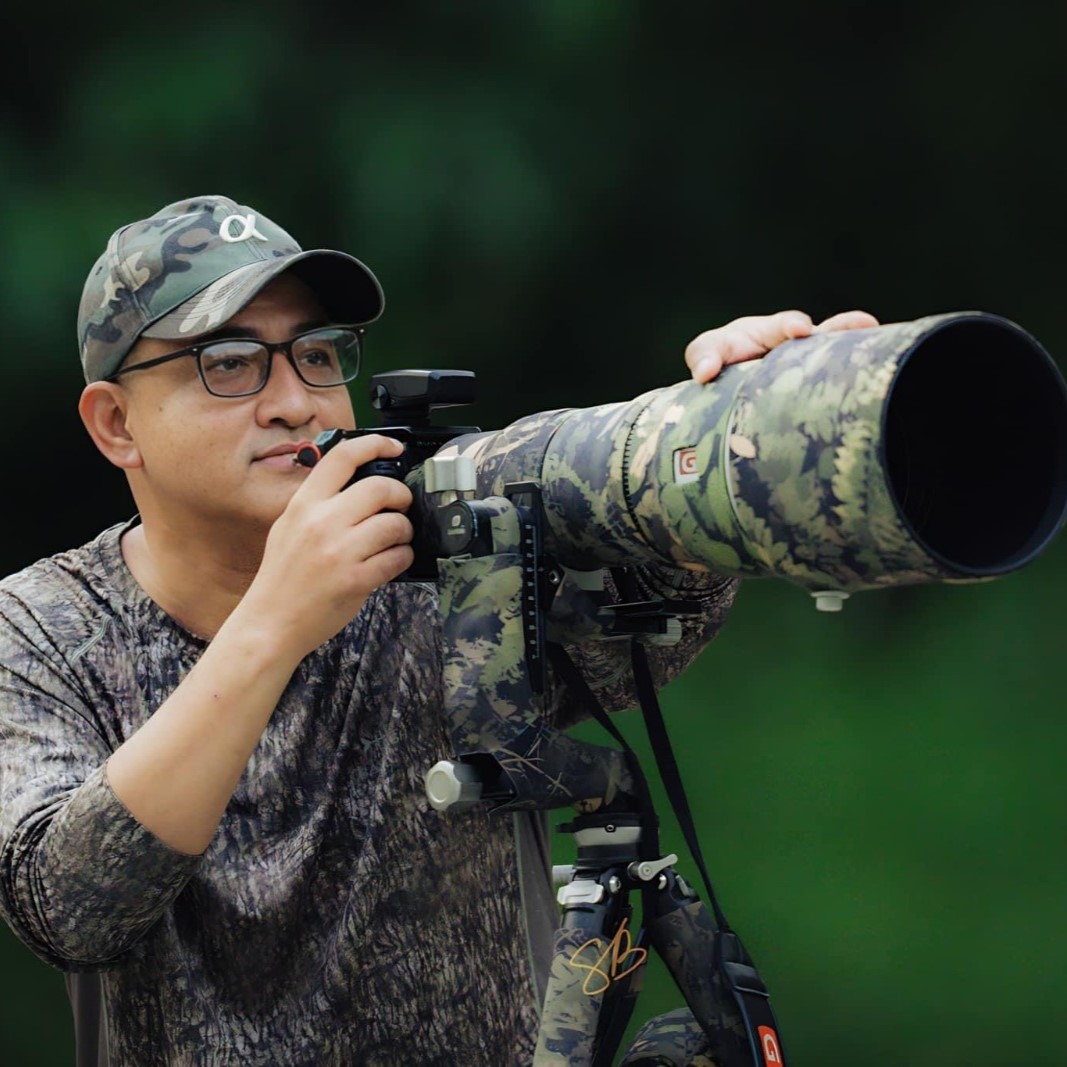


Nur Ismail, a Sony Alpha Guru since 2020.
He began his journey in 2012 with landscape and cityscape photography, later expanding into bird photography in 2019.
A certified holder of the Sijil Kemahiran Malaysia (SKM), he actively conducts workshops and leads photography trips, sharing his expertise with photographers of all levels.
In this article, we explore his journey into bird photography, along with practical tips and recommended settings.
Journey into Bird Photography
“Why Bird Photography?”
I was looking for a new genre to complement my landscape and travel work while relieving work-related stress. Bird photography offered both—serving as a form of forest therapy while deepening my connection with nature and environmental awareness.
Birds are fascinating, with their vibrant plumage and dynamic movements. The process itself is equally rewarding—the thrill of spotting them and patiently capturing the perfect moment.
Advances in technology have made telephoto lenses more accessible, lowering the barrier to entry. I also enjoy collecting bird images, with my lifer count now at 547 species out of 855 recorded in Malaysia.

Silver-eared mesia
Alpha α7RIII | SEL100400GM + SEL14TC | 560mm | F8.0 | 1/1000s | ISO 3200
“How do I make the transition from Landscape photography?”
Landscape and bird photography can coexist, as both use the same camera systems, with the main difference being lens reach.
With a landscape background, understanding exposure comes naturally, while adapting to changing light is key. Composition remains essential—using negative space helps create stronger images.
Ultimately, bird photography is about telling stories by capturing behavior and moments from the bird’s world.
Patience, Perseverance, Practice + Passion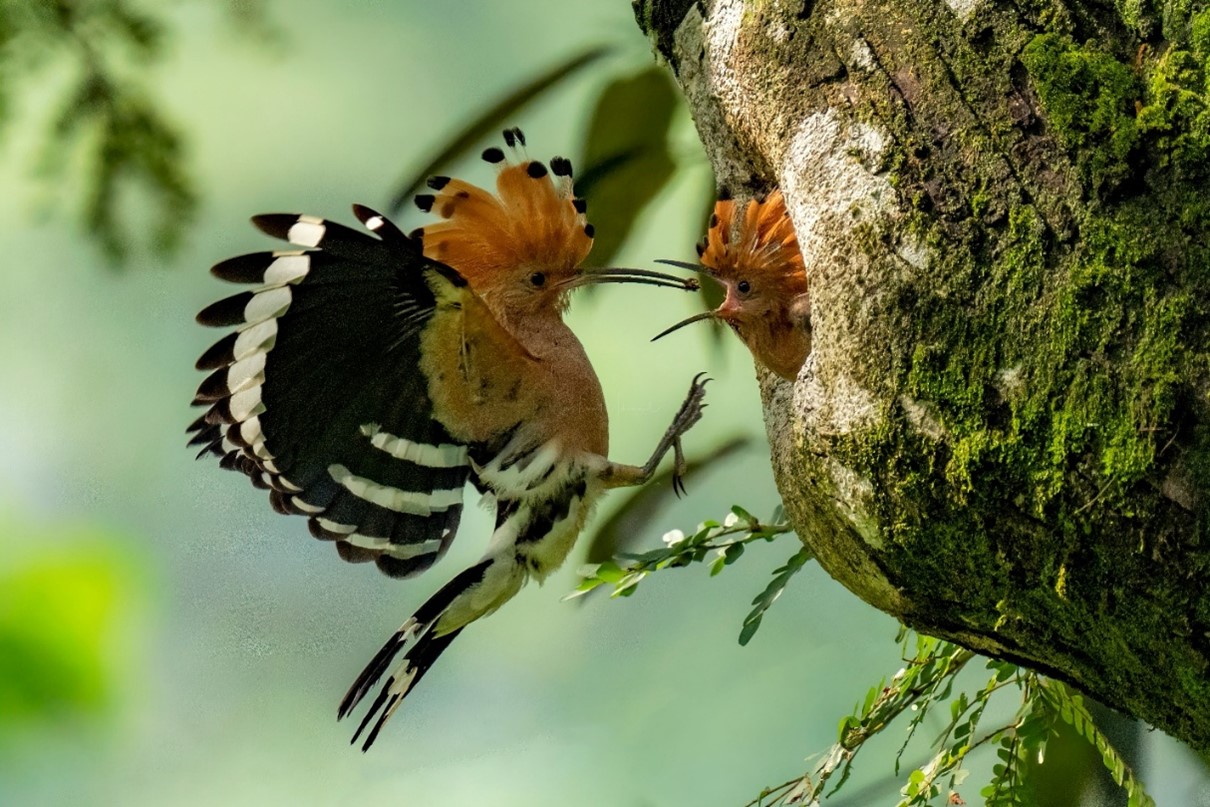
Eurasian hoopoe
Alpha α1 | SEL200600G + SEL14TC | 840mm | F9.0 | 1/1600s | ISO 3200
Birding Tips & Settings
“Bird Photography Tips”
- Research locations and weather; go with experienced birders if possible
- Wear suitable clothing and bring essentials (tripod, protection, etc.)
- Shoot early morning when the lighting is softer
- Be patient, understand your subject, and follow proper etiquette
“My Bird Photography Settings”

- Shoot in RAW for best results
- Use Aperture Priority (A) or Manual (M) with widest aperture
- Slight underexposure (-1EV) for richer colors
- Use burst mode (Hi/Hi+) for action shots
- Enable back-button focus (Programmed at the AF-ON button) and tracking AF
- Turn ON Silent Shooting and Steady Shot. Turn OFF the AF Illuminator, DRO, Audio Signals
- Use APS-C crop mode (1.5x) on high-megapixel cameras like Sony α1II, α1, α7RIV and α7RIII
- Use high-speed memory cards:
- SONY Tough G CF Express Type A cards (R: 800MB/s, W: 700MB/s), 160GB & 80GB
- SONY Tough G SD UHS-II cards (R: 300MB/s, W:299MB/s), 128GB & 64GB

Common kingfisher
Alpha α7RIII | SEL200600G + SEL14TC | 840mm | F9.0 | 1/100s | ISO 640

Banded kingfisher
Alpha α1II | SEL300F28GM + SEL20TC | 600mm | F5.6 | 1/25s | ISO 1600
 Atlantic puffin
Alpha α1 | SEL70200G2 | 200mm | F4.0 | 1/4000s | ISO 1600
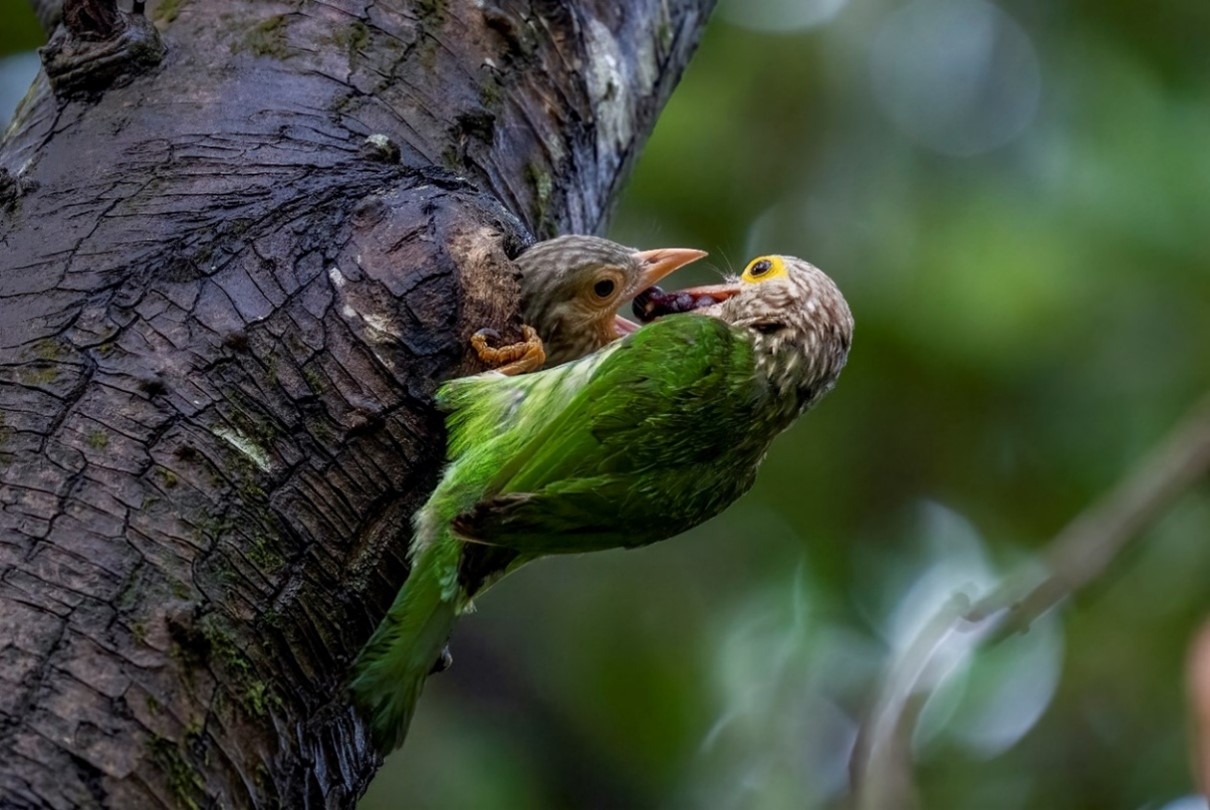
Lineated barbet
Alpha α1 | SEL200600G | 600mm | F6.3 | 1/400s | ISO 3200
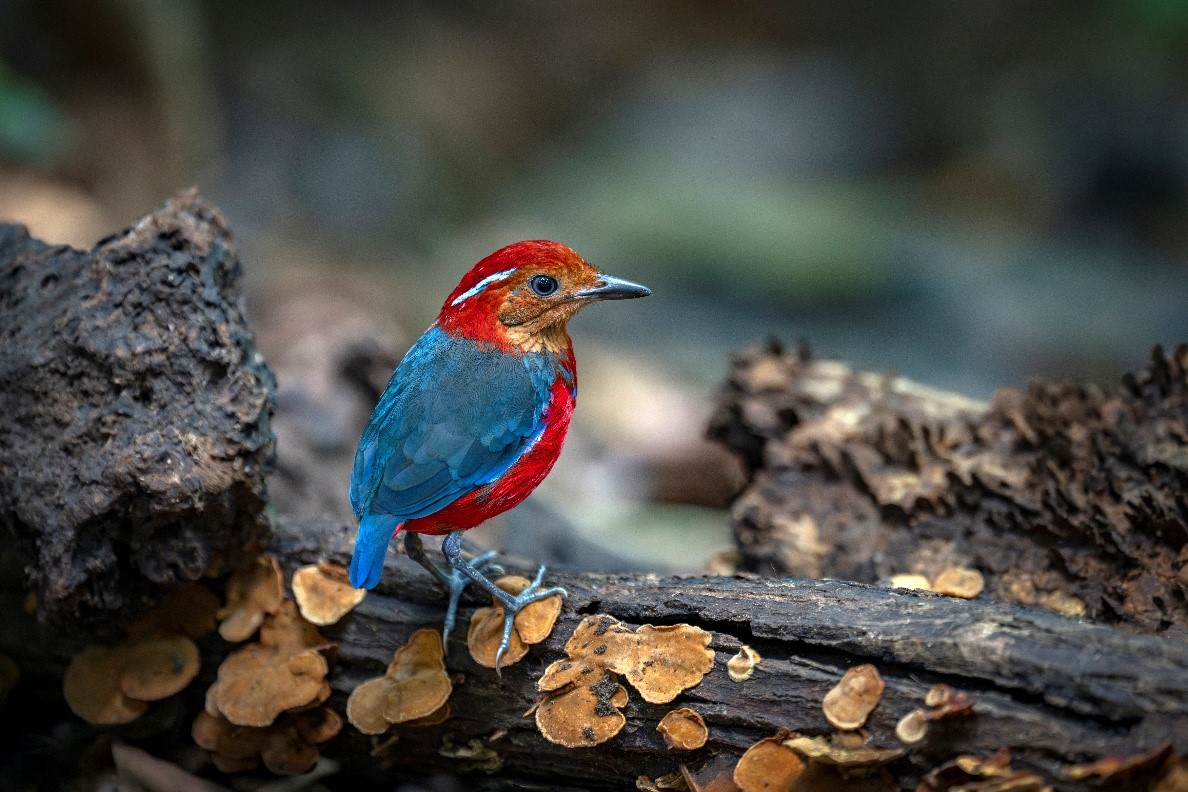 Blue-banded pitta
Alpha α1 | SEL600F40GM | 600mm | F4.0 | 1/100s | ISO 3200
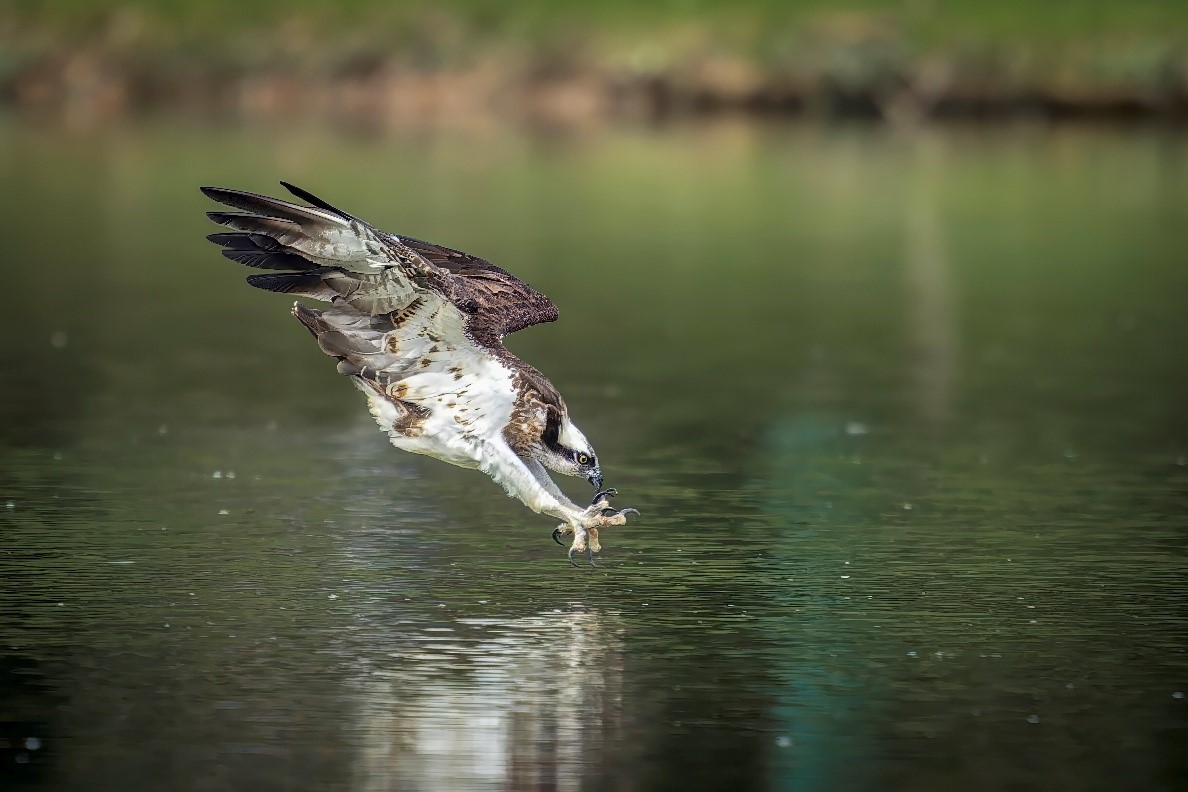
Osprey
Alpha α1ll | SEL300F28GM + SEL20TC | 600mm | F5.6 | 1/2500s | ISO 1600