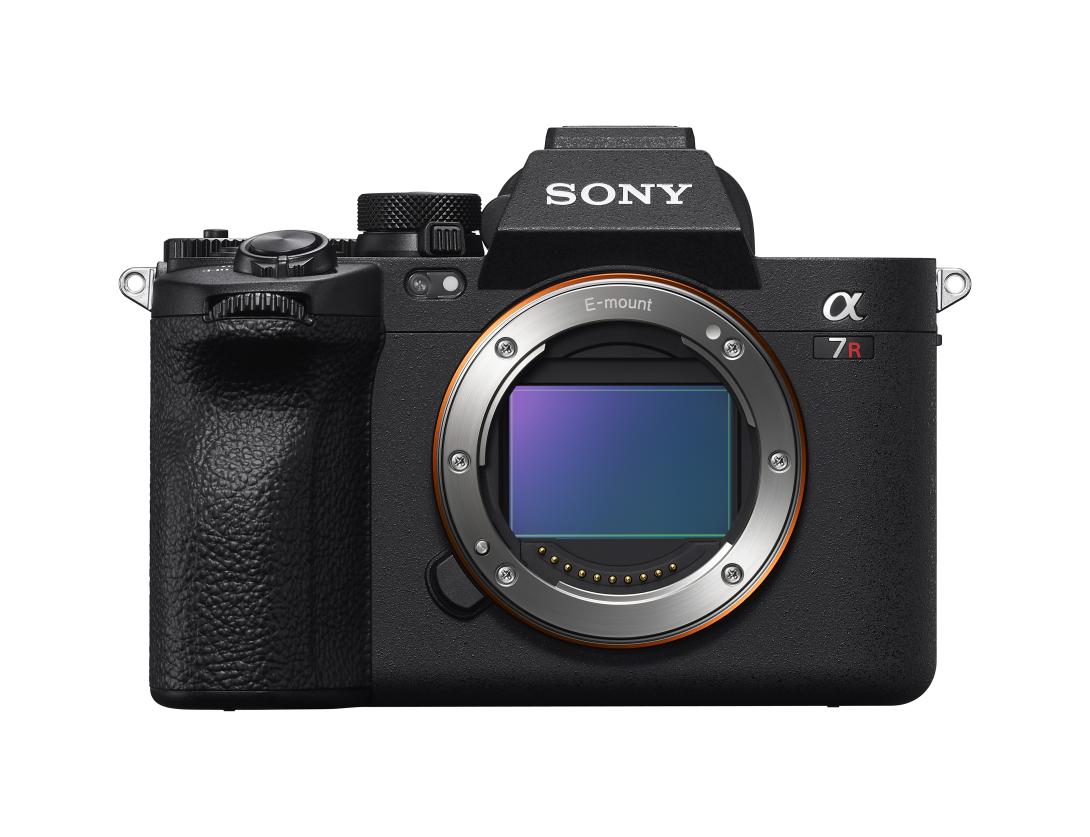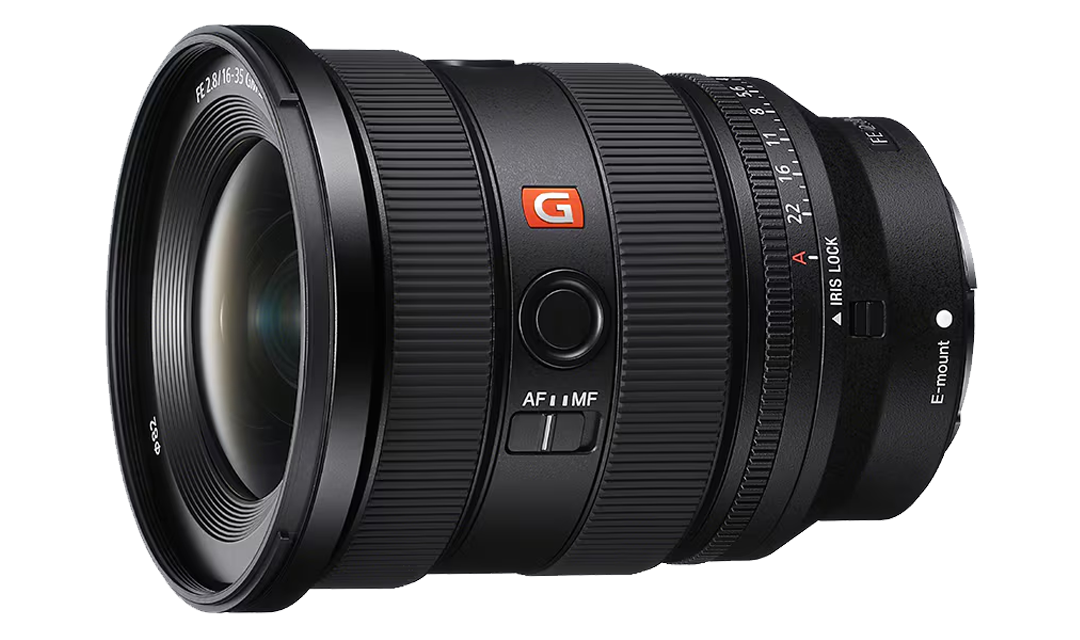



Why the SONY A7R V + FE 16–35mm f/2.8 GM II Is My Go-To Combination
As a travel and landscape photographer, I have been shooting with various Sony Alpha gears to capture my photos across different environments and lighting conditions.
Over time, one combination has consistently stood out for me: the Sony Alpha 7R V paired with the Sony FE 16–35mm f/2.8 GM II lens. This setup gives me the confidence and flexibility to handle a wide range of landscape situations, from challenging weather to complex lighting scenarios. Let me break down why this combination works so well, starting with the camera.
SONY A7R V — Key Landscape Benefits
High Megapixel (61MP): Exceptional Fine Detail
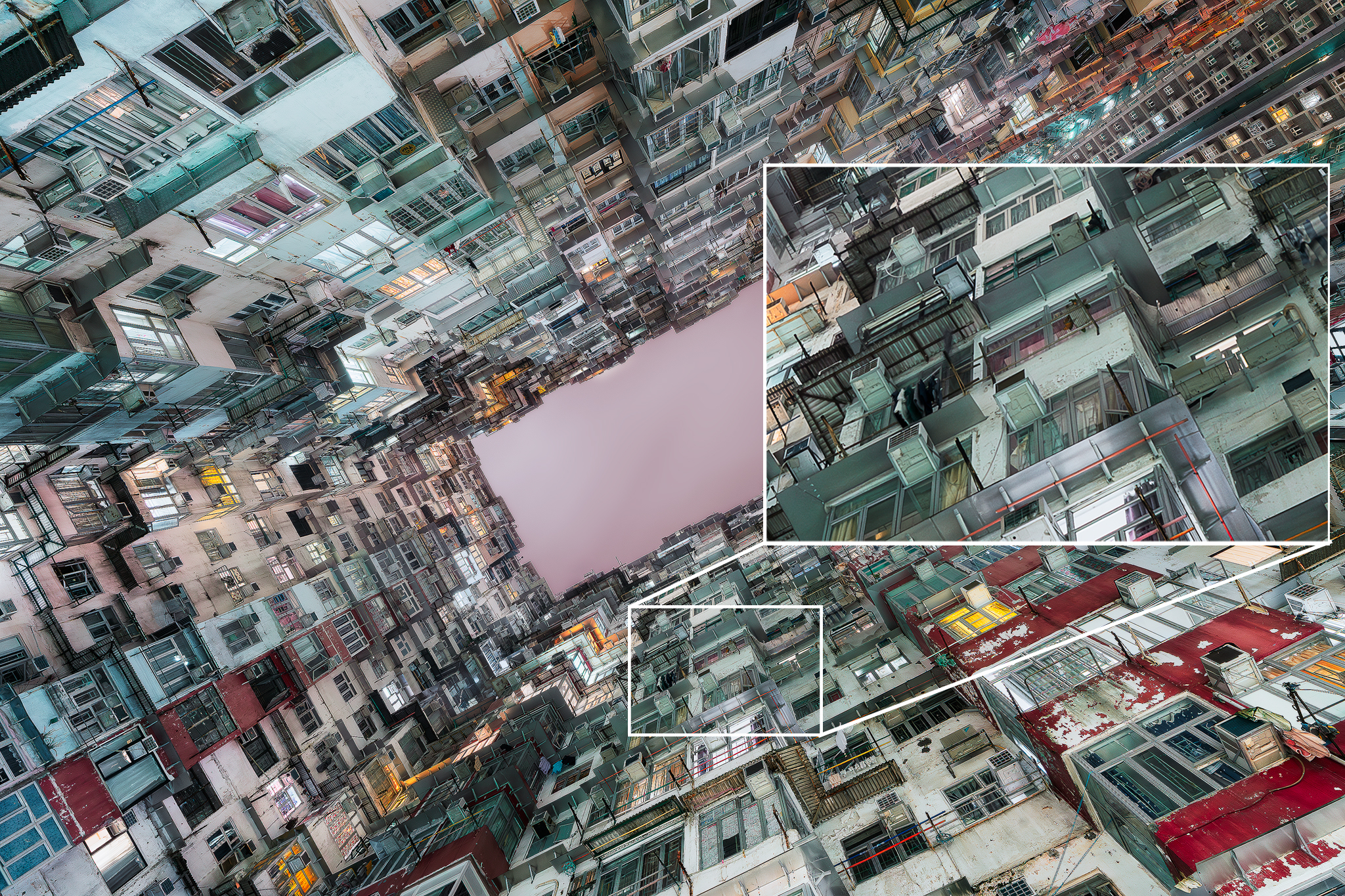
The 61-megapixel sensor on the Alpha 7R V captures an incredible level of fine details, which is especially valuable for landscape photography. Whether you are shooting a dense city skyline, layered mountain ranges, or intricate textures in rocks and foliage, the resolution preserves micro-details that lower-resolution cameras simply cannot.
This becomes even more apparent when printing large. Fine textures remain crisp, details hold together beautifully, and the image retains depth and clarity even when viewed up close. It also gives additional flexibility for cropping during post-processing, without sacrificing image quality.
High Dynamic Range: Strong Highlight & Shadow Recovery
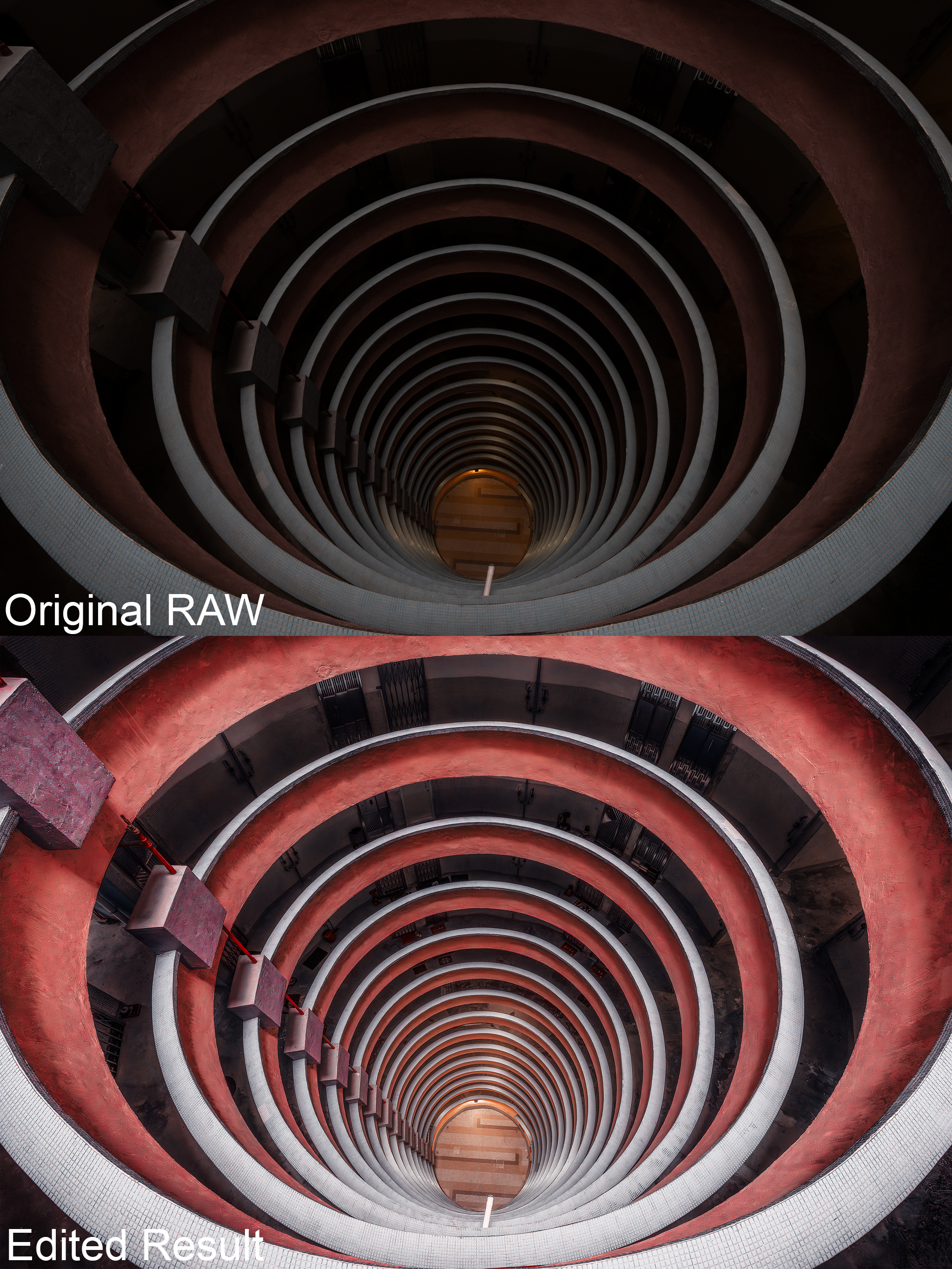
Landscape scenes often involve extreme contrast—bright skies paired with dark foregrounds, or sunrise and sunset light pushing sensors to their limits. The Alpha 7R V’s dynamic range allows me to retain highlight details while preserving shadow information, even in challenging lighting conditions.
In post-processing, this translates into smoother tonal transitions and more forgiving files. I can confidently recover shadow details or tame highlights without introducing excessive noise, which is crucial for producing clean, natural-looking landscape images.
Weather Resistance: Built for Real Outdoor Conditions
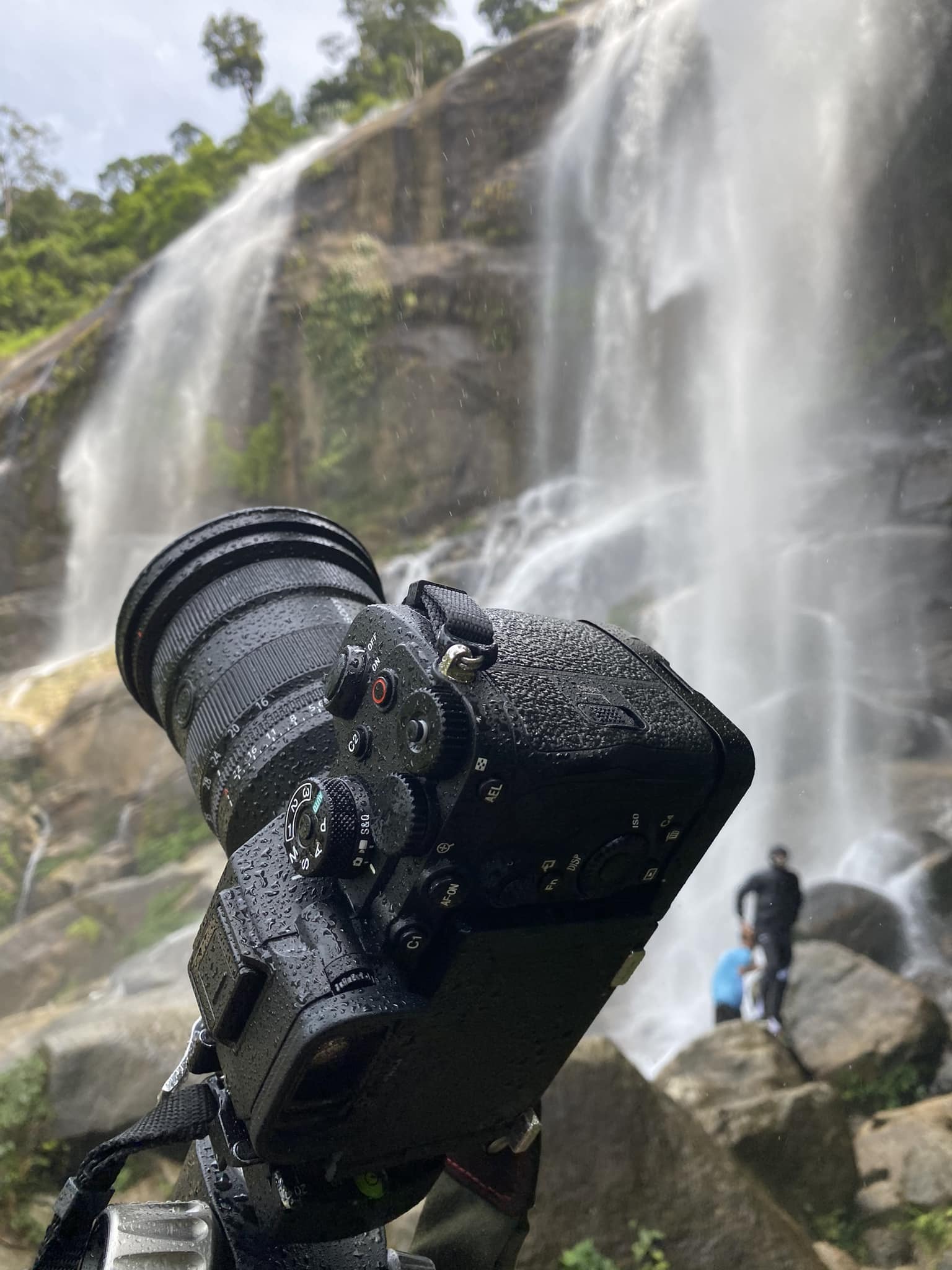
There are many occasions where landscape photography means dealing with less-than-ideal weather—light rain, persistent drizzle, water splashes from waves or waterfalls, and even cold environments with sub-zero temperatures.
While no camera is completely waterproof, the Alpha 7R V’s weather-resistant design gives me the confidence to keep shooting in harsh conditions. When dealing with direct water splashes from waterfalls or persistent drizzle, I still take precautions—but the camera is robust enough to handle these environments, allowing me to push through difficult conditions and come away with the shots I set out to capture.
SONY FE 16–35mm f/2.8 GM II — Key Landscape Benefits
Edge-to-Edge Sharpness, Optimised for 61MP Sensors
A camera is only as good as the lens in front of it. Pairing the 61-megapixel Alpha 7R V with the FE 16–35mm f/2.8 GM II allows the sensor to fully shine. This lens delivers outstanding edge-to-edge sharpness, along with crisp fine details across the entire frame.
It is clearly designed to resolve modern high-resolution sensors, making it an excellent match for the A7R V—especially for landscape and architectural photography, where corner sharpness and consistency are critical.
Lightweight Zoom Lens: Ideal for Travel & Filter Use
Despite its constant f/2.8 aperture, the 16–35mm GM II is noticeably lighter than its predecessor, weighing 547g compared to 680g. This makes it one of the smallest and lightest f/2.8 ultra-wide zoom lenses in its class.
While a 133g weight reduction may not sound significant on paper, it makes a real difference in the field—especially during long walks, hikes, or full-day shooting sessions. Every bit of weight saved helps reduce fatigue when carrying gear for extended periods.

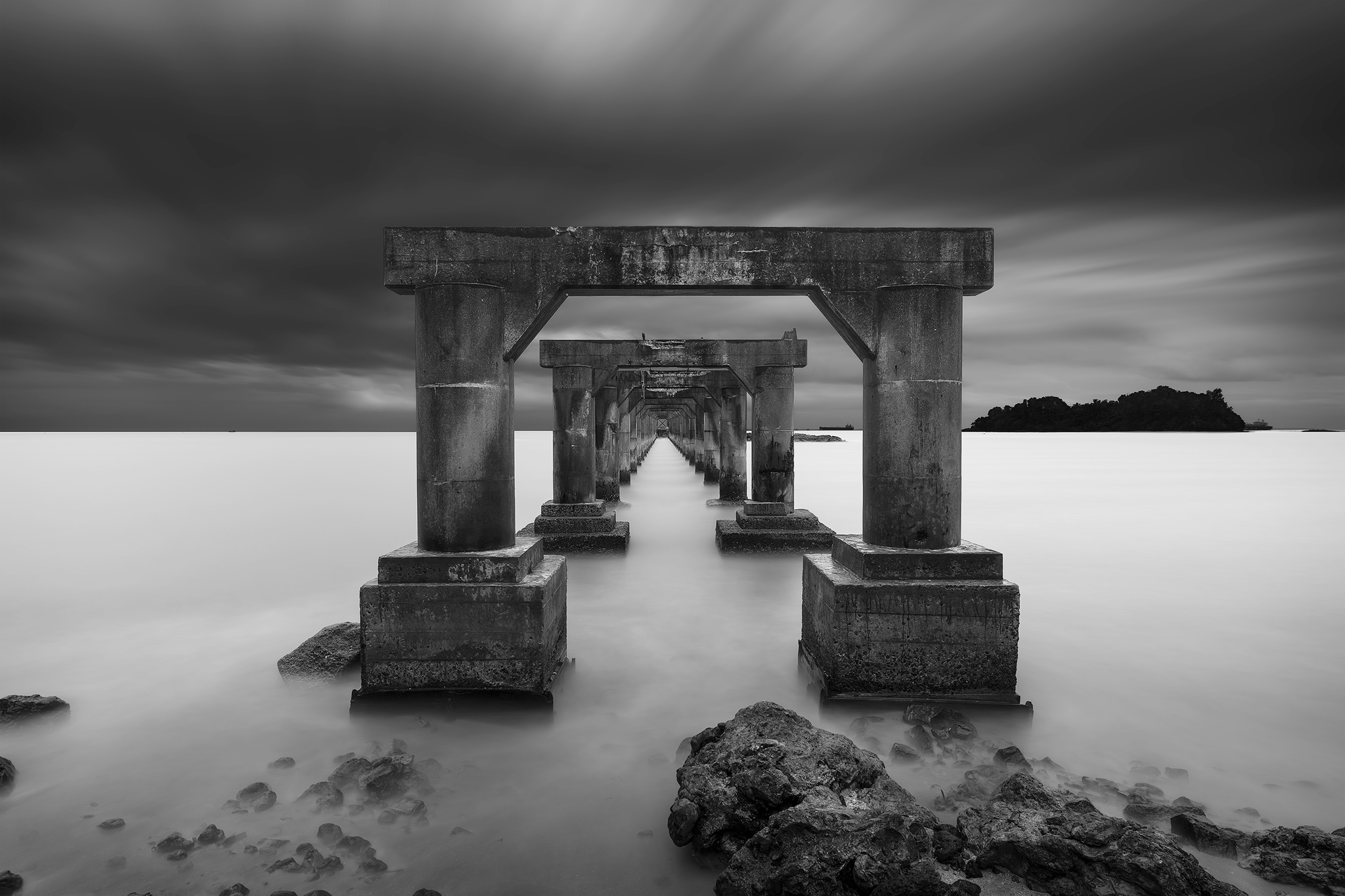
Another practical advantage is the ability to use standard 82mm front filters. Unlike some ultra-wide lenses with protruding front elements, this lens allows easy use of ND filters. This is extremely useful for long-exposure photography, such as daytime architectural shots, light trails, waterfall, or artistic black-and-white images.
f/2.8 Aperture: Capable for Nightscape & Milky Way Photography
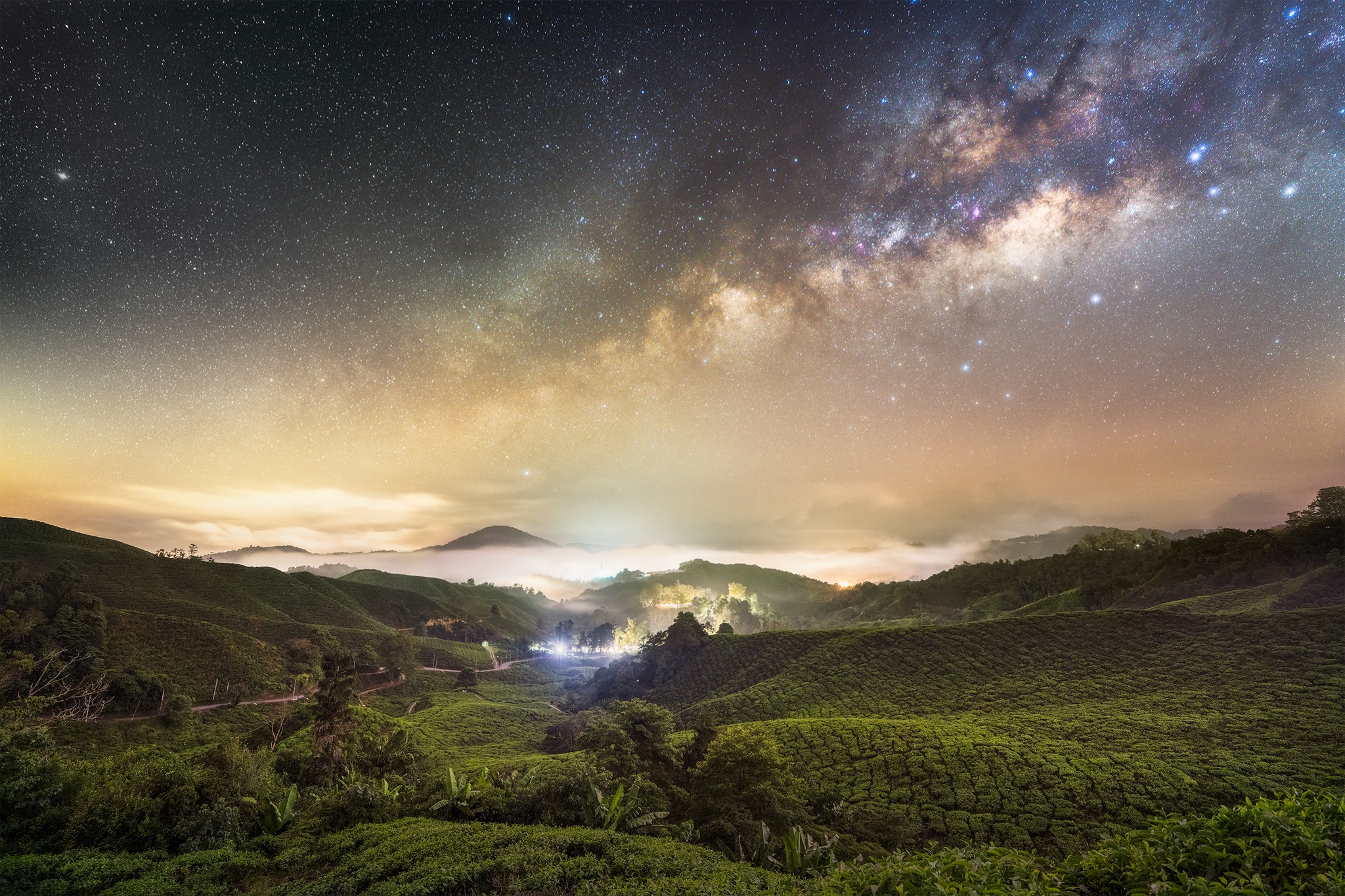
With its ultra-wide focal range and constant f/2.8 aperture, this lens is not only excellent for daytime landscapes but also highly capable for nightscape and Milky Way photography.
The wide aperture allows more light to reach the sensor in dark environments, helping to keep ISO values lower and minimise noise. The result is cleaner, more detailed images of the night sky, making this lens a versatile choice for photographers who enjoy shooting both landscapes and astrophotography.
Final Thoughts
If I had to choose just one camera and one lens for a photography trip, the Sony Alpha 7R V and FE 16–35mm f/2.8 GM II would be my no-brainer choice.
This combination allows me to move seamlessly from sunrise and sunset landscapes to daytime long-exposure architectural cityscapes, waterfalls, and even night sky photography—all with a single, reliable setup. The high-resolution sensor of the Alpha 7R V delivers exceptional image quality and flexibility, while the lightweight yet optically outstanding 16–35mm GM II removes unnecessary limitations in the field.
Ultimately, great landscape photography is still about light, composition, and patience—but having the right tools allows you to focus fully on the creative process and execute your vision with confidence.