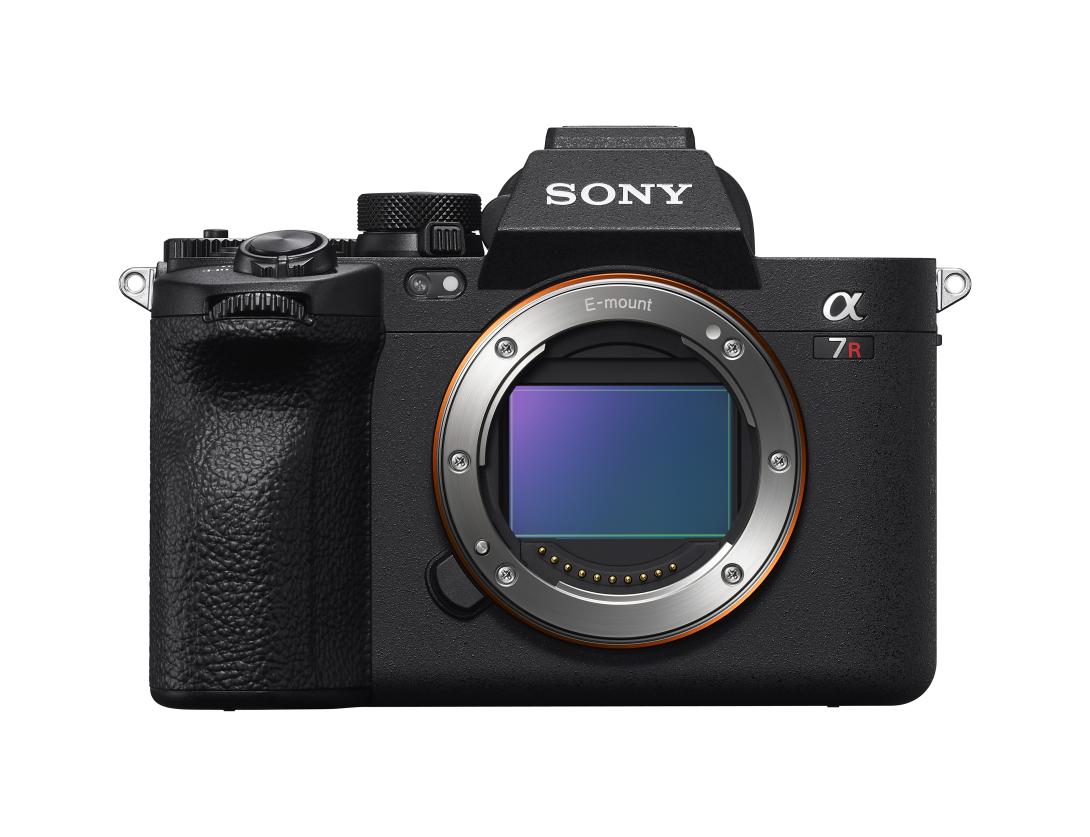



Experiencing High Resolution in Landscape Photography with the Sony Alpha 7R V
I still remember the moment I made the switch from the Sony Alpha 7 IV to the Sony Alpha 7R V. The very first thing that stood out was the level of detail this camera is capable of capturing.
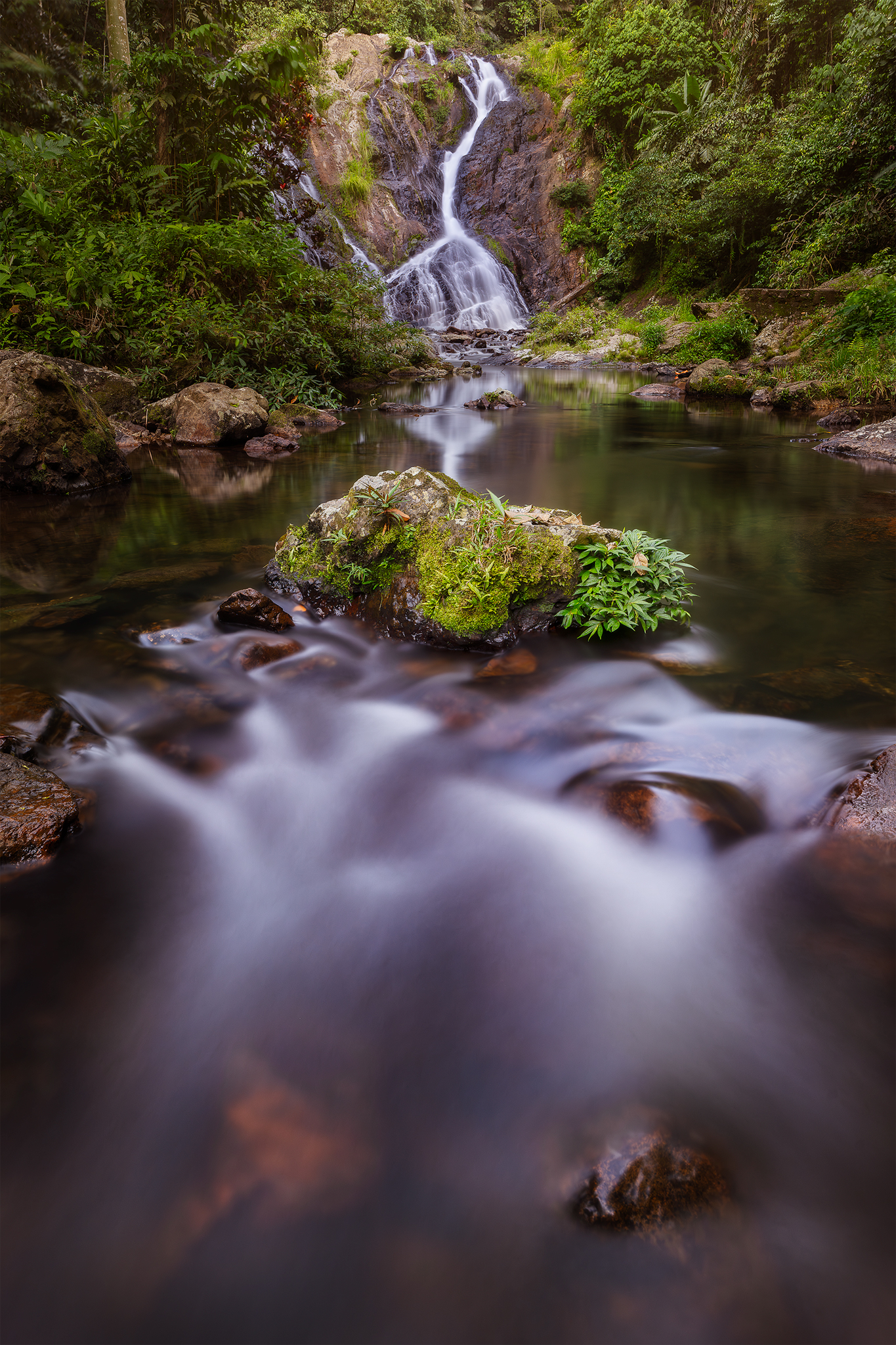
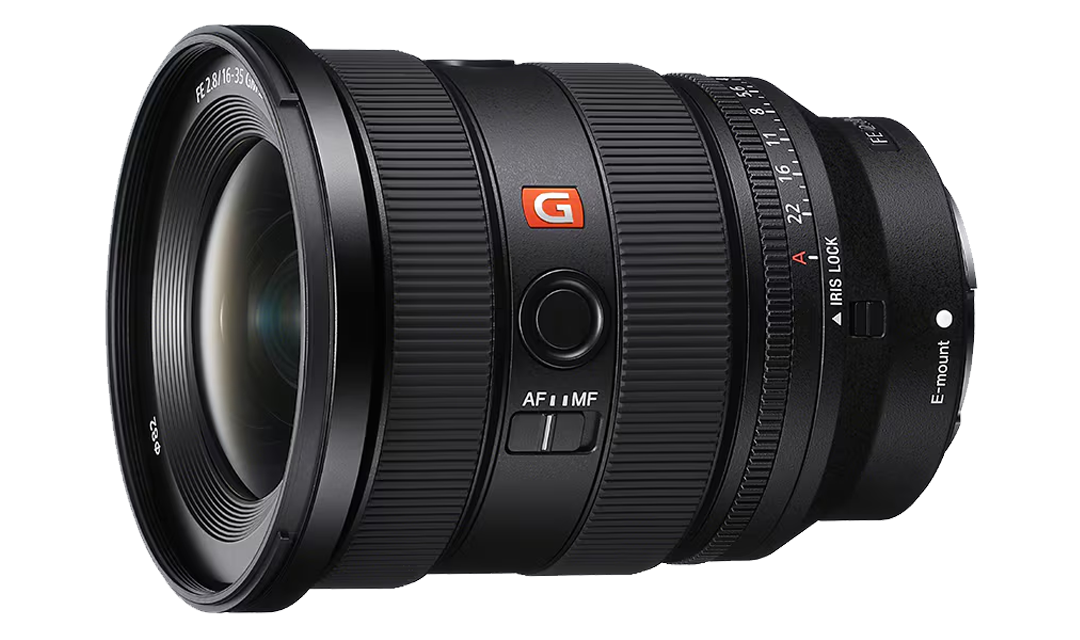
Moving from a 24-megapixel sensor to a 61-megapixel sensor is a significant leap in resolution. That increase becomes even more apparent when the camera is paired with a high-quality lens such as the Sony FE 16–35mm f/2.8 GM II. The optical sharpness delivered by the lens, combined with the sheer amount of fine detail recorded by the Alpha 7R V’s high-resolution sensor, results in images that feel exceptionally crisp and refined.
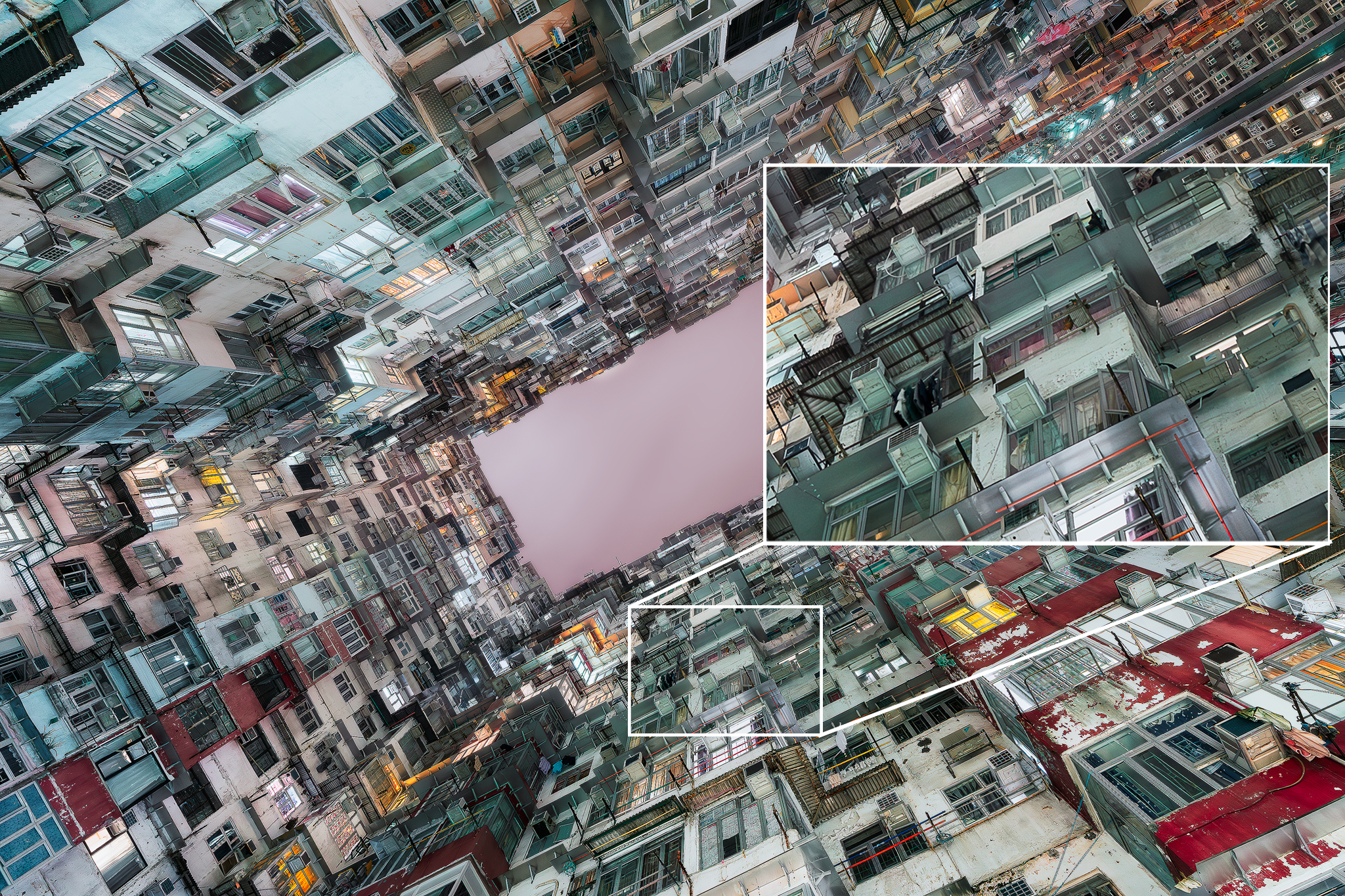
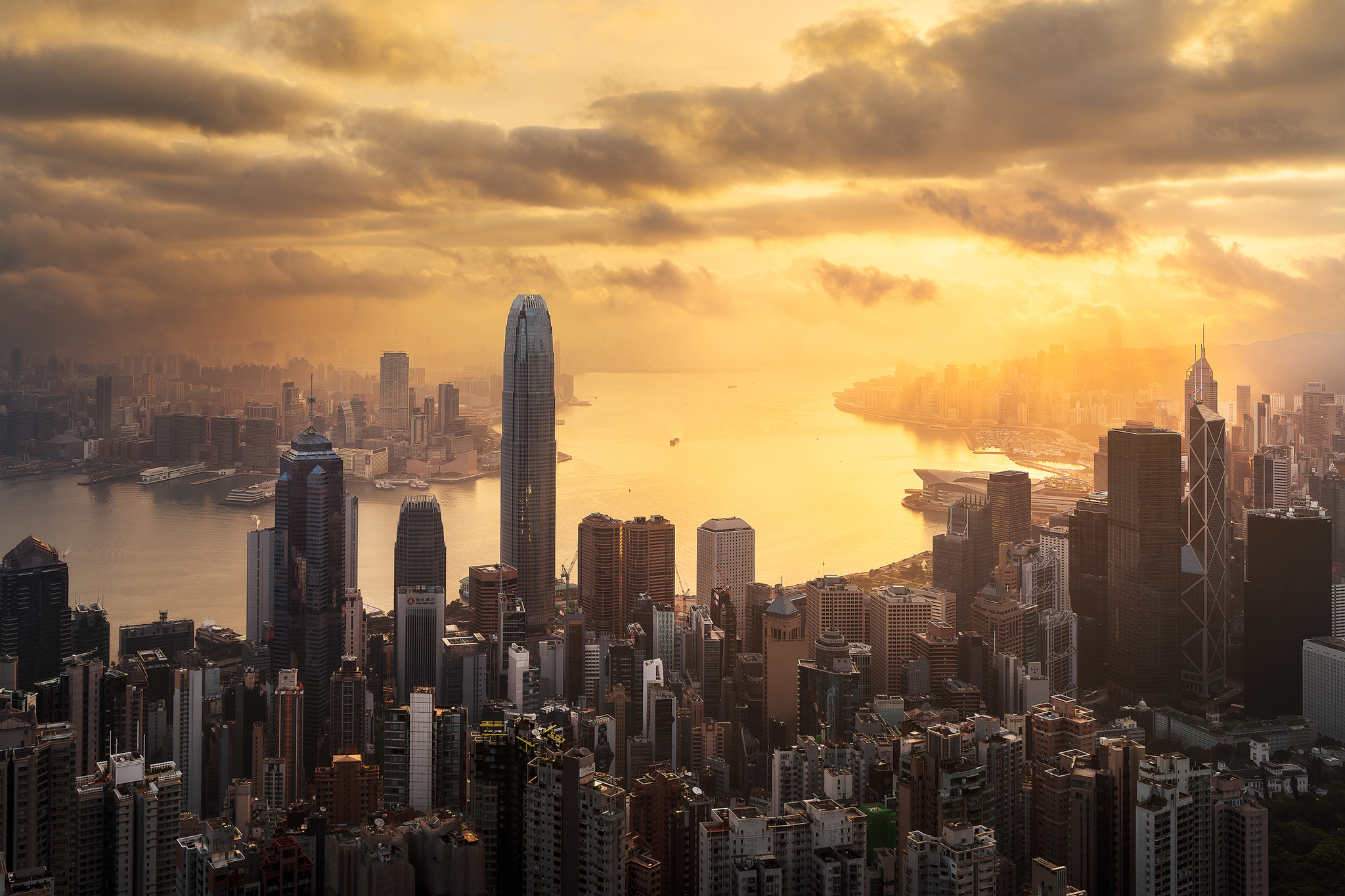
Sony’s G Master lenses are designed to resolve the demands of high-resolution sensors, and when used on the Alpha 7R V, they allow the camera to fully express the textures, edges, and micro-details within a scene. This is especially noticeable when photographing complex subjects such as city skylines, where fine architectural details, distant buildings, and layered elements all coexist within a single frame.
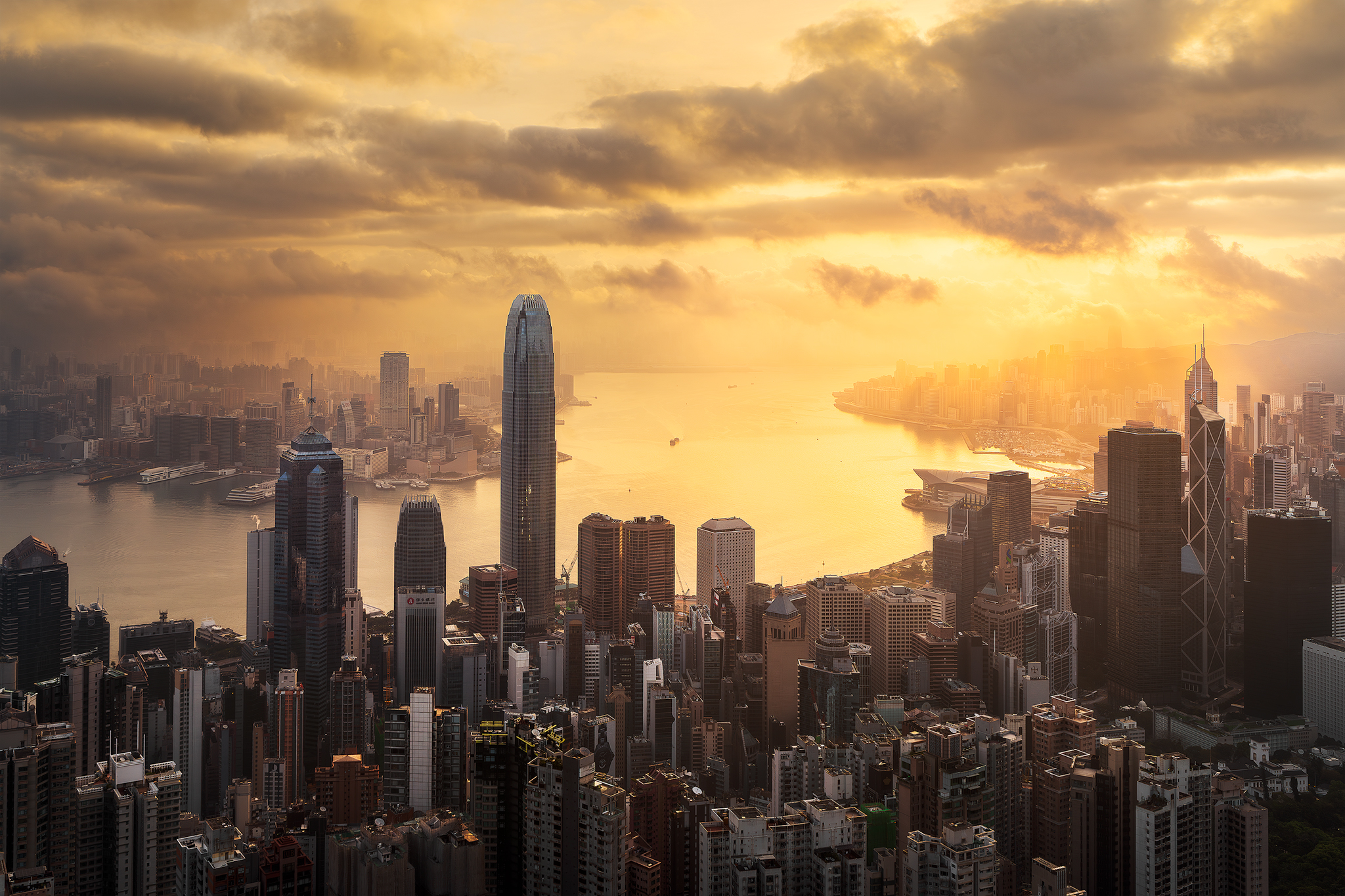
Freedom to Refine Composition Through Cropping
Beyond the ability to capture exceptional detail, a high-megapixel camera also offers greater flexibility when refining composition in post-processing.
That said, cropping should never replace good shooting discipline. I always encourage photographers to zoom in, move their position, and compose carefully in-camera to make full use of a high-resolution sensor. Getting the composition right at the time of capture remains the most important step.
However, there are practical situations where cropping becomes not only useful, but necessary. One common example is correcting vertical distortion when photographing cityscapes. When the camera is tilted upward to include tall buildings, perspective distortion can cause vertical lines to converge. Correcting this in post-processing often introduces blank areas around the edges of the frame, which then need to be cropped out.
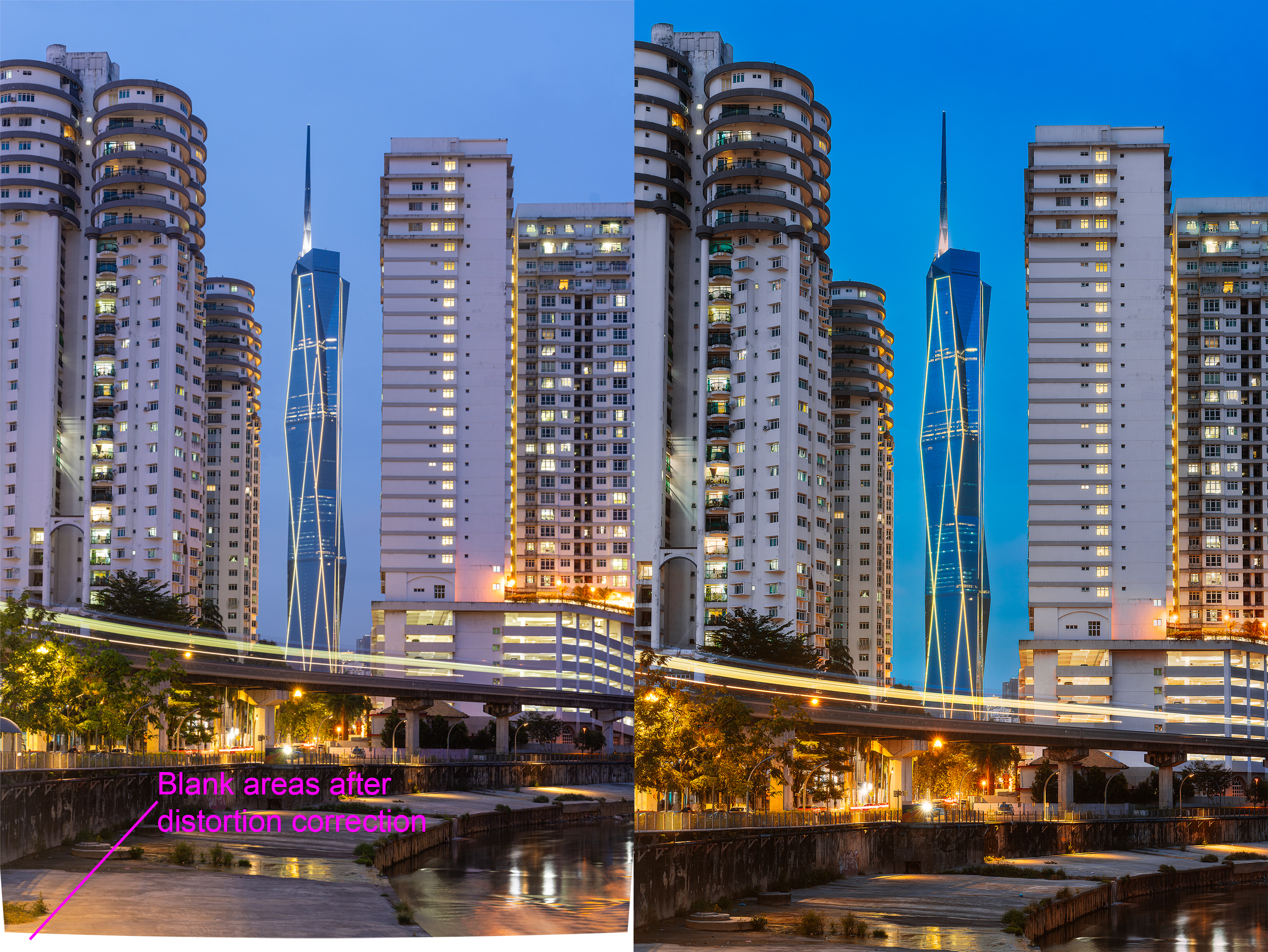
Useful Tip: Compose your shot slightly wider to allow room for cropping after distortion correction, so it doesn’t affect your final composition.
With a 61-megapixel file, this correction can be made with minimal impact on overall image quality. The high resolution allows you to straighten architectural lines while still retaining a strong level of detail across the final image — an important consideration for cityscape and architectural landscape photography.
Superior Output Quality for Large Prints
High resolution truly comes into its own when images are printed at large sizes.
The level of detail captured by the Alpha 7R V allows landscape images to be printed big while maintaining clarity and sharpness, even when viewed up close. Fine textures remain well defined, and tonal transitions appear smooth and natural, rather than soft or pixelated.
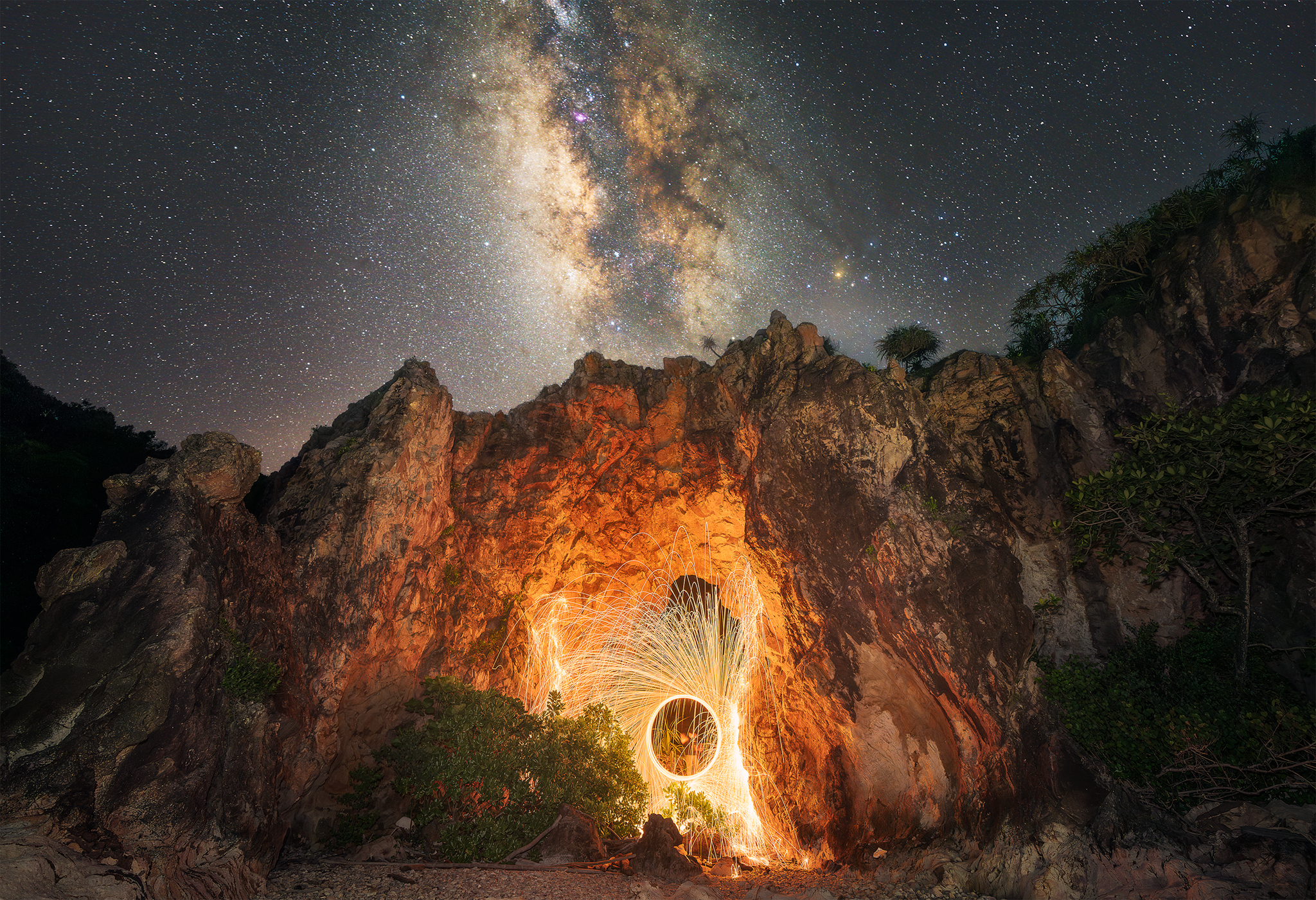
For photographers who produce gallery prints, photo books, or exhibition work, high resolution is not just a technical specification on paper — it is a practical advantage that directly affects how the final image is experienced by the audience.
Final Thoughts
High megapixels alone do not automatically create great landscape photographs. Light, composition, technique, and lens quality remain just as important. However, when those elements come together, a high-resolution camera like the Sony Alpha 7R V provides the ability to capture scenes with remarkable detail, flexibility, and output quality.
For landscape and cityscape photographers who value detail, precision, and print-ready files, the Alpha 7R V offers a compelling tool that supports both creative intent and technical excellence.