





About This Course

The technical craft behind Sony's Cinema Line — the settings, levels and workflows that decide how your footage looks long before it reaches the grade.


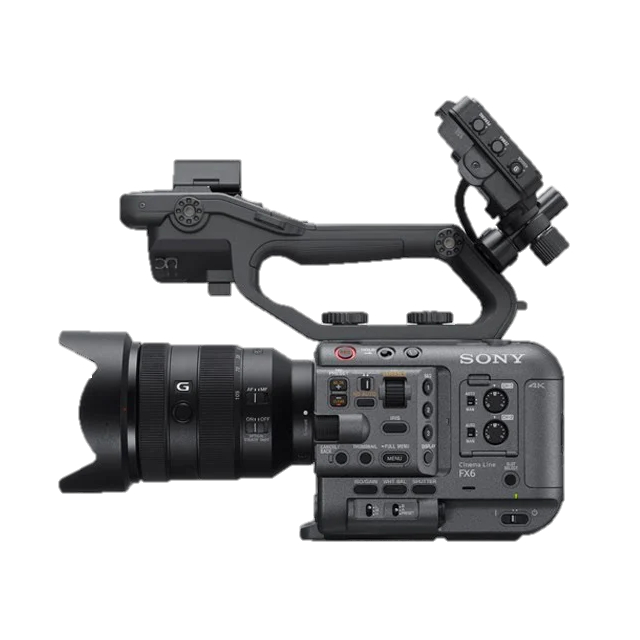
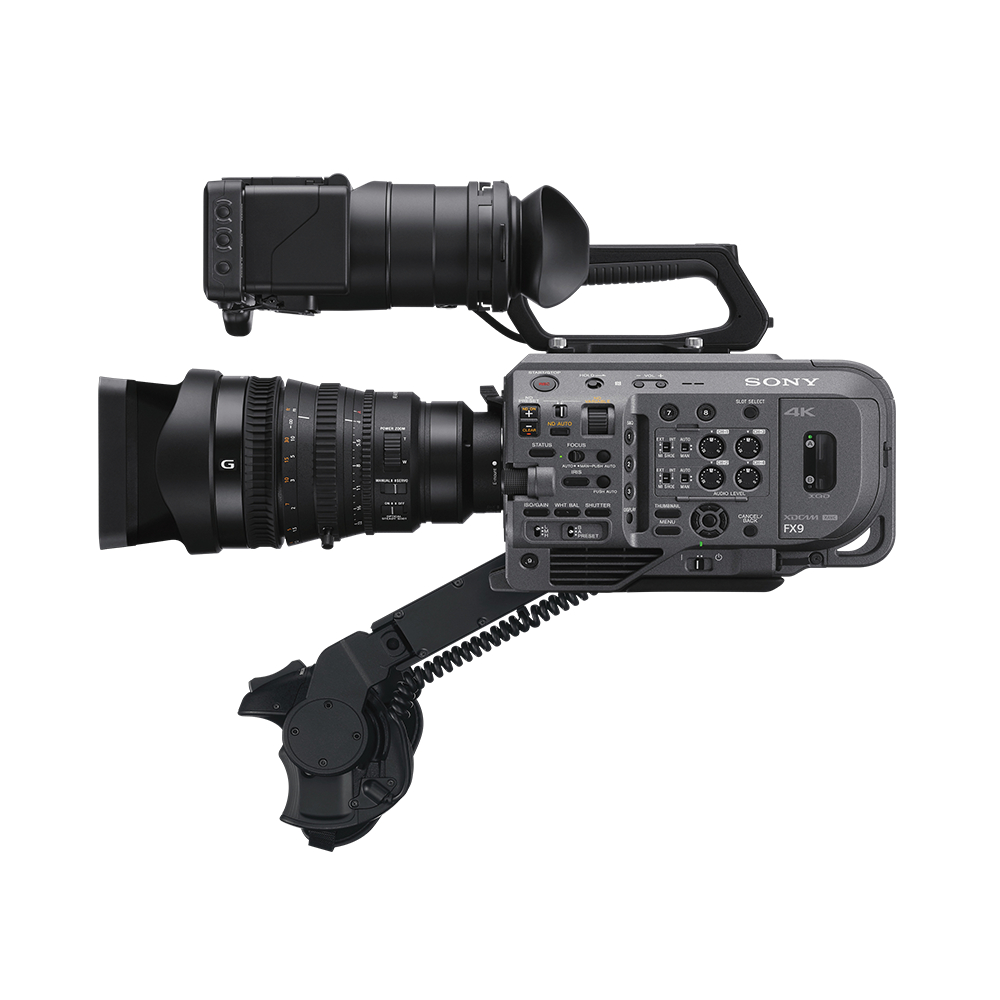
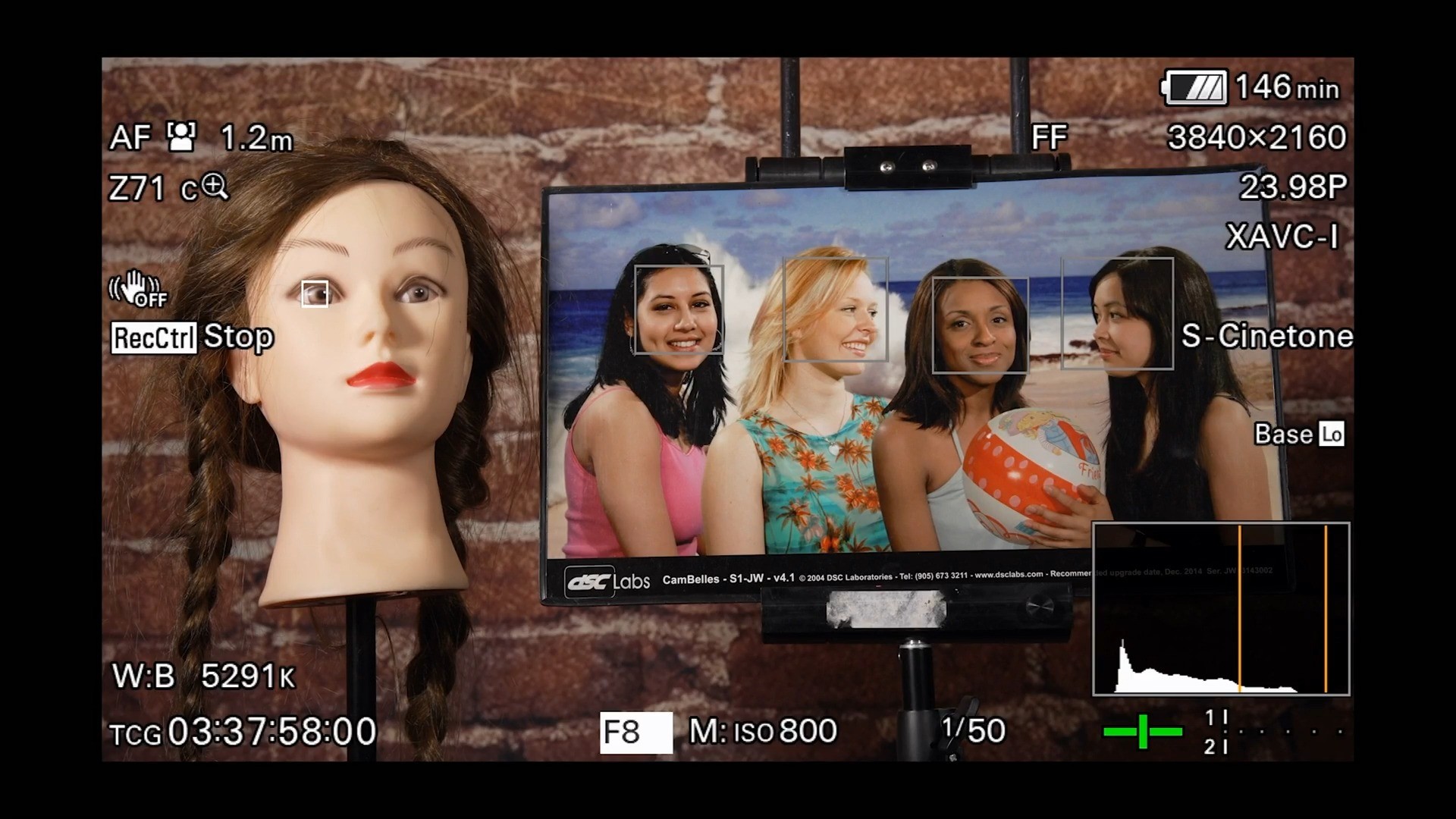
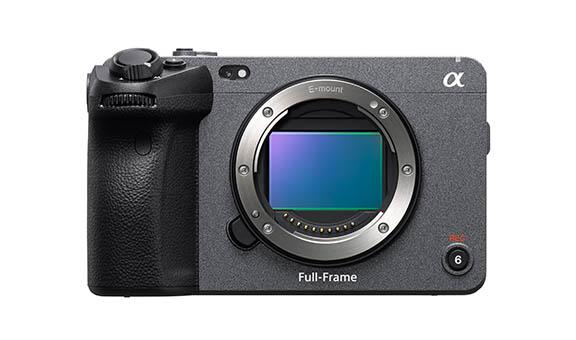
Alister Chapman works through the FX9, FX6, FX3 and A7S III in the order you'd actually meet these decisions on a shoot. You start with exposure: reading zebras, the histogram and the waveform, and the reference levels to work to for a grey card, white card and skin tones across different gammas and LUTs. From there you set up the recording itself — full frame, Super 35 and 4K DCI scan modes, the real trade-offs between intra-frame XAVC I and the long-GOP codecs, and how to pick media that won't let you down. Then time becomes the variable, using S&Q motion and interval recording to calculate slow-motion factors and build timelapse sequences.


The focus then shifts to look and finish. S-Cinetone is explained from the ground up — the Venice-derived colour science behind it, and how a small shift in exposure becomes a creative contrast control. Stabilisation covers optical SteadyShot, in-body IS and Sony's metadata-based workflow in Catalyst Browse. It all comes together in Cine EI on the FX6: outputting a LUT to the viewfinder, exposing S-Log3 with confidence, and using EI offsets to trade highlight headroom for cleaner shadows. By the end you'll be making these choices deliberately, with numbers you can trust, rather than fixing them later.

Masterclass Series | Filmmaking with Alister Chapman

Test your knowledge

1 - When shooting S-Log3 on the FX6 in Cine EI with no LUT on the SDI/HDMI output, what level should a white card be exposed at?


2 - Which codec will be easiest to work with?


3 - You're shooting S&Q at 120fps with a recording frame rate of 23.98fps. How much slow motion do you get?


4 - As a starting point, roughly what level should typical skin tones be exposed at when shooting S-Cinetone?


5 - You want to stabilise your footage in post using Catalyst Browse. What must you do when shooting?


Instructor

Alison has worked in film and television for over 30 years. His career began developing in-car cameras for motorsports and other specialist applications before moving into documentary and short film production, creating programmes on severe storms, volcanoes and the Northern Lights for National Geographic, the BBC and others. Today, Alison works across a wide range of genres, from feature films to documentaries. He has experience in virtual production, aerial filming, stereoscopic and immersive production, and is a qualified Rope Access technician. He also runs XDCAM-USER.com, sharing technical advice and filmmaking education worldwide.

Alister Chapman

Alister Chapman

Sony Alpha Professional


Featured Gear

Product Features

FX3

Full-frame 4K Sensor in an Ultra-Compact Body

Product Features

FX6

FX6 Cinema Line Full-frame camera

Product Features

FX9

Full-frame 6K sensor camera